
If you want to build strong, defined traps, using dumbbells can be a game-changer. But are you sure you’re working them the right way?
Many people struggle to target their traps effectively, wasting time and effort. You’ll discover simple, proven techniques to activate your traps with dumbbells. By the end, you’ll know exactly how to get the results you want—stronger, more sculpted traps that stand out.
Ready to take your training to the next level? Keep reading.
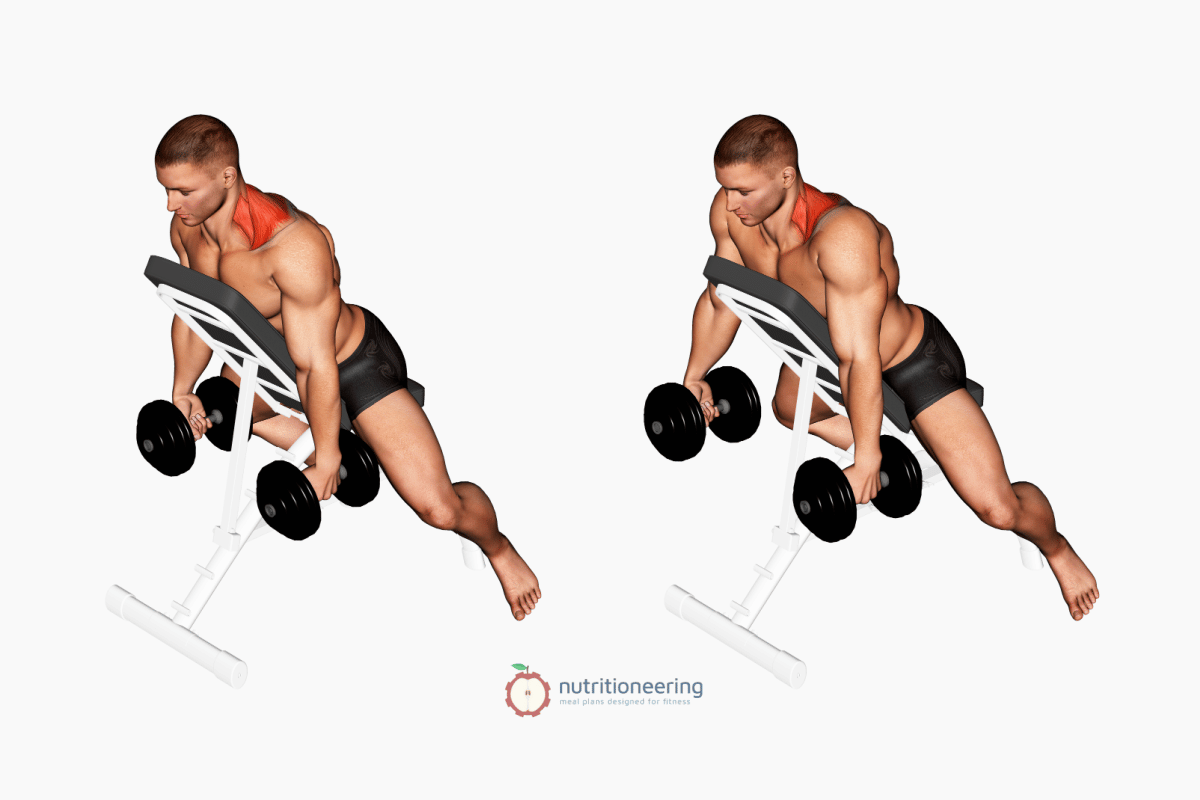
Credit: www.bodybuildingmealplan.com
Trap Muscles And Dumbbell Benefits
Working out with dumbbells can improve your trap muscles. The trapezius, or trap muscles, are vital for upper body strength. Dumbbells are versatile tools that help in targeting these muscles effectively.
Understanding the anatomy of the trap muscles and the advantages of dumbbell training is key. This knowledge will help you in maximizing your workout results.
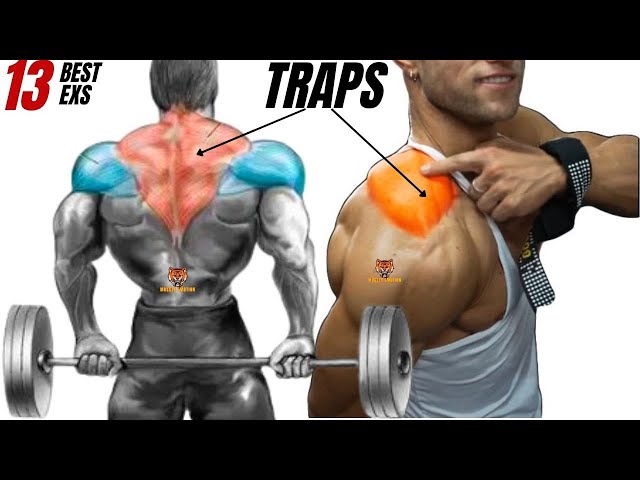
Trap Muscle Anatomy
The trapezius muscles are large muscles located in the upper back. They are shaped like a trapezoid and span the neck, shoulders, and upper back. These muscles are essential for moving the neck and shoulders.
Trap muscles are divided into three parts: upper, middle, and lower traps. Each part has a different role and movement. The upper traps help in shrugging the shoulders. The middle traps assist in pulling the shoulder blades together. The lower traps help in moving the shoulder blades down.
- Upper Traps: Located near the neck
- Middle Traps: Found in the middle of the upper back
- Lower Traps: Positioned at the bottom of the trapezius
Advantages Of Dumbbell Training
Dumbbells are excellent tools for trap muscle exercises. They offer a range of motion that barbells or machines cannot provide. This helps in engaging the muscles more effectively.
Using dumbbells can improve your balance and coordination. They require both sides of the body to work equally. This helps in correcting muscle imbalances and building strength.
- Improved range of motion
- Better muscle engagement
- Enhanced balance and coordination
- Corrects muscle imbalances
Credit: www.youtube.com
Essential Dumbbell Exercises
Working your traps with dumbbells is a great way to build strength. Dumbbells help you move naturally and target muscles well.
Below are key dumbbell exercises to strengthen your traps. They are simple and effective for all skill levels.
Dumbbell Shrugs
Dumbbell shrugs focus on the upper traps. Hold a dumbbell in each hand and stand straight. Lift your shoulders up toward your ears.
Pause at the top, then slowly lower your shoulders. Keep your arms straight and avoid rolling your shoulders.
- Stand with feet shoulder-width apart
- Hold dumbbells at your sides
- Lift shoulders up and squeeze traps
- Hold for 1-2 seconds
- Lower shoulders back down
Upright Rows
Upright rows work your traps and shoulders. Hold dumbbells in front of you with palms facing your body. Pull the dumbbells straight up close to your chest.
Keep your elbows higher than your hands. Lower the weights slowly to the start position. Keep your back straight throughout.
- Stand tall with dumbbells in each hand
- Pull dumbbells up toward your chin
- Keep elbows above wrists
- Lower dumbbells slowly
- Repeat with control
Farmer’s Walk
The farmer’s walk strengthens traps and grip. Pick up heavy dumbbells and hold them at your sides. Walk forward keeping your back straight and shoulders down.
This exercise improves trap endurance and posture. Walk for a set distance or time. Keep your core tight and breathe steadily.
- Hold dumbbells firmly at your sides
- Stand tall with shoulders back
- Walk in a straight line
- Keep your core tight
- Breathe evenly while walking
Reverse Flys
Reverse flys target the middle traps and upper back. Bend at the hips, keeping your back flat. Hold dumbbells with palms facing each other.
Lift your arms out to the sides until they are level with your shoulders. Pause briefly, then lower slowly. Do not use momentum.
- Stand with feet hip-width apart
- Bend forward at the hips
- Hold dumbbells with palms facing in
- Raise arms to the sides
- Lower arms slowly and repeat
Proper Form And Technique
Working your traps with dumbbells needs the right form. Proper technique helps you avoid injuries.
Using dumbbells allows a good range of motion for effective trap exercises.
Posture Tips
Stand or sit with a straight back. Keep your shoulders relaxed but not slouched.
Keep your neck neutral. Avoid leaning forward or backward during the movement.
- Stand with feet shoulder-width apart
- Keep your chest up and shoulders back
- Engage your core for stability
- Keep your head aligned with your spine
Breathing And Movement
Inhale before you lift the dumbbells. Exhale slowly as you raise them.
Move the weights in a controlled way. Avoid using momentum to lift.
- Breathe in deeply before starting
- Exhale while contracting your traps
- Lift dumbbells slowly and smoothly
- Lower weights with control
Common Mistakes To Avoid
Do not shrug your shoulders too quickly. It can cause strain and reduce trap activation.
Avoid leaning forward or backward. This shifts the work away from your traps.
- Using too much weight and losing control
- Allowing elbows to drop during the lift
- Holding your breath during the exercise
- Rounding your back or neck
Workout Plans For Trap Growth
Strong traps improve your posture and shoulder strength. Using dumbbells helps isolate these muscles well.
This guide shows workout plans for trap growth using dumbbells. Follow routines based on your skill level.
Beginner Routine
Start with light weights to learn form and avoid injury. Focus on slow, controlled movements.
Perform 2 sets of 12-15 reps for each exercise. Rest 60 seconds between sets.
- Dumbbell Shrugs
- Upright Rows with Dumbbells
- Reverse Flys with Dumbbells
Intermediate Routine
Increase weight and volume as strength builds. Add variety to target traps from different angles.
Complete 3 sets of 10-12 reps per exercise. Rest 45-60 seconds between sets.
- Heavy Dumbbell Shrugs
- Dumbbell Upright Rows
- Dumbbell Farmer’s Walk
- Reverse Dumbbell Flys
Advanced Routine
Use heavy dumbbells and shorter rests for intensity. Focus on muscle fatigue and control.
Perform 4 sets of 8-10 reps with 30-45 seconds rest between sets.
- Dumbbell Shrugs with Pause at Top
- Dumbbell Upright Rows with Slow Eccentric
- Dumbbell Farmer’s Walk with Heavy Load
- Incline Reverse Dumbbell Flys
Recovery And Injury Prevention
Working your traps with dumbbells requires good recovery to avoid injury. Rest and care help muscles grow strong.
Without proper recovery, you risk strains and slow progress. Learn how to protect your traps for better results.
Stretching For Traps
Stretching your traps reduces muscle tightness and improves flexibility. Do gentle stretches after your workout.
Hold each stretch for 20 to 30 seconds. Avoid bouncing or pushing too hard to prevent injury.
- Neck tilt stretch: tilt your head to one side and hold
- Shoulder rolls: roll shoulders forward and backward slowly
- Cross-body arm stretch: pull one arm across your chest gently
Rest And Nutrition
Rest days are important for trap muscle repair. Give your body time to heal between workouts.
Eat foods rich in protein and vitamins. These help rebuild muscles and reduce soreness.
- Sleep 7 to 9 hours each night
- Eat lean meats, eggs, and beans
- Drink plenty of water to stay hydrated
Signs Of Overtraining
Overtraining traps can cause pain, weakness, and tiredness. Watch for these signs to avoid injury.
If you feel constant muscle soreness or trouble lifting weights, you may need more rest.
- Persistent muscle pain or stiffness
- Lower strength during workouts
- Fatigue or trouble sleeping
- Joint pain near traps

Credit: www.youtube.com
Frequently Asked Questions
What Are The Best Dumbbell Exercises For Traps?
Shrugs, upright rows, and farmer’s walks effectively target traps. Use controlled movements and proper form for maximum results. Gradually increase weight to build trap strength safely.
How Often Should I Train Traps With Dumbbells?
Train traps 2-3 times weekly with at least one rest day. Avoid overtraining by allowing muscles to recover. Consistency ensures better muscle growth and strength.
Can Dumbbells Build Trap Muscle Effectively?
Yes, dumbbells provide excellent resistance for trap development. They allow a full range of motion and balanced muscle activation. Combine exercises for optimal trap growth.
What Is The Correct Form For Dumbbell Shrugs?
Stand straight, hold dumbbells by your sides, and lift shoulders up. Avoid rolling shoulders; keep movements vertical. Pause briefly at the top, then lower slowly.
Conclusion
Working traps with dumbbells helps build strong shoulder muscles. Start with light weights to learn the right form. Focus on slow, controlled movements for best results. Consistency matters more than lifting heavy weights fast. Add these exercises to your routine two or three times weekly.
Watch your traps grow and support better posture. Stay patient and enjoy the steady progress you make. Small steps lead to big changes over time. Keep practicing and feel stronger every day.


