

Are you looking to build strong, defined shoulders and improve your upper body strength? The military dumbbell press might be exactly what you need.
But what muscles does this powerful exercise really target? Understanding which muscles you’re working can help you get better results and avoid injury. You’ll discover the key muscles engaged during the military dumbbell press and how this move can boost your overall fitness.
Keep reading to unlock the full potential of your workouts and take your strength to the next level.
Primary Muscles Targeted
The military dumbbell press is a powerful exercise for the upper body. It mainly works the muscles around the shoulders and arms.
This exercise helps build strength and size in key muscle groups. It is great for improving shoulder stability and arm power.
Deltoids
The deltoids are the main muscles worked during the military dumbbell press. These muscles form the rounded shape of your shoulders.
All three parts of the deltoids are engaged, but the front (anterior) deltoid works the most. It helps lift the dumbbells overhead.
- Anterior deltoid (front)
- Medial deltoid (side)
- Posterior deltoid (rear)
Triceps
The triceps assist in pushing the dumbbells up during the press. These muscles are located on the back of your upper arms.
They help extend your elbows to press the weight overhead. Strong triceps improve your ability to push heavier dumbbells.
- Long head
- Lateral head
- Medial head
Upper Chest
The upper chest, or clavicular part of the pectoralis major, works slightly during the military dumbbell press. It helps with the pressing motion.
This part of the chest lifts the arms forward and up. It supports the shoulders in moving the dumbbells overhead.

Credit: www.reddit.com
Secondary Muscles Engaged
The military dumbbell press is great for shoulder strength. It also works other muscles. These secondary muscles help balance and support.
Understanding these muscles can improve your workout. Let’s look at some key muscles engaged during this exercise.
Trapezius
The trapezius is located on your upper back. It helps lift the shoulders. It also supports the neck and head. During the press, it stabilizes the shoulder blades.
Strong trapezius muscles improve posture. They also help in lifting and carrying heavy loads.
Serratus Anterior
The serratus anterior is on the side of your ribs. It helps move the shoulder blades forward. This muscle is important for overhead movements.
Working this muscle gives you better shoulder mobility. It also helps in activities like pushing and punching.
Core Stabilizers
Your core stabilizers include the abs, obliques, and lower back. These muscles help you stay balanced. They are crucial when lifting weights overhead.
Strong core stabilizers prevent injuries. They also improve overall strength and fitness.
- Engage your core for better stability
- Helps maintain proper posture
- Supports the spine during heavy lifts
Muscle Activation Benefits
The military dumbbell press targets several upper body muscles. It helps build strength and muscle control. This exercise uses dumbbells pressed overhead while standing or seated.
This movement activates muscles in the shoulders, arms, and upper back. It improves muscle tone and supports better body alignment.
Shoulder Strength
The military dumbbell press mainly works the deltoid muscles in your shoulders. These muscles help lift and rotate your arms. Strong shoulders improve your ability to push and carry objects.
This exercise also engages the trapezius and rotator cuff muscles. They stabilize the shoulder joint during the press. This reduces injury risk and boosts overall shoulder power.
- Deltoids (front, middle, rear)
- Trapezius
- Rotator cuff muscles
Arm Definition
The military dumbbell press activates the triceps on the back of your arms. These muscles help straighten your elbows when pressing the weights up. Strong triceps make your arms look more defined.
This exercise also uses the biceps and forearm muscles for stability. This balanced activation improves arm shape and strength.
- Triceps brachii
- Biceps brachii
- Forearm stabilizers
Posture Improvement
The military dumbbell press strengthens muscles that support good posture. The upper back and shoulder stabilizers keep your spine aligned. This helps reduce slouching and shoulder rounding.
Regular practice of this exercise promotes a strong and upright posture. It also improves balance and body control during daily activities.
- Upper trapezius
- Rhomboids
- Shoulder stabilizers
Proper Form For Maximum Muscle Engagement
The military dumbbell press targets several upper body muscles. Using proper form helps you work these muscles well.
Good technique lowers injury risk and improves strength gains. Focus on your body position and movement control.
Starting Position
Stand with feet shoulder-width apart to keep balance. Hold a dumbbell in each hand at shoulder height.
Keep your palms facing forward and elbows close to your body. Tighten your core to support your spine.
- Feet shoulder-width apart
- Dumbbells at shoulder height
- Palms facing forward
- Elbows close to the body
- Core engaged and spine neutral
Pressing Technique
Push the dumbbells straight up until your arms are fully extended. Avoid locking your elbows at the top.
Lower the dumbbells slowly back to shoulder height. Keep your movements controlled to engage muscles fully.
- Press dumbbells straight upward
- Stop just before locking elbows
- Lower dumbbells slowly
- Maintain control in each rep
Breathing Tips
Inhale deeply before you press the weights up. Exhale steadily as you push the dumbbells overhead.
Proper breathing helps stabilize your core and improves strength during the press. Avoid holding your breath.
- Inhale before pressing up
- Exhale during the press
- Keep breathing steady and even
- Do not hold your breath
Common Mistakes To Avoid
The military dumbbell press works several upper body muscles. These include the shoulders, triceps, and upper chest. To get the best results, avoid common form mistakes.
Using bad form can cause injury and lower your gains. Focus on proper technique for safe and effective workouts.
Elbow Positioning
Keep your elbows slightly in front of your body during the press. Do not flare them out wide to the sides.
Wide elbows put stress on your shoulder joints. This can lead to pain or injury over time.
- Elbows should point slightly forward, not directly out.
- Keep elbows under your wrists for better control.
- Avoid locking elbows at the top of the press.
Back Arching
Do not arch your back excessively during the press. Keep your spine neutral and core tight.
Arching your back puts pressure on your lower spine. This can cause pain and reduce exercise effectiveness.
- Stand or sit tall with your chest up.
- Engage your core muscles to support your back.
- Keep a small natural curve in your lower back only.
Using Momentum
Lift the dumbbells with controlled movement. Avoid using momentum to push the weights up.
Swinging your body or jerking the weights reduces muscle work. This lowers strength gains and may cause injury.
- Press the dumbbells slowly and steadily.
- Pause briefly at the top before lowering.
- Use a weight you can control without swinging.
Credit: www.endomondo.com
Variations To Target Muscles Differently
The military dumbbell press works many shoulder muscles. Different versions hit these muscles in unique ways.
Changing your form can focus more on certain muscles. This helps balance strength and improve muscle growth.
Seated Military Dumbbell Press
The seated press keeps your back steady. This reduces help from other muscles like the legs or lower back.
This variation targets the front and side shoulder muscles more. It also works the triceps as you press upward.
- Focuses on the deltoid muscles
- Reduces momentum for better control
- Good for building shoulder strength
Arnold Press
The Arnold press starts with palms facing you. Rotate your wrists as you press the dumbbells up.
This twist moves the stress across more shoulder muscles. It works the front deltoids and the side deltoids well.
- Engages the front and side deltoids
- Improves shoulder stability
- Increases range of motion
Single-arm Press
The single-arm press uses one dumbbell at a time. This challenges your balance and core muscles more.
You work each shoulder separately. This helps fix muscle imbalances and improves coordination.
- Targets each shoulder individually
- Engages core for stability
- Helps fix strength differences
Complementary Exercises For Balanced Development
The military dumbbell press works many shoulder muscles. It mainly targets the deltoids and triceps. To avoid muscle imbalances, include other exercises. These exercises help strengthen supporting muscles.
Adding different movements improves overall shoulder health. It also helps your posture and strength. Below are some good complementary exercises.
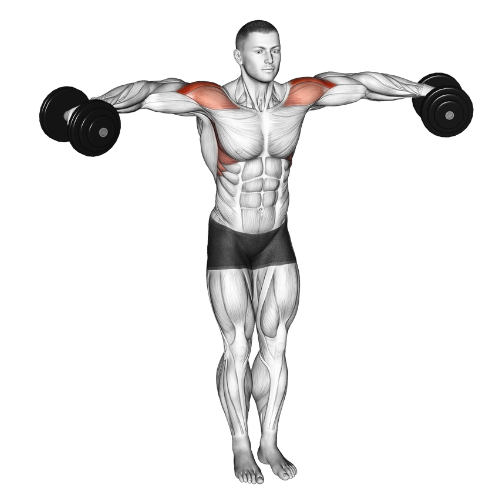
Lateral Raises
Lateral raises focus on the side deltoids. This helps widen your shoulders. The military dumbbell press works the front deltoids more.
Perform lateral raises with light dumbbells. Raise your arms to the sides until they are level with your shoulders. This improves shoulder shape and balance.
- Use light weights to avoid injury
- Keep a slight bend in your elbows
- Lift slowly and control the movement
Push-ups
Push-ups work the chest, triceps, and front shoulders. They complement the military dumbbell press well. Push-ups also engage your core muscles.
Doing push-ups helps build strength in the pushing muscles. This supports better pressing form and power. You can do many variations to target different muscles.
- Standard push-ups for overall upper body strength
- Incline push-ups to reduce difficulty
- Decline push-ups to target upper chest
Overhead Barbell Press
The overhead barbell press targets the same muscles as the dumbbell press. It allows you to lift heavier weights. This builds overall shoulder strength.
Use a barbell to press weight overhead while standing or sitting. This exercise improves stability and power. It also trains your core for balance.
- Keep your back straight during the press
- Start with light weight to learn form
- Use a spotter if lifting heavy

Credit: www.youtube.com
Frequently Asked Questions
What Primary Muscles Does The Military Dumbbell Press Target?
The military dumbbell press primarily targets the deltoid muscles, especially the anterior and medial heads. It also engages the triceps brachii and upper chest muscles for support during the lift, promoting overall shoulder strength and stability.
How Does The Military Dumbbell Press Improve Shoulder Strength?
This exercise strengthens the shoulder by activating multiple deltoid heads and stabilizing muscles. It enhances muscle coordination, increases joint stability, and promotes balanced shoulder development, reducing injury risks and improving overhead lifting performance.
Are Core Muscles Involved In The Military Dumbbell Press?
Yes, the core muscles engage to stabilize the body during the press. Strong core activation helps maintain proper posture and balance, ensuring effective force transfer and reducing the risk of lower back strain.
Can The Military Dumbbell Press Help With Posture?
Yes, it improves posture by strengthening shoulder and upper back muscles. This exercise encourages better alignment, reducing rounded shoulders and promoting an upright stance.
Conclusion
The military dumbbell press targets several important muscles. It mainly works the shoulders, especially the deltoids. It also engages the triceps and upper chest. This exercise helps build strength and improve muscle tone. You can add it to your workout for balanced upper body strength.
Keep proper form to avoid injury and get good results. Try to do it regularly for steady muscle growth. Simple, effective, and strong.


