

Have you ever wondered how to build a stronger chest and back with just one simple exercise? The dumbbell pullover might be the secret weapon you’re missing in your workout routine.
This move not only targets multiple muscle groups but also improves your breathing and flexibility. Keep reading, and you’ll discover exactly what a dumbbell pullover is, how to do it correctly, and why it could be the game-changer for your fitness goals.
Don’t miss out on unlocking the full potential of your training!
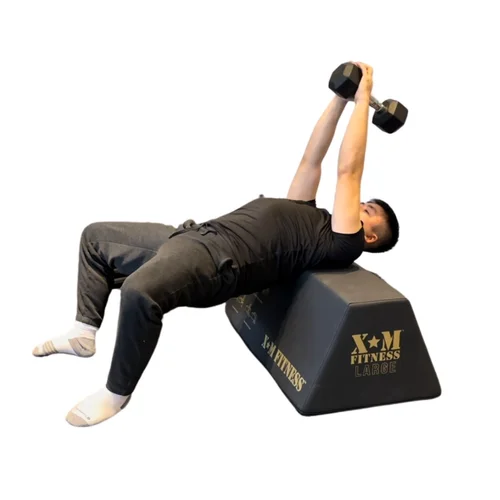
Credit: www.yourhousefitness.com
Dumbbell Pullover Basics
The dumbbell pullover is an exercise that strengthens your upper body. It is simple and effective for building muscle.
This exercise targets several muscles at once. It is popular in many workout routines for its versatility.
Equipment Needed
To perform a dumbbell pullover, you need minimal equipment. This makes it easy to do at home or in the gym.
- One dumbbell
- A flat bench
- Comfortable workout clothes
Muscles Targeted
The dumbbell pullover works several key muscles. It helps in building strength and improving posture.
- Pectoral muscles (chest)
- Latissimus dorsi (back)
- Triceps (arms)
- Serratus anterior (sides of the chest)

Credit: swolverine.com
Proper Form And Setup
The dumbbell pullover is a great exercise for your chest and back muscles. Doing it with the right form helps prevent injuries. It also makes the exercise more effective.
Before starting, you need to set up properly. This guide will explain the starting position, how to move, and common mistakes to avoid.
Starting Position
Lie down on a flat bench with your feet flat on the floor. Hold one dumbbell with both hands above your chest. Keep your arms slightly bent and your core tight.
- Lie flat on your back on the bench
- Plant feet firmly on the floor
- Hold the dumbbell with both hands over your chest
- Bend elbows slightly but keep arms mostly straight
- Engage your core muscles for stability
Movement Execution
Slowly lower the dumbbell in an arc behind your head. Keep your arms steady and slightly bent. Lower the weight until you feel a stretch in your chest or lats.
Raise the dumbbell back to the starting position using the same arc. Keep the movement controlled. Do not use momentum to lift the weight.
- Lower dumbbell slowly behind your head
- Maintain slight bend in elbows
- Stop when you feel a good stretch
- Lift dumbbell back over chest carefully
- Keep movement smooth and controlled
Common Mistakes
One common mistake is bending the arms too much. This reduces the effectiveness of the exercise. Another is lowering the dumbbell too far, which can strain your shoulders.
Using too much weight and moving too fast are also errors. These habits increase injury risk. Focus on control and proper range of motion.
- Elbows bent too much during the exercise
- Lowering dumbbell beyond comfortable stretch
- Using heavy weights that hurt form
- Moving the dumbbell too quickly
- Arching the lower back excessively
Key Benefits
The dumbbell pullover is a simple exercise using a single weight. It targets muscles in the chest, back, and shoulders.
This move helps improve strength and flexibility in several areas of the body.
Chest And Back Development
The dumbbell pullover works both the chest and upper back muscles. It helps build muscle size and tone.
This exercise targets the pectorals and latissimus dorsi, making it effective for upper body strength.
- Strengthens chest muscles for better push movements
- Builds back muscles for improved posture
- Balances muscle development between front and back
Improved Shoulder Mobility
The pullover stretches and moves the shoulder joints through a wide range. This helps increase flexibility.
Better shoulder mobility reduces the chance of injuries and improves overall arm movement.
- Enhances range of motion in shoulder joints
- Prepares shoulders for other exercises
- Helps reduce stiffness and tightness
Core Strength Enhancement
While doing dumbbell pullovers, the core muscles work hard to keep the body stable. This builds core strength.
A strong core supports better balance and posture in daily activities and workouts.
- Engages abdominal muscles for stability
- Improves balance during exercise
- Supports lower back health

Credit: www.bodybuildingmealplan.com
Variations To Try
The dumbbell pullover is a versatile exercise for your chest and back. You can change the angle and position to target muscles differently.
Trying variations keeps your workouts fresh and helps you build balanced strength and muscle.
Flat Bench Pullover
The flat bench pullover is the classic version. Lie flat on a bench with a dumbbell held over your chest. Slowly lower the dumbbell behind your head.
This variation works your chest, lats, and triceps. It helps improve shoulder flexibility too.
Incline Bench Pullover
Set the bench at a 30 to 45-degree angle for the incline pullover. This shifts the focus more on your upper chest and shoulders.
Keep the same motion as the flat bench but with your back supported at an incline. This change helps target muscles differently.
Standing Pullover
Stand straight with feet shoulder-width apart. Hold a dumbbell with both hands and pull it from above your head down to your thighs.
This variation works your lats and core. It also improves posture since you must stay upright during the movement.
Incorporating Into Workouts
The dumbbell pullover is a versatile exercise. It targets the chest, back, and core muscles.
Adding it to your routine can improve muscle strength and flexibility. Here are ways to include it safely and effectively.
Warm-up And Activation
Start with light cardio to raise your heart rate. This prepares your body for the workout.
Activate the muscles used in the pullover with dynamic stretches. This helps prevent injury and improves performance.
- Arm circles to loosen shoulders
- Light dumbbell or resistance band pullovers
- Chest and back stretches
Combining With Other Exercises
Use dumbbell pullovers with pushing and pulling exercises. This balances muscle development.
It pairs well with bench presses, rows, and push-ups for a full upper body workout.
- Bench press for chest strength
- Barbell or dumbbell rows for back
- Push-ups to engage chest and arms
- Plank exercises for core stability
Frequency And Volume
Include dumbbell pullovers two to three times a week. This gives your muscles time to recover.
Start with 2 to 3 sets of 8 to 12 repetitions. Adjust weight to keep good form throughout.
- 2-3 sessions per week
- 2-3 sets per session
- 8-12 reps per set
- Rest 48 hours between sessions
Safety Tips And Precautions
The dumbbell pullover is a popular exercise for the chest and back. It helps improve upper body strength. But it can cause injury if done wrong.
Use safety tips to protect your shoulders and muscles. Follow simple rules to avoid pain or strain.
Avoiding Shoulder Strain
Shoulders are at risk during dumbbell pullovers. Keep your movements slow and controlled. Do not lower the dumbbell too far behind your head.
Stop if you feel any sharp pain or tightness in the shoulder. Warm up before starting to loosen your muscles.
- Keep your elbows slightly bent
- Do not overstretch your arms backward
- Maintain a steady, smooth motion
- Use a spotter if you are new
Choosing The Right Weight
Select a weight that feels challenging but safe. Avoid weights that force you to use bad form. Start light and increase gradually.
Using too heavy weights can cause muscle strains or joint pain. Focus on control rather than lifting heavy.
- Begin with a light dumbbell
- Increase weight only if form stays correct
- Stop if you cannot complete full reps
- Ask for help if unsure about weight
When To Skip The Exercise
Do not do dumbbell pullovers if you have shoulder injuries or pain. Avoid if you have recent surgery or joint problems.
Listen to your body and rest when needed. Choose other exercises that do not hurt your shoulders.
- Skip if you feel sharp shoulder pain
- Avoid if diagnosed with rotator cuff injury
- Do not perform during acute muscle soreness
- Consult a doctor if unsure about safety
Frequently Asked Questions
What Muscles Do Dumbbell Pullovers Target?
Dumbbell pullovers primarily target the chest and latissimus dorsi muscles. They also engage the triceps and core for stability, making it a compound exercise that strengthens upper body muscles effectively.
How Do You Perform A Dumbbell Pullover Correctly?
Lie on a bench with a dumbbell held over your chest. Slowly lower it behind your head, then raise it back. Keep your arms slightly bent and control the movement to avoid injury.
Are Dumbbell Pullovers Good For Chest Development?
Yes, dumbbell pullovers effectively stretch and strengthen the chest muscles. They expand the rib cage and improve muscle definition when incorporated into a balanced workout routine.
Can Dumbbell Pullovers Improve Breathing Capacity?
Yes, dumbbell pullovers help expand the rib cage and improve lung capacity. This can enhance breathing efficiency during physical activities and overall respiratory health.
Conclusion
The dumbbell pullover works many muscles at once. It helps build strength in your chest, back, and arms. You can do it with just one dumbbell. This exercise also improves your breathing and posture. Try to keep your movements slow and steady.
Add dumbbell pullovers to your routine for balanced muscle growth. Remember, good form is key to avoid injury. Practice regularly and watch your upper body get stronger. Simple but effective. Give it a try!


