

If you want to build a stronger back and improve your posture, mastering the bent over dumbbell row is a game-changer. This simple exercise targets key muscles that support your spine and boost your overall strength.
But doing it wrong can lead to injury or wasted effort. You’ll learn exactly how to perform bent over dumbbell rows with perfect form. By the end, you’ll know how to get the most out of every rep and see real results faster.
Ready to take your workouts to the next level? Let’s dive in.

Credit: www.ryseapp.io
Benefits Of Bent Over Dumbbell Rows
Bent over dumbbell rows are a popular exercise in strength training. They help in building a strong and defined back.
This exercise is great for improving overall fitness. It targets multiple muscles and offers numerous benefits.
Muscles Targeted
The bent over dumbbell row works several major muscles. These muscles are important for a strong upper body.
- Latissimus dorsi
- Rhomboids
- Trapezius
- Biceps
Improved Posture
Good posture is important for health. This exercise strengthens the muscles that support your spine.
Strong back muscles help keep your posture straight. They reduce the risk of back pain and injury.
Enhanced Back Strength
Strong back muscles are essential for lifting heavy objects. Bent over dumbbell rows help increase your back strength.
This exercise also helps in performing daily activities with ease. It supports better movement and flexibility.
Choosing The Right Dumbbells
Picking the right dumbbells is key for good bent over dumbbell rows. The right weight helps you do the exercise well and avoid injury.
Too heavy dumbbells can cause poor form. Too light dumbbells may not give enough workout. Choose wisely for best results.
Weight Selection Tips
Start with a weight that feels comfortable but still challenges your muscles. You should be able to do 8 to 12 reps with good form.
If you struggle to keep your back straight, lower the weight. If you finish easily, try a heavier dumbbell next time.
- Choose weight you can lift 8-12 times with control
- Increase weight gradually to build strength
- Keep your form steady during all reps
- Lower weight if your back rounds or shakes
Types Of Dumbbells
There are different dumbbells you can use. Each type has its benefits for bent over rows and general workouts.
Choosing the right type depends on your budget, space, and workout needs.
- Fixed dumbbells:Set weights, easy to grab, good for quick workouts.
- Adjustable dumbbells:Change weight with plates, save space, cost-effective.
- Hex dumbbells:Won’t roll away, stable on the floor, great for home gyms.
- Rubber coated dumbbells:Protect floors and reduce noise.
Preparing Your Body
Doing bent over dumbbell rows needs a strong, ready body. Preparing well helps stop injuries.
Warm muscles and flexible joints make exercise safer and easier. Spend time getting ready.
Warm-up Exercises
Warm-up exercises raise your heart rate and loosen muscles. They prepare your back and arms.
Try light cardio and simple movements that mimic the row action. This helps blood flow.
- Jumping jacks for 2–3 minutes
- Arm circles forward and backward
- Bodyweight squats to engage legs
- Light dumbbell rows with low weight
Stretching Techniques
Stretching after warming up keeps muscles flexible and reduces stiffness. Focus on your back.
Hold each stretch gently for 20–30 seconds. Avoid bouncing or pushing too hard.
- Cat-cow stretch to loosen the spine
- Seated forward fold to stretch the hamstrings
- Shoulder crosses to open the upper back
- Chest opener stretch to balance the back muscles

Credit: swolverine.com
Step-by-step Bent Over Row Technique
The bent over dumbbell row is a great exercise to strengthen your back muscles. It also helps improve posture and build upper body strength.
Follow these steps carefully to perform the exercise safely and effectively.
Starting Position
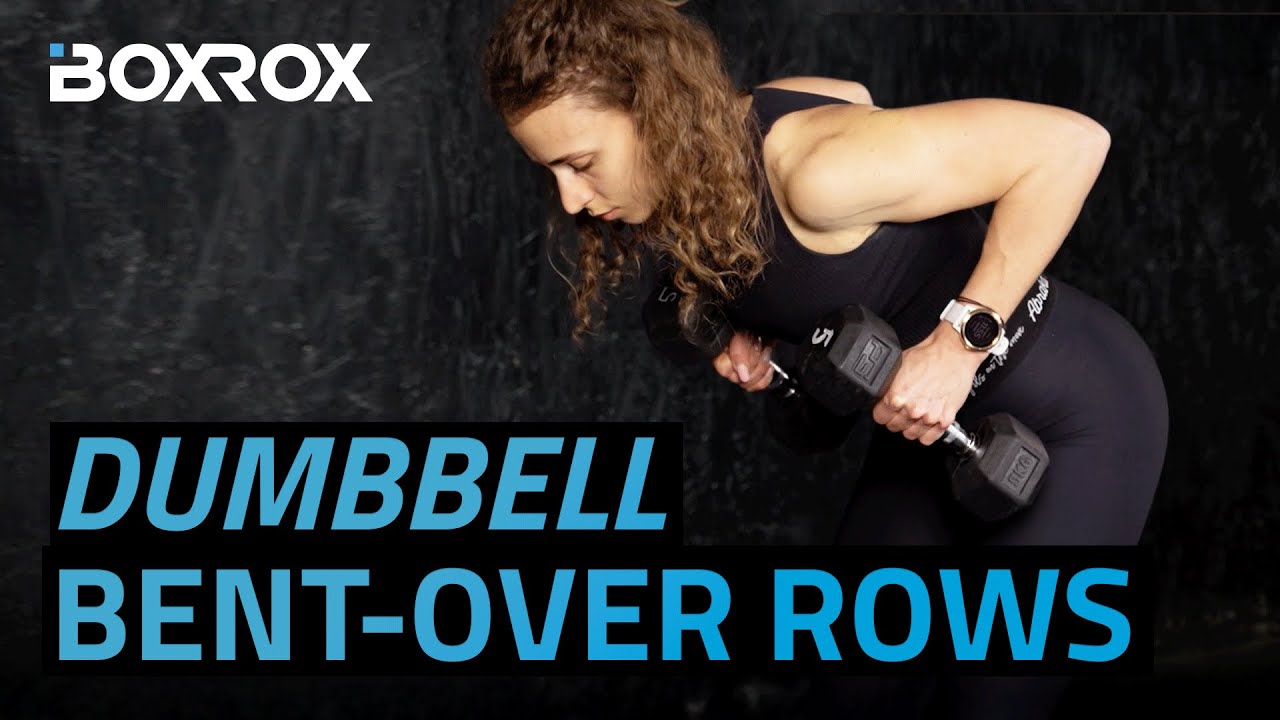
Stand with your feet shoulder-width apart. Hold a dumbbell in each hand with your palms facing your body.
Bend your knees slightly and lean forward from your hips. Keep your back straight and your head aligned with your spine.
- Feet shoulder-width apart
- Slight bend in knees
- Lean forward at hips
- Back straight, head neutral
- Hold dumbbells with palms facing in
Executing The Row
Pull the dumbbells up toward your waist. Keep your elbows close to your body as you lift.
Pause at the top for a moment. Lower the dumbbells slowly back to the starting position.
- Lift dumbbells toward waist
- Keep elbows close to body
- Pause briefly at the top
- Lower weights slowly
Breathing Tips
Inhale deeply before you start the row. Exhale as you lift the dumbbells up.
Take another breath as you lower the weights back down. Keep your breathing steady and controlled.
- Inhale before lifting
- Exhale while pulling up
- Inhale while lowering
- Keep breath steady
Common Mistakes To Avoid
Bent over dumbbell rows are great for your back muscles. Doing them wrong can cause injury or reduce results.
Watch out for these common mistakes to keep your form safe and effective.
Rounding The Back
Keep your back straight during the exercise. Rounding your back puts strain on your spine.
A flat back helps target the right muscles and prevents injury.
- Engage your core muscles
- Keep your chest lifted
- Maintain a neutral spine
Using Momentum
Do not swing the dumbbells to lift the weight. Using momentum reduces muscle work.
Lift the dumbbells slowly and with control to get the best results.
- Pause briefly at the top of the movement
- Lower the weights slowly
- Focus on muscle contraction
Incorrect Elbow Position
Keep your elbows close to your body during the row. Flaring them out can stress your shoulders.
A proper elbow position helps you target your back muscles better and avoid injury.
- Pull elbows straight back
- Do not let elbows flare sideways
- Keep wrists neutral and aligned
Progressions And Variations
Bent over dumbbell rows are great for your back muscles. You can change the exercise to fit your skill level.
Trying different variations helps target muscles in new ways. It also keeps your workouts interesting.
Single-arm Rows
Single-arm rows focus on one side of your back at a time. This helps fix muscle imbalances and improve strength.
Use one dumbbell and support your body with your other hand on a bench. Pull the dumbbell up to your side slowly.
- Keep your back flat and core tight.
- Pull the dumbbell toward your hip.
- Lower the dumbbell with control.
Incline Bench Rows
Incline bench rows let you rest your chest on a bench. This reduces stress on your lower back.
Lie face down on an incline bench. Hold dumbbells in each hand and row them up to your chest.
- Keep your shoulders down and back.
- Squeeze your shoulder blades together at the top.
- Lower the weights slowly to start position.
Tempo Adjustments
Changing the tempo means changing how fast you lift and lower the dumbbells. This changes muscle work and fatigue.
Try slowing down the lowering phase or pausing at the top. These small changes make the exercise harder.
- Slow lift and slow lower: 3 seconds up, 3 seconds down.
- Pause at the top for 1-2 seconds before lowering.
- Explosive lift with slow lowering.
Incorporating Rows Into Your Routine
Bent over dumbbell rows help build strong back muscles. Adding them to your workout can improve posture and strength.
Knowing how to include rows in your plan keeps your training balanced and effective.
Workout Frequency
Do bent over dumbbell rows two to three times each week. This frequency lets your muscles recover well.
Avoid working the same muscle group on back-to-back days. Rest days help your muscles grow stronger.
- Perform 3 sets of 8 to 12 reps per session
- Rest 48 hours before training back muscles again
- Adjust weight to keep good form without pain
Pairing With Other Exercises
Combine rows with pushing exercises for a balanced workout. This helps your upper body stay strong and even.
Include core and leg exercises to support overall fitness. This creates a full-body routine that improves function.
- Pair rows with push-ups or dumbbell chest press
- Add planks or crunches to engage your core
- Include squats or lunges for leg strength
- Warm up before and stretch after your workout
Credit: www.youtube.com
Recovery And Injury Prevention
Bent over dumbbell rows are great for building back strength. Proper recovery helps muscles heal and grow. Injury prevention keeps you safe during workouts.
Taking care of your body after exercise is important. It reduces soreness and lowers injury risk.
Post-workout Stretching
Stretching after bent over dumbbell rows helps your muscles relax. It improves blood flow and reduces tightness.
Focus on your back, shoulders, and arms. Hold each stretch for 20 to 30 seconds without bouncing.
- Cat-Cow stretch to loosen your spine
- Cross-body shoulder stretch
- Child’s pose for lower back relief
- Triceps stretch to relax your arms
Signs Of Overtraining
Overtraining happens when your body does not get enough rest. It can cause pain and lower your performance.
Watch for these signs to avoid injury and burnout.
- Persistent muscle soreness lasting days
- Joint pain or stiffness
- Fatigue and low energy
- Difficulty sleeping
- Decreased strength or motivation
Frequently Asked Questions
How Do You Perform Bent Over Dumbbell Rows Correctly?
Stand with feet hip-width apart, bend knees slightly, and hinge at hips. Keep back flat and core tight. Hold dumbbells, pull elbows back towards ribs, squeeze shoulder blades, then lower weights slowly. Maintain controlled movement for best results.
What Muscles Do Bent Over Dumbbell Rows Target?
This exercise primarily targets the upper back muscles, including the latissimus dorsi, rhomboids, and trapezius. It also engages the biceps and core muscles for stability. Bent over dumbbell rows help improve posture and strengthen the back.
How Many Sets And Reps Are Ideal For Bent Over Rows?
For strength, perform 3-4 sets of 6-8 reps with heavier weights. For endurance, aim for 3 sets of 12-15 reps with lighter weights. Adjust weight to maintain proper form throughout all repetitions.
Can Bent Over Dumbbell Rows Help Improve Posture?
Yes, bent over dumbbell rows strengthen upper back muscles, which support better posture. They counteract the effects of slouching and prolonged sitting by opening the chest and aligning the spine.
Conclusion
Bent over dumbbell rows build strong back muscles effectively. Keep your form steady and controlled during each rep. Start with lighter weights to learn the correct technique. Gradually increase weight as your strength improves. Consistency is key to seeing good results.
Combine this exercise with a balanced workout routine. Remember, proper breathing helps maintain focus and power. Practice patience; progress takes time and effort. Stay dedicated, and your back strength will grow steadily.


