

Are you ready to build a stronger, more defined chest right at home or in the gym? Learning how to do a chest press with dumbbells is one of the best ways to boost your upper body strength and improve muscle tone.
It’s simple, effective, and perfect for all fitness levels. You’ll discover the step-by-step technique that ensures you get the most out of every rep while avoiding common mistakes. Keep reading to unlock the secret to a powerful chest workout that fits your routine perfectly.

Credit: uk.style.yahoo.com
Benefits Of Dumbbell Chest Press
The dumbbell chest press is a popular exercise. It helps build strong chest muscles. Many people use it for its various benefits.
Using dumbbells gives you more control. It helps in balancing your body. This exercise is good for beginners and experts alike.
Improves Muscle Strength
The dumbbell chest press strengthens your chest. It also targets your shoulders and triceps. Strong muscles improve your overall fitness.
Regular practice increases muscle endurance. It helps in lifting heavier weights over time. This boosts your confidence in workouts.
Enhances Muscle Balance
Dumbbells help in balancing both sides of your body. This exercise lets each arm work independently. It reduces muscle imbalances effectively.
Balanced muscles lower the risk of injuries. It also helps in performing daily activities better. You achieve a more symmetrical body shape.
Increases Range Of Motion
The dumbbell chest press offers a better range of motion. It allows your arms to move freely. This helps in developing flexible muscles.
Flexible muscles improve your posture. It makes other exercises easier to perform. You feel more comfortable during physical activities.
Improves Core Stability
While pressing the dumbbells, your core muscles engage. This stabilizes your body during the exercise. A strong core supports your overall strength.
Core stability enhances your balance. It prevents falls and injuries. A stable core is key to physical fitness.
Choosing The Right Dumbbells
Picking the right dumbbells is important for a safe and effective chest press. The right weight helps you build strength without injury.
This guide helps you choose dumbbells that fit your fitness level and goals. Knowing the types and weights is key.
Weight Selection Tips
Start with a light weight that you can lift comfortably. Focus on good form before adding more weight.
Choose a weight that lets you do 8 to 12 reps without losing control. If you can easily do more, increase the weight.
- Pick a weight you can lift with correct form
- Use weights that challenge you but do not cause pain
- Increase weight gradually as you get stronger
- Stop if you feel sharp pain or discomfort
Types Of Dumbbells
Dumbbells come in several types. Each type suits different needs and budgets.
Knowing the types helps you pick dumbbells that last and feel good in your hands.
- Fixed Dumbbells:These have a set weight and do not change. They are easy to use and durable.
- Adjustable Dumbbells:You can change the weight by adding or removing plates. They save space.
- Selectorized Dumbbells:These have a dial or pin to quickly change weight. They are convenient but cost more.
- Neoprene Dumbbells:Covered in soft coating, good for light weights and home use.
Setting Up Your Bench And Position
Doing a chest press with dumbbells needs the right bench setup. A good position helps you lift safely and effectively.
Start by choosing the right bench and adjusting your body for the best form. This will help you get the most from your workout.
Bench Types And Angles
There are different benches for chest presses. Flat, incline, and decline benches each work your chest muscles in different ways.
Adjust the bench angle to focus on different parts of your chest. The angle also changes how hard the exercise feels.
- Flat Bench:Targets the middle chest and is best for beginners.
- Incline Bench:Set between 30° and 45°, it works the upper chest and shoulders.
- Decline Bench:Angled downward to focus on the lower chest.
Proper Body Alignment
Keep your body aligned to avoid injury and improve your strength. Position your feet flat on the floor and your back pressed against the bench.
Hold the dumbbells at chest level with your wrists straight. Keep your shoulders down and your neck relaxed during the press.
- Feet flat on the ground for stability
- Back fully supported by the bench
- Shoulders pulled back and down
- Wrists straight, holding dumbbells firmly
- Neck relaxed and head resting on the bench
Step-by-step Chest Press Technique
The chest press with dumbbells is a strong exercise for your chest muscles. It also works your shoulders and arms.
Doing it right helps you avoid injury and get better results. Follow these steps for proper form.
Starting Position
Lie down on a flat bench with a dumbbell in each hand. Keep your feet flat on the floor for balance.
Hold the dumbbells at chest level with your palms facing forward. Keep your elbows bent at about 90 degrees.
Lowering The Dumbbells
Slowly lower the dumbbells down to the sides of your chest. Keep control and avoid dropping them fast.
Stop when your elbows are just below the bench level or when you feel a stretch in your chest muscles.
Pressing Upwards
Push the dumbbells straight up until your arms are almost fully extended. Do not lock your elbows.
Keep the dumbbells close but do not let them touch. Keep your wrists straight and steady.
Breathing Patterns
Inhale deeply as you lower the dumbbells. This helps keep your body stable during the movement.
Exhale forcefully as you press the dumbbells upward. Proper breathing improves strength and control.
Common Mistakes To Avoid
Doing the chest press with dumbbells can build strong muscles. Many people make mistakes that can cause pain or reduce results. Avoid these common errors for a safer workout.
Focus on your form to get the most from your chest press. Small changes can help you lift better and avoid injury.
Incorrect Wrist Position
Keeping your wrists straight is important. Bent wrists put stress on your joints. This can lead to pain or injury over time.
Hold the dumbbells firmly and keep your wrists aligned with your forearms. This keeps the weight balanced and your joints safe.
- Do not let your wrists bend backward or forward
- Keep wrists strong and straight throughout the movement
- Focus on a steady grip to control the dumbbells
Arching The Back
Arching your back puts extra pressure on your spine. This can cause lower back pain or injury. Your back should stay flat on the bench.
Keep your feet flat on the floor and your core tight. This helps support your back and keeps your body stable during the press.
- Press your lower back gently into the bench
- Do not lift your hips or shoulders off the bench
- Engage your core muscles for better support
Uneven Dumbbell Movement
Moving dumbbells unevenly can cause muscle imbalance. One side may work harder, leading to poor results and injury risk.
Lift both dumbbells evenly and control the movement. Use the same speed and range of motion on both sides.
- Start with lighter weights to practice balance
- Watch your form in a mirror or ask for help
- Focus on smooth, controlled movements on both sides
Variations To Target Different Muscles
The chest press with dumbbells works many chest muscles. Changing the angle or method helps target different parts of the chest. This improves muscle balance and strength.
Try different variations to focus on the upper, lower, or inner chest. Each variation changes the muscle emphasis slightly.
Incline Dumbbell Press
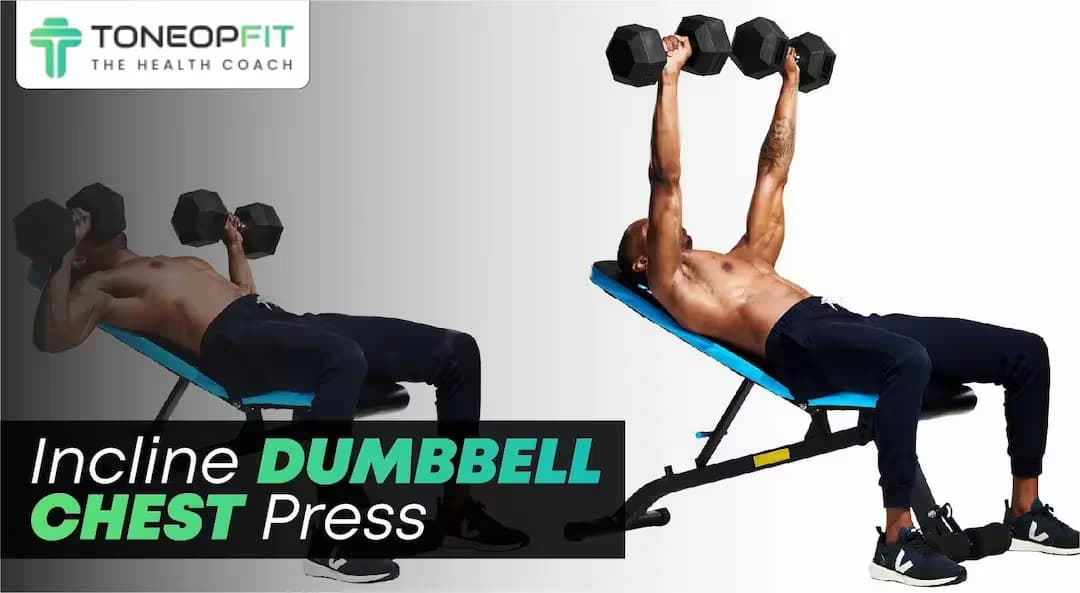
The incline dumbbell press targets the upper chest. Set a bench at a 30 to 45-degree angle. This angle shifts the work to the upper chest and shoulders.
Lie back on the bench and press the dumbbells upward. Keep your elbows at about a 45-degree angle. This helps reduce shoulder strain.
- Targets upper pectoral muscles
- Involves front shoulder muscles
- Helps create chest definition
Decline Dumbbell Press
The decline dumbbell press focuses on the lower chest. Use a bench set at a decline angle, usually 15 to 30 degrees. This angle shifts the load to the lower chest muscles.
Lie on the bench with your head lower than your hips. Press the dumbbells up and together. Keep your movements controlled for safety.
- Targets lower pectoral muscles
- Reduces shoulder involvement
- Helps shape the bottom chest
Single-arm Chest Press
The single-arm chest press improves balance and core strength. Lie on a flat bench and press one dumbbell at a time. Keep the other arm resting or extended for support.
This variation forces your core to stabilize your body. It also helps fix muscle imbalances between sides.
- Improves muscle balance
- Engages core muscles
- Focuses on one side of the chest
Incorporating Chest Press Into Your Routine
The chest press with dumbbells is a great exercise for building upper body strength. It targets your chest muscles and helps improve muscle tone.
Adding this exercise to your workout routine can improve your overall fitness and muscle balance. It is easy to perform at home or in the gym.
Frequency And Sets
For best results, do the chest press two to three times each week. This allows your muscles to recover and grow stronger.
Start with two to three sets of eight to twelve repetitions. Adjust the weight so the last reps feel challenging but safe.
- Perform 2-3 workouts per week
- Complete 2-3 sets per session
- Do 8-12 reps per set
- Rest 30-60 seconds between sets
Pairing With Other Exercises
Pair the chest press with exercises that work different muscle groups. This helps create a balanced workout and reduces injury risk.
Combine chest presses with back, shoulder, and arm exercises to build upper body strength evenly. Include leg and core moves for full-body fitness.
- Push-ups for chest and arms
- Dumbbell rows for back muscles
- Shoulder presses for shoulders
- Squats for legs
- Planks for core strength
Credit: toneopfit.com
Safety Tips And Injury Prevention
Doing the chest press with dumbbells can build strong chest muscles. It is important to stay safe and avoid injuries.
Following safety tips helps keep your workout effective and pain-free. Use good form and prepare your body well.
Warm-up Suggestions
Warming up before a chest press loosens your muscles. It also raises your heart rate safely.
Start with light exercises that move your arms and chest. This prepares your body for heavier weights.
- Do arm circles to warm your shoulders
- Use light dumbbells for a few slow presses
- Stretch your chest gently before lifting
- Spend 5 to 10 minutes warming up
Spotting Techniques
A spotter helps keep you safe during the chest press. They watch your form and help if the weights are too heavy.
Ask a friend to spot you when lifting heavy dumbbells. They can support the weights if you lose control.
- The spotter stands behind the bench or beside you
- They keep hands near the dumbbells without touching them
- The spotter helps lift the dumbbells back if needed
- They encourage you to keep steady and safe

Credit: www.youtube.com
Frequently Asked Questions
How Do I Properly Grip Dumbbells For Chest Press?
Hold the dumbbells firmly with a neutral grip. Keep your wrists straight and elbows slightly bent. This ensures control and reduces injury risk during the chest press.
What Is The Correct Body Position For Dumbbell Chest Press?
Lie flat on a bench with feet flat on the floor. Keep your back slightly arched and shoulders retracted to engage your chest muscles effectively.
How Many Reps And Sets Are Ideal For Chest Press?
Start with 3 sets of 8-12 reps. This range balances muscle growth and endurance, suitable for most fitness levels.
Can Dumbbell Chest Press Improve Muscle Balance?
Yes, dumbbells require each arm to work independently. This helps correct muscle imbalances and improves overall chest symmetry and strength.
Conclusion
Chest press with dumbbells builds strong chest muscles safely. Keep your back flat and control the weights. Use a weight you can lift without pain. Focus on slow, steady movements for best results. Practice regularly to see steady progress. Always warm up before starting your workout.
Rest enough between sets to avoid injury. Stay consistent and patient with your training. Your chest strength and shape will improve over time. Simple steps lead to effective workouts. Keep going and enjoy the benefits.


