

If you want to build a stronger back and improve your posture, learning how to do rows with dumbbells is a game-changer. This simple exercise targets key muscles that support your spine and boost your overall strength.
But doing it the right way makes all the difference—wrong form can lead to injury or wasted effort. You’ll discover easy-to-follow steps and expert tips to master dumbbell rows safely and effectively. Keep reading, and unlock the secret to a more powerful, balanced upper body.
Benefits Of Dumbbell Rows
Dumbbell rows are a great exercise for your upper body. They help improve strength and muscle tone.
This exercise can be done by people of all fitness levels. It offers many benefits for your health and fitness.
Muscle Groups Targeted
Dumbbell rows work several muscles in your body. They mainly target your back muscles, shoulders, and arms.
These muscles are important for daily activities. Strengthening them can make tasks easier and less tiring.
- Upper back muscles
- Shoulders
- Biceps
Improved Posture And Strength
Doing dumbbell rows can help improve your posture. This is because they strengthen the muscles in your back.
Better posture can reduce back pain and make you stand taller. Stronger muscles also help with lifting and carrying things.
Versatility And Accessibility
Dumbbell rows are versatile and easy to do. You only need a pair of dumbbells and a little space.
This exercise can be done at home or in the gym. You can adjust the weight to match your fitness level.
- Can be done anywhere
- Easy to adjust weights
- Suitable for all fitness levels
Choosing The Right Dumbbells
Using the right dumbbells is important for rows. It helps you exercise safely and effectively. Picking dumbbells that fit your strength and goals makes workouts better.
This guide explains how to choose dumbbells for rows. You will learn about weight, types, and safety tips. These tips help you get the best results.
Selecting Appropriate Weight
Choose a dumbbell weight that feels hard but doable. You should finish your reps with good form. The last few reps should be a bit challenging.
Start with lighter weights if you are new. Increase the weight slowly as you get stronger. Avoid weights that cause pain or bad posture.
- Pick weights you can lift 8 to 12 times
- Do not sacrifice form for heavier weights
- Use lighter weights to practice technique
- Increase weight gradually over weeks
Types Of Dumbbells
Dumbbells come in many styles. Each type has benefits for your workout. Choose one that fits your space and budget.
- Fixed dumbbells:Solid weight, easy to use, no adjustments needed
- Adjustable dumbbells:Change weight plates to save space and money
- Selectorized dumbbells:Use a dial to quickly pick weights
- Rubber coated dumbbells:Protect floors and reduce noise
Fixed dumbbells are good for quick workouts. Adjustable types help if you want many weight options. Rubber coating adds safety for home use.
Safety Considerations
Safety is key when using dumbbells. Choose dumbbells with secure grips. Check for loose parts before each use.
Clear space around you to avoid accidents. Use a firm surface to stand or kneel on. Stop if you feel sharp pain or discomfort.
- Use dumbbells with textured or rubber grips
- Inspect dumbbells for damage regularly
- Keep the workout area free of obstacles
- Warm up before lifting and cool down after
Preparing For The Exercise
Doing rows with dumbbells is a great way to build back strength. Preparing well helps you avoid injury and get better results.
This guide covers how to get ready before you start the exercise.
Warm-up Techniques
Warming up loosens your muscles and raises your heart rate. It makes your body ready for lifting weights.
Try simple movements that target your back and arms.
- Arm circles: Move your arms in small circles for 30 seconds.
- Torso twists: Rotate your upper body side to side slowly.
- Light cardio: Walk or jog in place for 3-5 minutes.
- Bodyweight rows: Use a low bar to practice the rowing motion.
Setting Up Your Space
Choose a clear area with enough room to move your arms freely. Make sure the floor is flat and not slippery.
Keep your dumbbells nearby so you can reach them easily. Avoid clutter to stay safe during the exercise.
- Clear space around you for full arm movement.
- Use a flat, stable floor to keep balance.
- Place dumbbells close to avoid stretching or bending.
- Wear proper shoes with good grip.
Body Positioning Basics
Good body position helps you lift safely and target the right muscles. Keep your back straight and core tight.
Set your feet shoulder-width apart and bend slightly at the hips. Hold the dumbbells with a firm grip.
- Stand with feet shoulder-width apart.
- Bend hips forward, keep back straight.
- Engage your core muscles.
- Hold dumbbells with palms facing your body.
- Keep your neck neutral, looking slightly ahead.
Step-by-step Dumbbell Row Technique
Dumbbell rows help build strong back muscles. This exercise improves posture and strength.
Follow these steps to perform dumbbell rows safely and effectively.
Starting Position
Stand with feet hip-width apart. Hold a dumbbell in each hand with a neutral grip.
Bend your knees slightly and hinge forward at the hips. Keep your back flat and chest lifted.
- Your arms should hang straight down from your shoulders.
- Keep your head in line with your spine.
- Engage your core to support your back.
Executing The Row
Pull the dumbbells towards your waist. Focus on squeezing your shoulder blades together.
Keep your elbows close to your body as you lift. Avoid using momentum to move the weights.
- Lift until your elbows pass your torso.
- Pause briefly at the top of the movement.
- Lower the dumbbells slowly back to the start.
Breathing And Tempo
Inhale as you lower the dumbbells. Exhale as you pull them up toward your body.
Use a controlled tempo. Lift for two seconds and lower for three seconds to maximize muscle engagement.
- Breathing steady helps maintain focus.
- Slow movements reduce injury risk.
- Control increases workout effectiveness.
Common Form Mistakes To Avoid
Rows with dumbbells are great for building your back muscles. But many people make form mistakes. These mistakes can cause injury or reduce the workout’s effectiveness.
Focus on good form to get the best results. Avoid these common errors to keep safe and strong.
Rounding The Back
One of the biggest mistakes is rounding the back during rows. Your spine should stay straight and neutral. Rounding puts extra stress on your lower back and can cause pain.
Keep your chest up and shoulders back. Tighten your core to support your spine. This helps protect your back and improves the lift.
Using Momentum
Using momentum means swinging the weights instead of lifting them with your muscles. This reduces the workout’s effectiveness and can lead to injury.
Lift the dumbbells slowly and with control. Focus on squeezing your back muscles as you pull. Avoid jerky movements or swinging your body.
Incorrect Elbow Path
Your elbows should move close to your body during rows. Flaring them out takes the focus off your back and stresses your shoulders.
Pull the dumbbells straight up along your sides. Keep your elbows tucked in to target the right muscles and protect your joints.

Credit: powerliftingtechnique.com
Variations To Challenge Yourself
Rows with dumbbells are great for building back strength. Changing the type of row can make the exercise harder and work different muscles.
Try these variations to add challenge and keep your workouts interesting.
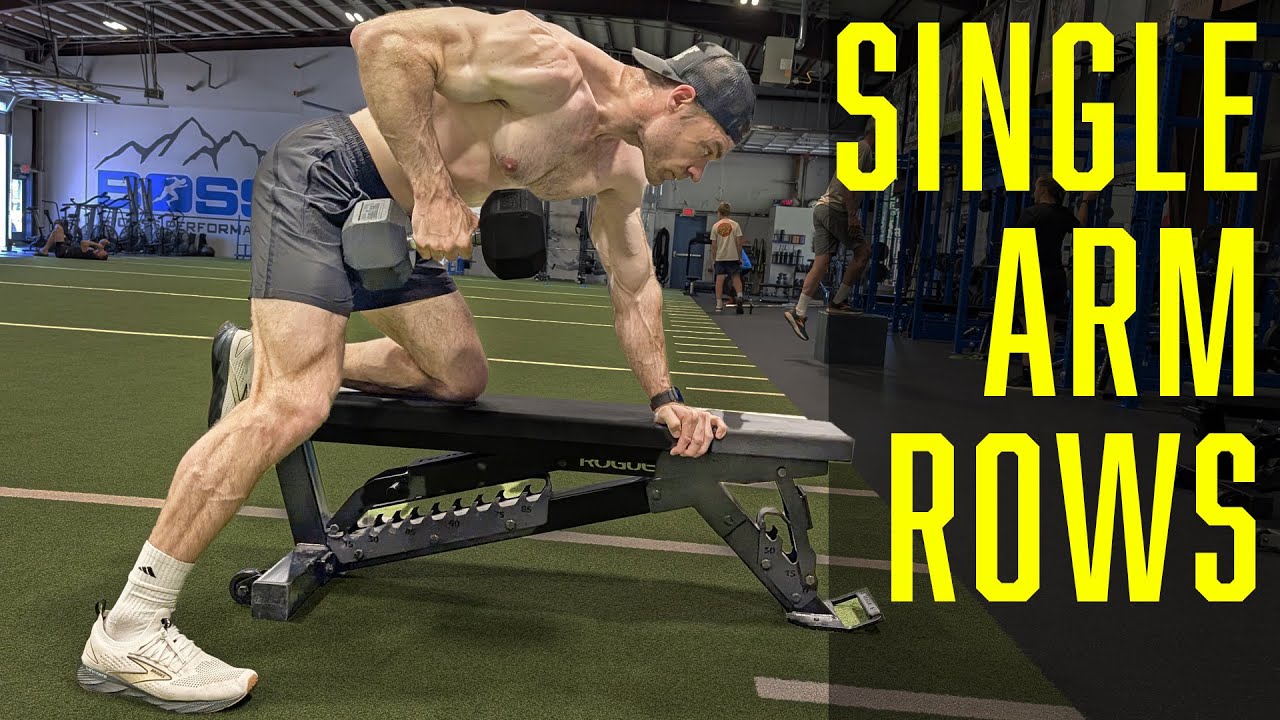
Single-arm Dumbbell Row
This row focuses on one side of your back at a time. It helps fix muscle imbalances and improves core stability.
Keep your back straight and pull the dumbbell up to your waist. Lower it slowly for control.
- Place one knee and hand on a bench for support
- Hold the dumbbell in the other hand
- Pull the dumbbell toward your hip
- Keep your elbow close to your body
- Lower the dumbbell slowly
Renegade Row
The renegade row combines a plank with a row. It challenges your back, arms, and core at the same time.
Start in a plank with a dumbbell in each hand. Row one dumbbell while balancing on the other arm and feet.
- Keep your body straight like a board
- Pull one dumbbell toward your chest
- Lower it back with control
- Repeat on the other side
- Focus on not twisting your hips
Incline Dumbbell Row
This row uses an incline bench to support your chest. It helps isolate your back muscles better.
Lie face down on the bench and hold dumbbells below you. Pull the weights up to your sides and lower slowly.
- Set the bench at a 30 to 45-degree angle
- Lie chest-down with feet on the floor
- Hold dumbbells with arms extended down
- Pull dumbbells toward your hips
- Control the movement on the way down
Incorporating Rows Into Your Workout
Rows with dumbbells are a great way to build strong back muscles. They help improve posture and support other lifts.
You can easily add rows to your regular workout routine. This exercise fits well with many training styles.
Pairing With Other Exercises
Pair rows with pushing exercises like push-ups or bench press. This balances your upper body workout.
Also, combine rows with leg exercises to create a full-body workout. This improves overall strength and endurance.
- Rows and push-ups for upper body balance
- Rows with squats for full-body strength
- Rows before or after cardio for muscle focus
Frequency And Sets
Do rows two to three times per week for best results. This helps muscles recover and grow.
Start with 3 sets of 8 to 12 repetitions. Use a weight that challenges you but keeps good form.
- 2-3 workouts per week
- 3 sets each session
- 8-12 reps per set
- Rest 30-60 seconds between sets
Tracking Progress
Keep a workout journal to track your rows. Write down the weight, sets, and reps each time.
Increase the dumbbell weight or reps as you get stronger. This helps you keep improving safely.
- Note weight and reps every session
- Try to increase reps or weight weekly
- Watch for form and avoid injury

Credit: powerliftingtechnique.com
Credit: www.youtube.com
Frequently Asked Questions
What Muscles Do Dumbbell Rows Target?
Dumbbell rows primarily target the upper back muscles, including the latissimus dorsi, rhomboids, and trapezius. They also engage the biceps and core for stabilization. This makes them effective for building back strength and improving posture.
How Do I Maintain Proper Form During Dumbbell Rows?
Keep your back straight and hinge at the hips. Pull the dumbbells toward your waist, squeezing shoulder blades together. Avoid rounding your shoulders or using momentum. Controlled movements maximize muscle engagement and reduce injury risk.
How Many Sets And Reps Are Ideal For Dumbbell Rows?
For strength, perform 3-4 sets of 6-8 reps with heavier weights. For muscle endurance, aim for 3 sets of 12-15 reps using lighter weights. Adjust based on your fitness goals and experience level.
Can Dumbbell Rows Help Improve Posture?
Yes, dumbbell rows strengthen upper back muscles that support spine alignment. Regular practice helps counteract slouching, reduces shoulder rounding, and promotes better posture, especially for those who sit long hours.
Conclusion
Rows with dumbbells build strong back muscles and improve posture. Use correct form to avoid injury and get the best results. Start with lighter weights and increase as you gain strength. Keep your movements slow and steady for better control.
Practice regularly to see progress over time. Remember, consistency beats intensity every time. Simple steps lead to great gains. Try adding dumbbell rows to your workout routine today.


