

Want stronger, more defined forearms that grab attention and boost your grip strength? You’re in the right place.
Working out your forearms with dumbbells is simple, effective, and something you can do anywhere. Imagine the confidence you’ll feel when you can hold on tight during workouts, daily tasks, or even impress with a firm handshake. Keep reading, and you’ll discover easy exercises that target your forearms, help you avoid injury, and show results faster than you think.
Let’s get your forearms working harder today!
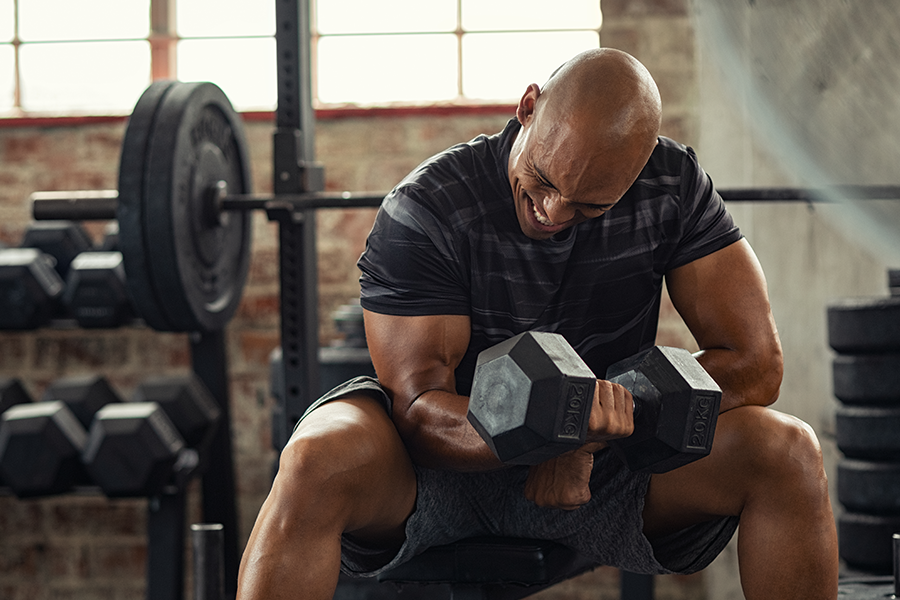
Credit: www.dmoose.com
Benefits Of Forearm Training
Training your forearms is important for overall strength. It helps in everyday tasks and improves grip.
Using dumbbells for forearm workouts is simple and effective. You can do these exercises at home or the gym.
Improved Grip Strength
Strong forearms lead to a better grip. This is helpful in lifting and carrying heavy objects.
A strong grip is also important in sports like tennis and rock climbing. It helps you hold onto things tightly.
Enhanced Arm Appearance
Working out your forearms makes your arms look better. Muscular forearms add to the overall shape of your arms.
This can boost your confidence when wearing short sleeves. Strong forearms show off your fitness level.
Injury Prevention
Strong forearms can reduce the chance of injuries. They help stabilize your wrists and elbows during activities.
Preventing injuries means you can keep exercising without interruptions. This supports your long-term fitness goals.
Better Performance In Activities
Forearm strength is key for many activities. It helps in sports and physical tasks, making them easier and more effective.
With stronger forearms, you can perform better in weightlifting, rowing, and more. This can improve your overall athletic performance.
- Improved grip for sports
- Better lifting technique
- Increased endurance
Essential Dumbbell Exercises
Strong forearms help with grip and arm strength. Dumbbells are great tools for forearm workouts.
This guide shows four essential dumbbell exercises to build your forearms effectively.
Wrist Curls
Wrist curls target the muscles on the inside of your forearms. Use light dumbbells to start.
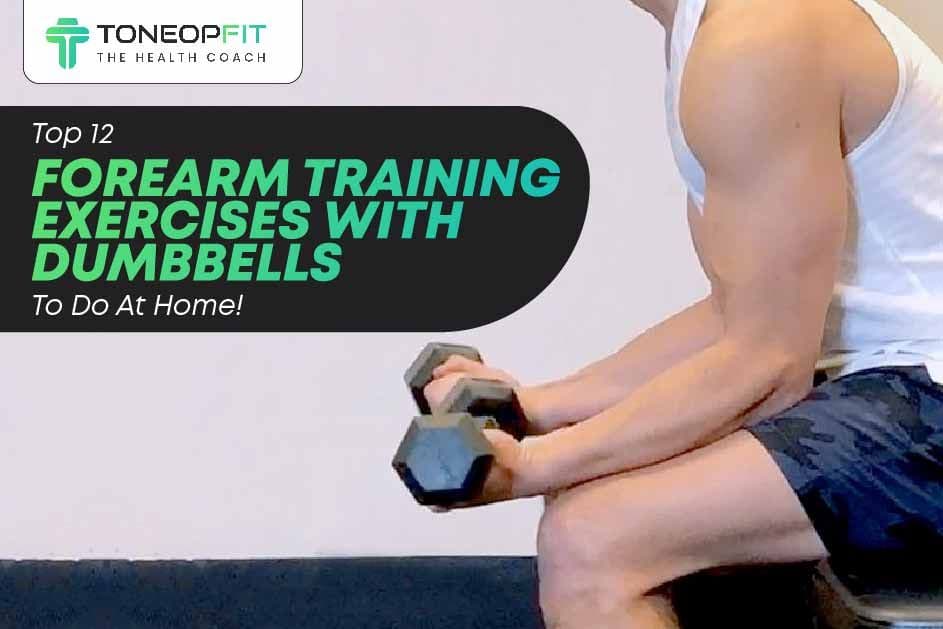
Hold a dumbbell in each hand with palms facing up. Rest your forearms on a bench or your thighs. Slowly curl your wrists upward and then lower them down.
- Keep your forearms still
- Move only your wrists
- Do 3 sets of 12-15 reps
Reverse Wrist Curls
Reverse wrist curls work the muscles on the top of your forearms. Use light to moderate dumbbells.
Hold dumbbells with palms facing down. Rest your forearms on a bench or your thighs. Lift your wrists up slowly, then lower them back down.
- Keep forearms steady
- Lift only your wrists
- Perform 3 sets of 12-15 reps
Hammer Curls
Hammer curls strengthen both your forearms and biceps. Hold dumbbells with thumbs facing up.
Keep your elbows close to your body. Curl the dumbbells up toward your shoulders. Lower them slowly to the start.
- Keep wrists straight
- Move your arms smoothly
- Complete 3 sets of 10-12 reps
Farmer’s Walk
The farmer’s walk builds grip strength and forearm endurance. Grab heavy dumbbells in each hand.
Stand tall and walk a short distance while holding the weights. Keep your shoulders back and core tight.
- Hold dumbbells firmly
- Walk 20-30 meters
- Do 3 rounds with rest in between
Proper Form And Technique
Working out your forearms with dumbbells helps build strength and improve grip. Using the right form prevents injury and gives better results.
Focus on controlled movements and proper wrist positions. This guides your muscles to work efficiently.
Grip Position
Hold the dumbbells firmly but not too tight. Your hands should wrap around the dumbbell handles evenly.
Keep your wrists straight to avoid strain. Change your grip position to target different forearm muscles.
- Use a neutral grip (palms facing each other) for hammer curls.
- Try a supinated grip (palms up) for wrist curls.
- Use a pronated grip (palms down) for reverse wrist curls.
Controlled Movements
Move the dumbbells slowly during each repetition. Control the weight both on lifting and lowering phases.
Avoid using momentum. This keeps tension on your forearm muscles and improves strength.
- Lift the weight for 2 seconds.
- Hold the top position briefly.
- Lower the weight slowly for 3 seconds.
Breathing Tips
Breathe steadily during your workout. Proper breathing supports your muscles and keeps you focused.
Exhale when you lift the dumbbells and inhale when you lower them. This helps maintain your rhythm.
Credit: toneopfit.com
Designing Your Forearm Workout
Working out your forearms with dumbbells helps build strength and improve grip. A good workout plan focuses on proper sets, rest, and growth.
Design your forearm routine to get steady progress and avoid injury. Use the right weight and control your movements well.
Sets And Reps
Sets and reps tell you how many times to lift and how many rounds to do. For forearms, aim for more reps with moderate weight.
Start with 3 to 4 sets of 12 to 20 reps. This range helps build endurance and muscle size in your forearms.
- 3 to 4 sets per exercise
- 12 to 20 repetitions each set
- Use a weight that challenges you but allows control
Rest Periods
Rest time between sets is important for recovery. Keep rest periods short to keep the muscles working hard.
Rest for 30 to 60 seconds between sets. This helps build muscle endurance and keeps your heart rate up.
- 30 to 60 seconds rest between sets
- Short rest keeps workout intense
- Longer rest can reduce workout effect
Progressive Overload
Progressive overload means increasing the challenge over time. This helps your forearms grow stronger and bigger.
Add weight, reps, or sets gradually. Track your progress and push a little more each week.
- Add small weight increases every 1-2 weeks
- Try to do 1-2 more reps per set over time
- Add an extra set if you feel ready
Common Mistakes To Avoid
Working out your forearms with dumbbells helps build strength and improve grip. Avoid mistakes to get better results and prevent injury.
Focus on proper form and steady progress. This guide shows common errors to watch out for during your forearm workouts.
Using Too Much Weight
Lifting dumbbells that are too heavy can cause poor form. It may also lead to muscle strain or injury.
Start with lighter weights. Increase the weight only when your muscles feel stronger and your form stays correct.
Skipping Warm-up Exercises
Not warming up your muscles before training can cause stiffness and increase injury risk. Always warm up your wrists and forearms.
Simple wrist rotations and light dumbbell curls help prepare your muscles for the workout.
Ignoring Full Range Of Motion
Partial movements limit muscle development. Move your wrists fully up and down to work all forearm muscles.
Slow, controlled motions ensure better muscle engagement and reduce momentum use.
Using Momentum Instead Of Muscle
Swinging dumbbells or using body movement reduces the workout’s effectiveness. Your forearms get less work.
Focus on slow, steady lifts. Keep your arms still and use only your wrist muscles to move the weight.
Neglecting Both Wrist Flexion And Extension
Forearm workouts need both wrist flexion (bending forward) and extension (bending backward). Skipping one reduces balanced strength.
Include exercises for both movements to train all forearm muscles evenly.
Not Resting Enough Between Sets
Forearm muscles need time to recover. Short rest times may cause fatigue and poor form in later sets.
Rest for 30 to 60 seconds between sets to keep your performance strong throughout the workout.
Recovery And Forearm Health
Working out your forearms with dumbbells can build strength and improve grip. Recovery and care are key to keep your forearms healthy.
Taking time to rest and use recovery techniques helps avoid pain and injury. This guide shares ways to support forearm health after workouts.
Stretching
Stretching your forearms after exercise helps keep muscles flexible. It reduces stiffness and eases tension in the muscles and tendons.
Simple stretches can improve blood flow and speed up recovery. Stretch both the front and back of your forearms.
- Extend one arm forward with palm down
- Use the other hand to gently pull fingers down
- Hold for 20-30 seconds, then switch arms
- Repeat with palm facing up to stretch other muscles
Massage And Mobility
Massage helps relax tight forearm muscles after lifting dumbbells. It also improves blood flow and removes waste from muscles.
Use gentle pressure with your fingers or a massage ball. Move along the forearm from wrist to elbow in slow strokes.
- Roll a small ball under your forearm on a table
- Use your thumb to press tight spots lightly
- Move your wrist in circles to keep joints flexible
- Perform these movements for 5-10 minutes after workouts
Preventing Overuse Injuries
Overuse injuries happen when forearms get too much stress without enough rest. These injuries cause pain and stop progress.
To prevent injuries, vary your exercises and avoid lifting too much weight too fast. Give your forearms days off to recover.
- Use lighter weights with more repetitions
- Take breaks between forearm workouts
- Change grip types to reduce strain
- Stop if you feel sharp or lasting pain

Credit: www.youtube.com
Frequently Asked Questions
What Are The Best Dumbbell Exercises For Forearms?
Wrist curls, reverse wrist curls, and farmer’s walks with dumbbells effectively target forearm muscles. These exercises improve grip strength and muscle tone. Consistent training with proper form maximizes growth and endurance.
How Often Should I Workout Forearms With Dumbbells?
Train forearms 2-3 times weekly to allow proper recovery. Overtraining can cause strain and reduce effectiveness. Include rest days and vary intensity for balanced muscle development.
Can Dumbbell Forearm Workouts Improve Grip Strength?
Yes, dumbbell forearm workouts significantly enhance grip strength. Stronger forearms support lifting, daily tasks, and reduce injury risk. Consistent practice leads to noticeable improvements in grip endurance and power.
How Many Sets And Reps Are Ideal For Forearm Training?
Perform 3-4 sets of 12-15 reps for forearm exercises. This range promotes muscle endurance and growth without excessive fatigue. Adjust weight to maintain proper form throughout each set.
Conclusion
Strong forearms help with many daily activities and sports. Dumbbells offer a simple way to build forearm strength at home. Focus on slow, controlled movements for the best results. Consistency matters more than heavy weights or fast reps. Rest your muscles to avoid injury and improve growth.
Track your progress to stay motivated and see changes. Keep your workouts varied to target all forearm muscles. Enjoy the process and watch your grip get stronger over time. Simple steps lead to lasting forearm strength and better fitness.


