

Are you ready to boost your strength and confidence with a simple tool? Learning how to lift a dumbbell the right way can transform your workouts and help you see real results faster.
Whether you’re a beginner or looking to improve your form, this guide will show you easy steps to lift safely and effectively. Keep reading to discover tips that protect your body and maximize your gains—because your fitness journey deserves the best start.
Choosing The Right Dumbbell
Lifting dumbbells is a great way to build strength. Picking the right dumbbell is important for safety and effectiveness.
Consider your fitness level and goals when selecting a dumbbell. Here are some tips to help you make the right choice.
Weight Selection Tips
Choosing the right weight is crucial. It should challenge you but not cause injury.
- Start with a lighter weight to learn the movement.
- Gradually increase the weight as you get stronger.
- Make sure you can complete your workout with proper form.
Types Of Dumbbells
There are different types of dumbbells. Each type has its own benefits.
- Fixed dumbbells are durable and simple to use.
- Adjustable dumbbells save space and offer versatility.
- Hex dumbbells do not roll away and are great for home use.
Safety Considerations
Safety is key when lifting dumbbells. Proper technique prevents injury.
- Warm up before you start lifting weights.
- Maintain a strong grip on the dumbbell at all times.
- Keep your back straight and avoid twisting your body.
Preparing Your Body
Before lifting a dumbbell, your body needs to be ready. Preparing well helps prevent injuries.
Warming up, stretching, and checking your posture are important steps.
Warm-up Exercises
Start with light exercises to increase blood flow. This makes your muscles ready to work.
Simple moves like jogging in place or arm circles help warm your body.
- Jog in place for 2-3 minutes
- Do arm circles forward and backward
- Perform shoulder shrugs slowly
- Move your wrists and ankles gently
Stretching For Flexibility
Stretching helps your muscles stay flexible. Flexible muscles reduce the risk of strains.
Focus on arms, shoulders, and back before you lift the dumbbell.
- Stretch your biceps and triceps gently
- Do shoulder stretches by reaching across your body
- Stretch your upper back with arm hugs
Posture Alignment
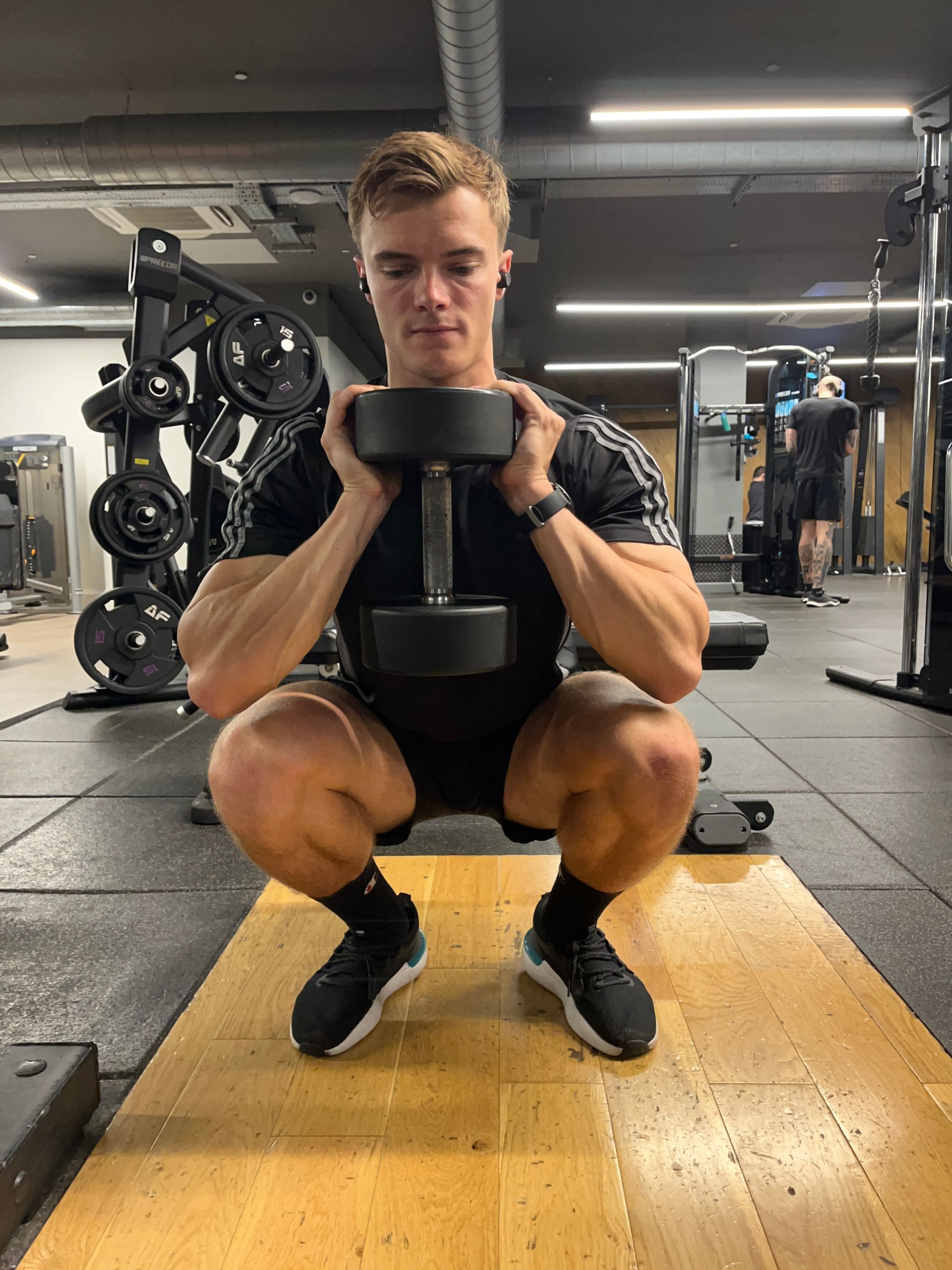
Good posture helps you lift safely and correctly. Stand straight with feet shoulder-width apart.
Keep your back straight and shoulders relaxed before lifting the dumbbell.
- Stand tall, chest up, and eyes forward
- Keep your core muscles tight
- Hold the dumbbell close to your body
- Bend your knees slightly for balance
Basic Dumbbell Lifting Techniques
Learning how to lift dumbbells correctly helps you avoid injuries. It also makes your workouts more effective.
Focus on your grip, breathing, and movement control for the best results. These basics form the foundation of good dumbbell lifting.
Proper Grip And Hand Position
Hold the dumbbell with a firm but comfortable grip. Your thumb should wrap around the handle opposite your fingers.
Keep your wrist straight and aligned with your forearm. Avoid bending your wrist to prevent strain.
- Use a neutral grip with palms facing each other for many exercises
- For curls, palms face up
- For presses, palms usually face forward
- Adjust hand position based on the exercise for comfort and safety
Breathing Patterns
Breathe out as you lift the dumbbell. This helps you use your strength better.
Inhale slowly as you lower the dumbbell. Controlled breathing keeps your body steady and focused.
- Exhale during the effort phase (lifting or pushing)
- Inhale during the easier phase (lowering or returning)
- Keep breathing steady and avoid holding your breath
Controlled Movements
Move the dumbbell slowly and with control. Fast or jerky motions can cause injury.
Focus on smooth lifting and lowering. This helps you work the muscles properly and stay safe.
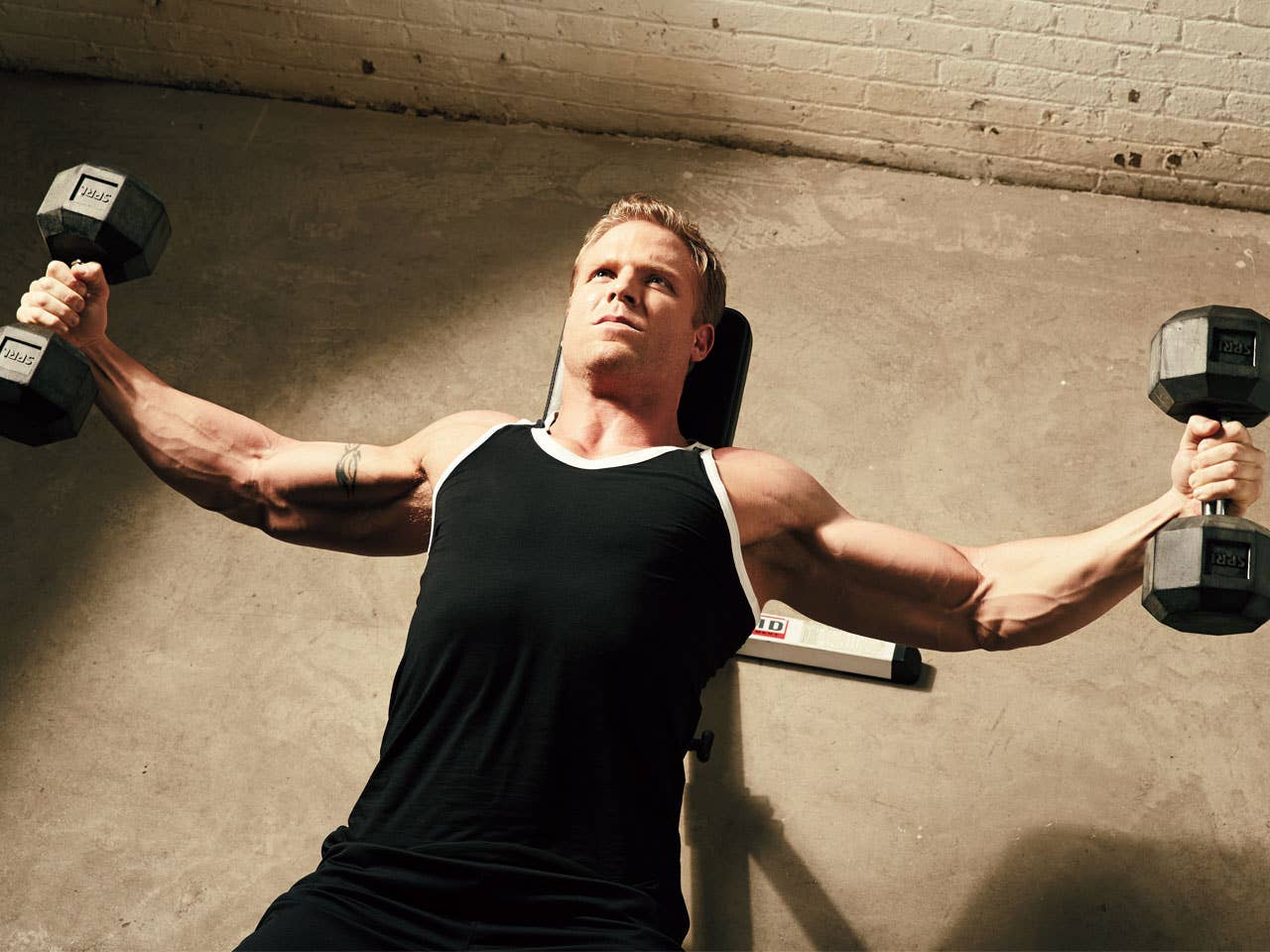
- Lift in a steady, controlled way
- Lower the weight slowly to increase muscle work
- Avoid swinging the dumbbells
- Keep your body stable during each movement
Credit: www.mensfitness.com
Common Dumbbell Exercises
Dumbbells are great tools for strength training. They help you work many muscle groups.
Here are some common dumbbell exercises you can try to build muscle and improve fitness.
Bicep Curls
Bicep curls target the muscles in the front of your upper arms. They help build arm strength.
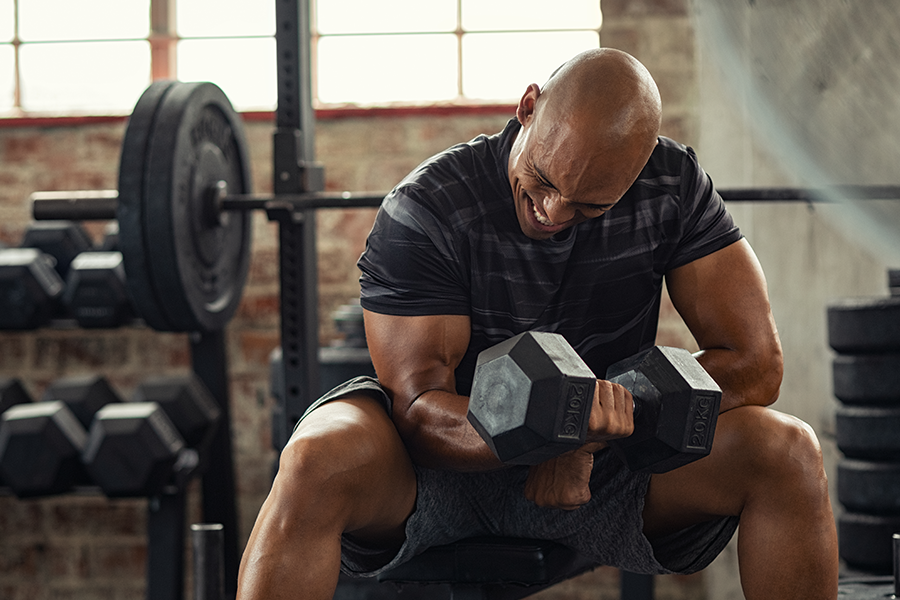
Hold a dumbbell in each hand with your palms facing forward. Bend your elbows and lift the dumbbells toward your shoulders. Lower them slowly back down.
Shoulder Press
The shoulder press works your shoulder muscles and upper arms. It helps improve overhead strength.
Hold dumbbells at shoulder height with your palms facing forward. Push the weights up until your arms are straight. Slowly lower them back down to your shoulders.
Dumbbell Rows
Dumbbell rows strengthen your back and arms. They help improve posture and upper body strength.
Bend at the hips with a dumbbell in each hand. Pull the dumbbells toward your chest, squeezing your shoulder blades together. Lower the weights back down slowly.
Lunges With Dumbbells
Lunges with dumbbells work your legs and glutes. They also improve balance and coordination.
Hold a dumbbell in each hand by your sides. Step forward with one leg and lower your body until your knees are bent at 90 degrees. Push back to the starting position and switch legs.
Avoiding Common Mistakes
Lifting dumbbells can build strength and improve fitness. Doing it the right way keeps you safe.
Many people make simple mistakes that can cause injury or slow progress. Avoiding these helps you get better results.
Overloading Weight
Choosing dumbbells that are too heavy can hurt your muscles and joints. Start with a weight you can control easily.
Lift weights that allow you to do the exercise with good form. Increase weight slowly as you get stronger.
- Pick weights you can lift 8-12 times without pain
- Avoid sudden jumps to heavier dumbbells
- Focus on control, not just lifting heavy
Incorrect Form
Bad form can cause injuries and reduce workout benefits. Keep your back straight and avoid swinging the dumbbell.
Use slow and steady movements. Watch yourself in a mirror or ask for help to check your form.
- Keep your wrist neutral, not bent
- Do not use momentum to lift
- Engage your core for stability
Neglecting Rest
Rest is important for muscles to recover and grow stronger. Avoid lifting every day without breaks.
Take at least one day off between workouts for the same muscle group. Rest helps prevent injuries and fatigue.
- Rest 48 hours between strength sessions
- Sleep well to support muscle repair
- Listen to your body and stop if you feel pain
Credit: www.dmoose.com
Progressing Safely
Lifting dumbbells can build strength if done safely. Progressing slowly helps avoid injury.
Focus on good form and listen to your body as you increase your workout.
Increasing Weight Gradually
Start with a weight you can lift easily for 10 to 12 reps. Add small weight increases over time.
Increase weight only when you can do all reps with good form and no pain.
- Add 2 to 5 pounds at a time
- Lift the new weight for 1 to 2 weeks before increasing more
- Rest enough between sets to keep good form
Tracking Your Progress
Write down your workout details to see your progress. Note weight, reps, and sets each session.
Tracking helps you know when to increase weight or change your routine safely.
- Record the dumbbell weight used
- Count the number of reps and sets completed
- Note how you feel during and after workouts
Incorporating Variation
Change your exercises to work different muscles and avoid boredom. Variation helps steady progress.
Try different grips, angles, or new dumbbell moves to keep your workouts effective and safe.
- Use hammer or reverse grips
- Try incline or decline bench presses
- Include single-arm or alternating lifts
Recovery And Injury Prevention
Knowing how to lift a dumbbell safely is important. Recovery helps your muscles grow and stay strong.
Injury prevention lets you keep working out without pain or breaks. Take care of your body after lifting.
Post-workout Stretching
Stretch your muscles after lifting dumbbells. Stretching helps reduce soreness and keeps muscles flexible.
Hold each stretch for at least 20 seconds. Focus on arms, shoulders, and back muscles used during lifting.
- Stretch your biceps and triceps gently
- Stretch your shoulder muscles slowly
- Stretch your back to ease tension
Rest Days Importance
Rest days let your muscles recover and get stronger. Without rest, your body can get tired and injured.
Take at least one or two rest days each week. Use this time to relax and avoid heavy lifting.
- Rest helps repair muscle fibers
- Prevents overuse injuries
- Improves overall strength and performance
Recognizing Warning Signs
Watch for pain that does not go away after exercise. Sharp or sudden pain is a sign to stop lifting.
Other signs include swelling, numbness, or weakness in your arms or shoulders. These need attention.
- Persistent joint or muscle pain
- Swelling or redness
- Loss of strength or feeling
- Sharp or stabbing pain during lifting
Credit: www.menshealth.com
Frequently Asked Questions
How Do I Properly Grip A Dumbbell?
Grip the dumbbell firmly with your palm facing inward. Keep your wrist straight to avoid strain. A secure grip ensures safe and effective lifting.
What Is The Correct Posture For Lifting Dumbbells?
Stand with feet shoulder-width apart. Keep your back straight and engage your core. Proper posture prevents injuries and improves workout efficiency.
How Many Repetitions Should I Do When Lifting Dumbbells?
Start with 8 to 12 repetitions per set. Adjust based on your fitness level and goals. This range builds muscle strength and endurance effectively.
Can Beginners Lift Heavy Dumbbells Safely?
Beginners should start with lighter weights to master form. Gradually increase weight as strength improves. This approach minimizes injury risks and promotes progress.
Conclusion
Lifting a dumbbell safely helps you build strength and stay healthy. Start with light weights to avoid injury. Keep your back straight and use smooth movements. Practice often to improve your form and muscle control. Remember, slow and steady wins the race.
Stay consistent, and your effort will pay off. Small steps lead to big progress. Keep your focus and enjoy the journey.


