

If you want to build a stronger back and improve your posture, dumbbell bent over rows are one of the best exercises you can do. But are you sure you’re doing them the right way?
Using the wrong form can waste your effort and even cause injury. You’ll learn exactly how to perform dumbbell bent over rows step by step. By the time you finish reading, you’ll know how to maximize your results safely and efficiently.
Ready to take your workouts to the next level? Let’s dive in.

Credit: uk.style.yahoo.com
Benefits Of Dumbbell Bent Over Rows
Dumbbell bent over rows are a great exercise for your back. They help build strength and improve posture.
This exercise targets multiple muscle groups and enhances your overall fitness. It is simple to perform and highly effective.
Muscle Groups Targeted
Dumbbell bent over rows work several muscles in your upper body. They focus mainly on the back.
These rows also engage your arms and shoulders. Core muscles stabilize your body during the movement.
- Latissimus Dorsi
- Trapezius
- Rhomboids
- Biceps
- Forearms
Improved Posture And Strength
Regularly doing dumbbell bent over rows strengthens your back. A strong back helps maintain good posture.
This exercise also boosts your overall upper body strength. Improved strength supports daily activities and reduces injury risk.
Equipment And Setup
Doing dumbbell bent over rows needs the right equipment and a good setup. This helps you exercise safely and effectively.
Focus on choosing dumbbells that fit your strength and prepare your space for easy movement and safety.
Choosing The Right Dumbbells
Pick dumbbells that match your current strength level. Start with lighter weights to learn proper form.
Adjust the weight as you get stronger. Dumbbells should feel challenging but not too heavy.
- Use weights that let you do 8 to 12 reps comfortably
- Choose dumbbells with a good grip
- Adjustable dumbbells save space and offer variety
- Start light to avoid injury
Preparing Your Workout Space
Clear enough room to move freely without obstacles. This prevents accidents and helps you focus.
Use a flat, stable surface to stand on. Good footing keeps your balance during the exercise.
- Remove any tripping hazards
- Make sure the floor is not slippery
- Have a towel or mat nearby for comfort
- Good lighting helps you see your form
Step-by-step Technique
The dumbbell bent over row works your back muscles. It also helps improve posture and strength.
Follow these steps to do the exercise safely and correctly.
Starting Position
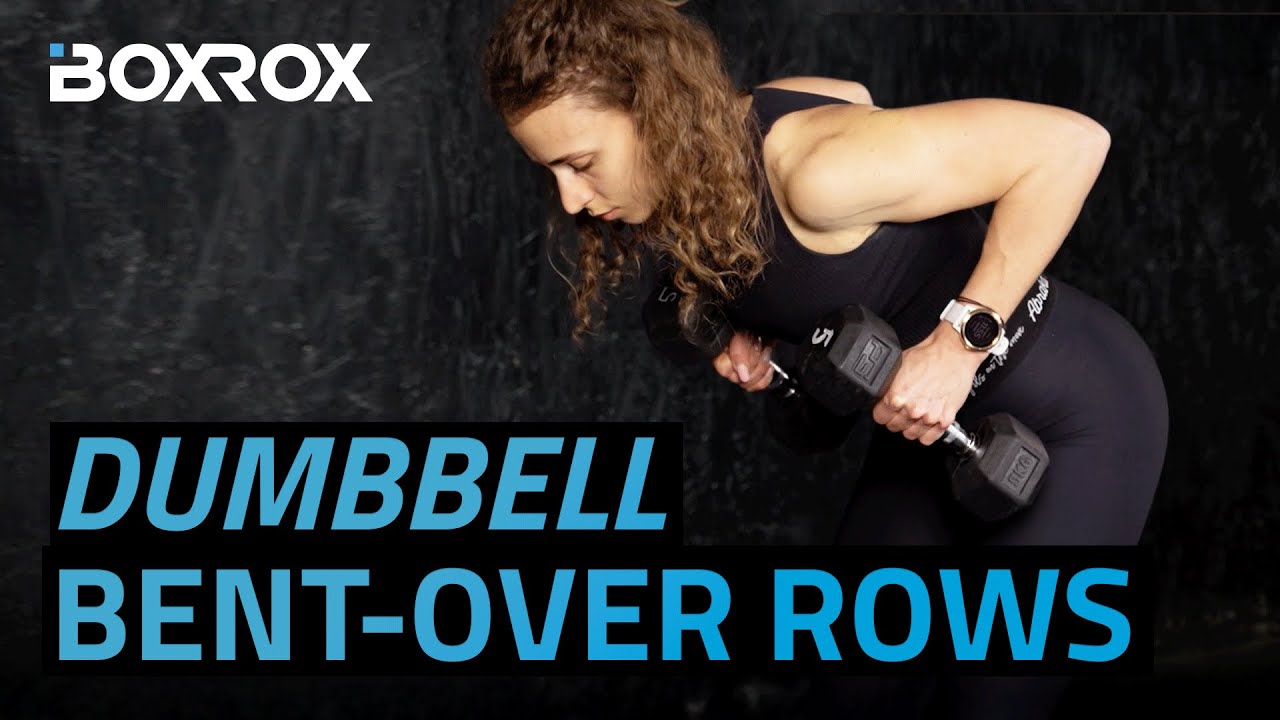
Stand with feet shoulder-width apart. Hold a dumbbell in each hand with palms facing your body.
Bend your knees slightly. Lean forward from your hips until your torso is almost parallel to the floor.
- Keep your back straight and chest up
- Let the dumbbells hang at arm’s length
- Keep your head in line with your spine
Executing The Row
Pull the dumbbells towards your waist. Focus on squeezing your shoulder blades together.
Pause briefly at the top of the movement. Lower the weights slowly back to the starting position.
- Keep your elbows close to your body
- Do not use momentum to lift the weights
- Control the movement both up and down
Breathing Tips
Inhale deeply before you start the row. Hold your breath as you lift the dumbbells.
Exhale slowly as you lower the weights back down. Keep a steady breathing rhythm throughout the exercise.
- Breathe in on the way up
- Breathe out on the way down
- Do not hold your breath too long
Credit: www.youtube.com
Common Mistakes To Avoid
Doing dumbbell bent over rows with wrong form can cause injury. It also lowers workout results. Focus on avoiding common mistakes.
Fixing these errors helps you get stronger and safer. Pay attention to your back, elbows, and movement style.
Rounding The Back
Rounding your back puts stress on your spine. It can lead to pain or injury. Keep your back flat and chest up during the exercise.
Engage your core muscles to support your back. Try to keep a neutral spine from head to hips.
- Stand with feet hip-width apart
- Bend at hips, not waist
- Keep shoulders back and down
- Look slightly ahead, not down
Using Momentum
Swinging the dumbbells uses momentum, not muscle strength. This reduces the workout’s effectiveness. Lift the weights slowly and with control.
Pause briefly at the top of the movement. Lower the dumbbells slowly to keep tension on your muscles.
- Start the lift with your back and arm muscles
- Avoid jerky or fast movements
- Control the weight both up and down
- Keep breathing steady and even
Incorrect Elbow Position
Elbows too far out or too close changes the muscle focus. It may also strain your shoulders. Keep your elbows close to your body during the row.
Your elbows should move backward, not sideways. This targets your upper back muscles better.
- Pull elbows straight back
- Keep elbows near your torso
- Avoid flaring elbows out wide
- Focus on squeezing shoulder blades together
Variations For Different Goals
Dumbbell bent over rows are great for building back strength. You can change the way you do them to focus on different muscles and goals.
Here are some common variations to help you target muscles differently or adjust the difficulty.
Single-arm Rows
Single-arm rows let you focus on one side at a time. This helps fix muscle imbalances and improve control.
Keep your back flat and pull the dumbbell to your hip. Use your core to stay stable.
- Works each side independently
- Improves balance and coordination
- Allows a greater range of motion
Incline Bench Rows
Incline bench rows use a bench to support your chest. This helps reduce stress on your lower back.
Lie face down on an incline bench and row the dumbbells up. This isolates the upper back muscles well.
- Reduces lower back strain
- Targets upper back muscles
- Good for beginners or rehab
Tempo Variations
Changing the speed of your rows affects muscle tension. Slow tempo builds strength and control.
Try counting 3 seconds lifting, 1 second hold, and 3 seconds lowering. This increases muscle time under tension.
- Slower tempo improves muscle growth
- Faster tempo builds power and endurance
- Use holds to increase muscle activation
Integrating Rows Into Your Routine
Dumbbell bent over rows work your back muscles well. Adding them to your workout helps build strength and improve posture.
You can fit rows into many workout plans. They pair nicely with other exercises for a balanced routine.
Sets And Reps Recommendations
For strength, do 3 to 4 sets of 6 to 8 reps. Use a weight that feels hard but safe.
To build muscle endurance, try 3 sets of 12 to 15 reps. Choose lighter weights and focus on good form.
- 3-4 sets, 6-8 reps for strength
- 3 sets, 12-15 reps for endurance
- Rest 60-90 seconds between sets
Combining With Other Exercises
Dumbbell rows work best with exercises that target other muscle groups. This creates a full-body workout.
Pair rows with push movements like push-ups or dumbbell presses. Add leg exercises to cover the lower body.
- Dumbbell rows with push-ups or dumbbell presses
- Squats or lunges for lower body strength
- Core exercises like planks or crunches
- Stretching to improve flexibility
Safety Tips And Injury Prevention
Doing dumbbell bent over rows can build strong back muscles. You must use safe techniques to avoid injury.
Focus on form and control. This helps protect your joints and muscles during the exercise.
Warm-up Essentials
Warming up prepares your body for exercise. It raises your heart rate and loosens your muscles.
Spend 5 to 10 minutes warming up before doing rows. This reduces the risk of strains.
- Start with light cardio like walking or cycling
- Do dynamic stretches for your shoulders and back
- Perform a few reps with light dumbbells before heavy sets
Listening To Your Body
Pay attention to how your body feels during the exercise. Stop if you feel sharp pain or discomfort.
Rest if you feel tired or your form starts to slip. Proper recovery helps prevent injuries.
- Keep your back straight and core tight to avoid strain
- Use weights you can control without shaking
- Don’t push through pain; adjust or stop the exercise

Credit: www.womenshealthmag.com
Frequently Asked Questions
What Muscles Do Dumbbell Bent Over Rows Target?
Dumbbell bent over rows primarily work the upper back muscles. They also engage the lats, rhomboids, traps, and biceps. This exercise improves posture and builds upper body strength effectively.
How Do You Maintain Proper Form During Bent Over Rows?
Keep your back straight and core tight. Bend at the hips, not the waist. Pull dumbbells towards your hips, squeezing shoulder blades together. Avoid rounding your shoulders or using momentum.
How Many Sets And Reps Are Ideal For Beginners?
Start with 3 sets of 8-12 reps. Use light to moderate weights for control. Focus on form before increasing weight or volume to prevent injury.
Can Dumbbell Bent Over Rows Help With Posture Improvement?
Yes, this exercise strengthens upper back muscles that support good posture. Regular practice can reduce slouching and shoulder rounding, promoting a stronger and healthier back alignment.
Conclusion
Dumbbell bent over rows build strong back muscles and improve posture. Use light weights first to learn the right form. Keep your back straight and avoid swinging your body. Regular practice helps increase strength and endurance. This exercise fits well in any workout routine.
Stay consistent, and you will see progress over time. Remember, good technique prevents injury and boosts results. Try to add bent over rows for a balanced, strong upper body. Keep it simple and steady for best gains.


