

Are you looking to get stronger without spending a fortune on gym equipment? Imagine having your own set of dumbbells right at home, made by you, exactly how you want them.
DIY dumbbells are not only budget-friendly but also a fun project that gives you control over your workout gear. You’ll discover easy steps to create your own dumbbells, save money, and stay motivated to reach your fitness goals. Ready to take charge of your strength training?
Keep reading—you’re just a few simple moves away from building your perfect dumbbells.
Benefits Of Diy Dumbbells
Making your own dumbbells at home is a smart choice. DIY dumbbells offer many advantages for fitness enthusiasts.
They are easy to make and can be customized to fit your needs. Plus, they save money compared to store-bought options.
Cost Savings Compared To Store-bought
DIY dumbbells are much cheaper than buying them. You can use common items found at home, like water bottles or sandbags.
Store-bought dumbbells can be expensive. By making your own, you save money and still get a great workout.
Customization For Personal Needs
With DIY dumbbells, you can choose the weight that suits you best. Adjust the weight by adding or removing materials.
Customizing your dumbbells helps you target specific muscles. This flexibility makes workouts more effective.
Convenience Of Home Workouts
DIY dumbbells allow you to work out at home anytime. You don’t need to go to a gym or buy expensive equipment.
Home workouts save time and are more comfortable. You can exercise in your own space without any hassle.
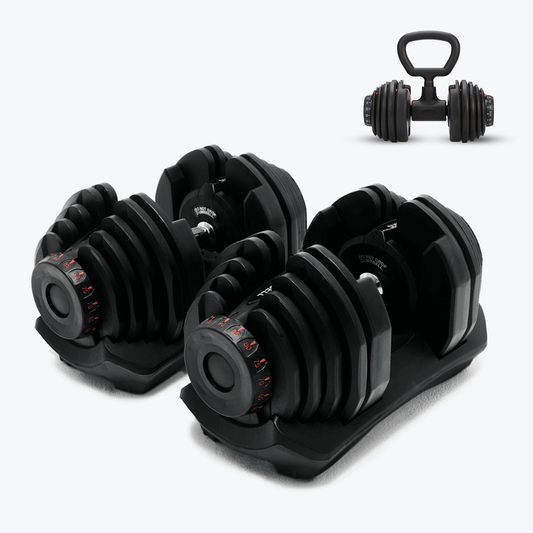
Credit: montrealweights.ca
Materials You’ll Need
Making your own dumbbells is an easy and fun project. You only need a few items that you can find at home or buy cheaply.
This guide will help you gather the right materials. Use what you have to build safe and strong dumbbells.
Common Household Items
You can use many everyday items to make dumbbells. These materials add weight and shape to your equipment.
- Empty plastic bottles (filled with water or sand)
- Old cans or jars filled with concrete or sand
- Rope or strong tape to hold parts together
- Wooden sticks or metal rods for handles
- Sand, gravel, or small stones for weight
Basic Tools Required
You will need a few simple tools to assemble your dumbbells. These tools help cut, join, and secure the materials.
- Scissors or utility knife for cutting bottles and tape
- Measuring tape or ruler to size handles
- Glue gun or strong adhesive for sticking parts
- Drill or screwdriver if using screws or bolts
- Marker to mark cutting and joining points
Safety Gear To Consider
Safety is important when making dumbbells. Use gear to protect yourself while working.
- Work gloves to protect your hands
- Safety goggles to shield your eyes
- Mask to avoid dust or fumes
- Closed-toe shoes to protect feet
- Clean workspace with good lighting
Simple Diy Dumbbell Designs
Making your own dumbbells at home is easy and affordable. You can use items you already have to create weights.
These simple designs help you stay fit without buying expensive gym equipment.
Water Bottle Dumbbells
Fill plastic water bottles with water or sand to make light dumbbells. Use bottles with handles for a better grip.
You can adjust the weight by adding more or less water or sand. These dumbbells are easy to hold and safe to use indoors.
- Use bottles of the same size for balance
- Seal caps tightly to avoid spills
- Label the bottles to know the weight
Sand-filled Containers
Use empty containers like milk jugs or plastic cans and fill them with sand. This creates heavier dumbbells for stronger workouts.
Make sure to close the containers tightly. You can add tape around the handle for a better grip and comfort.
- Choose containers with sturdy handles
- Fill sand slowly to reach the desired weight
- Check for leaks before using
Concrete Molded Weights
Pour concrete into molds or containers to make solid dumbbells. Insert a strong rod or pipe as a handle before the concrete dries.
These weights are durable and can be made in different sizes. Use gloves and work in a ventilated area when handling concrete.
- Use plastic pipes or metal rods as handles
- Choose molds in the shape you like
- Let concrete dry fully before use

Credit: www.amazon.ca
Step-by-step Construction Tips
Making your own dumbbells at home saves money and lets you customize weights. Follow clear steps to build safe and sturdy dumbbells.
This guide shows you how to prepare materials, assemble parts, and secure the weights firmly.
Preparing Materials
Gather all materials before starting. This helps you work smoothly and avoid interruptions.
- Two sturdy metal pipes or thick wooden rods for handles
- Weights such as filled water bottles, sandbags, or metal plates
- Strong tape or clamps to hold weights in place
- Protective gloves and safety glasses
- A wrench or screwdriver if needed for assembly
Assembling The Dumbbells
Start by attaching the weights to each end of the handle. Make sure they balance well on both sides.
If you use bottles or bags, fill them evenly. For plates, slide them onto the rods carefully.
- Place the handle on a flat surface
- Attach weights evenly on each side
- Check that weights do not shift or slide
- Adjust weight amounts if needed for balance
Securing The Weight
Use tape, clamps, or collars to keep weights from moving during exercise. This step is key for safety.
Wrap tape tightly or tighten clamps securely. Test the dumbbells before use to ensure stability.
- Wrap strong tape around weight connections
- Use clamps or collars if available
- Make sure nothing wiggles or slides
- Lift the dumbbells a few times to test
Weight Adjustment Techniques
Adjusting the weight of DIY dumbbells lets you customize your workout. You can increase or decrease the load easily.
Use simple techniques to change weight without buying new equipment. This saves money and adds flexibility.
Adding Or Removing Fillers
You can add or remove fillers inside hollow dumbbells to change their weight. Common fillers include sand, water, or small stones.
Fillers are easy to handle and let you adjust weight in small steps. Make sure to seal the dumbbell well after filling.
- Use a funnel to add sand or small stones
- Fill water slowly to reach the desired weight
- Seal openings tightly to prevent leaks
- Remove fillers carefully to reduce weight
Using Removable Attachments
Removable attachments like plates or weights make changing dumbbell weight simple. Attach or detach them as needed.
Many DIY dumbbells use screws or clips to hold these attachments. This method is quick and keeps weights secure during exercises.
- Choose attachments that fit your dumbbell handles
- Secure attachments tightly to avoid slipping
- Use washers or spacers for a snug fit
- Check attachments before each workout
Balancing For Stability
Balance the weight evenly on both sides of the dumbbell. This helps prevent wrist strain and improves control.
Uneven weight can cause wobbling or injury. Measure and adjust fillers or attachments to keep the dumbbell steady.
- Use a scale to check each side’s weight
- Add small fillers to the lighter side if needed
- Make sure attachments are the same size and weight
- Test stability before starting exercises

Credit: www.youtube.com
Safety And Maintenance
Do it yourself dumbbells need careful attention to stay safe. Regular checks and cleaning help them last longer.
Good storage and maintenance keep your dumbbells in top shape. This prevents injuries and damage during use.
Checking Structural Integrity
Look over your dumbbells before each use. Check for cracks, loose parts, or rust that could cause problems.
If you find any damage, fix it or stop using the dumbbells. Safety is the most important thing.
- Inspect handles for cracks or breaks
- Make sure weights are tightly secured
- Look for rust or corrosion on metal parts
- Test for wobbling or loose pieces
Storing Your Dumbbells Properly
Keep your dumbbells in a dry, cool place. Avoid areas where they can get wet or damp to prevent rust.
Store them off the floor if possible. Use racks or shelves to keep them safe and easy to reach.
- Use a sturdy rack for storage
- Keep dumbbells away from moisture
- Place them where they won’t fall or roll
- Organize by weight for easy access
Routine Cleaning Tips
Clean your dumbbells regularly to remove sweat and dirt. This stops damage and keeps them safe.
Use a damp cloth with mild soap to wipe them down. Dry thoroughly to avoid rust or mold growth.
- Wipe down after each workout
- Use gentle cleaners, avoid harsh chemicals
- Dry completely before storing
- Check and clean handles and weights separately
Incorporating Diy Dumbbells In Workouts
DIY dumbbells are a great way to add weight to your exercises at home. You can use simple materials to make your own dumbbells.
Using DIY dumbbells helps you build strength without needing expensive equipment. They fit well into many workout routines.
Upper Body Exercises
DIY dumbbells are perfect for upper body workouts. They add resistance to your arms, shoulders, and chest exercises.
Try simple moves like bicep curls, shoulder presses, and tricep extensions. These help tone and strengthen your muscles.
- Bicep curls to build arm strength
- Shoulder presses for strong shoulders
- Tricep extensions to tone the back of arms
- Lateral raises to work side shoulders
Lower Body Moves
Adding DIY dumbbells to leg workouts increases muscle power. Hold them while doing squats, lunges, or calf raises.
These moves help build stronger legs and improve balance. Using weights challenges your muscles more than bodyweight alone.
- Squats with dumbbells to strengthen thighs
- Lunges for leg and hip muscles
- Calf raises to build lower leg strength
- Step-ups with weights to improve balance
Full-body Routines
DIY dumbbells work well in full-body workouts. They add weight to exercises that use many muscles at once.
Combine moves like dumbbell swings, deadlifts, and clean and press. These exercises improve strength and coordination.
- Dumbbell swings to engage core and legs
- Deadlifts for back and hamstrings
- Clean and press to work full body
- Renegade rows for back and arms
Troubleshooting Common Issues
Building your own dumbbells can save money and offer customization. Sometimes, small problems arise during use.
This guide helps fix common issues with DIY dumbbells. Simple fixes keep your workout safe and effective.
Dealing With Weight Imbalance
Weight imbalance can make exercises unsafe. Check if both sides of the dumbbell have equal weight.
Uneven weight can cause strain or injury. Adjust the plates or materials to balance the dumbbell.
- Use a scale to weigh each side carefully
- Add or remove weight to achieve balance
- Secure weights firmly to avoid shifting
- Test by lifting slowly and noting any pull
Fixing Loose Components
Loose parts can cause noise or fall off during workouts. Tighten screws, bolts, or clamps regularly.
Use tools like wrenches or pliers to secure all components. Add thread locker glue for extra hold if needed.
- Check all fasteners before each use
- Replace worn washers or nuts
- Use locking nuts or safety pins
- Inspect for cracks or damage often
Improving Grip Comfort
Comfortable grip helps prevent hand pain and slipping. Add padding or wrap handles with grip tape.
Choose materials that absorb sweat and provide a firm hold. Replace grips if they wear out or become slippery.
- Use foam tubes or rubber sleeves for padding
- Wrap handles with athletic or grip tape
- Keep grips clean and dry
- Consider textured surfaces for better hold
Frequently Asked Questions
What Materials Do I Need To Make Diy Dumbbells?
You need sturdy pipes, strong weights like cement or sandbags, and secure fittings. Use durable materials for safety. Gather tools like a wrench and tape to assemble parts tightly.
How Much Weight Can Diy Dumbbells Hold Safely?
DIY dumbbells can hold 10-50 pounds safely, depending on materials. Ensure secure assembly and test weight gradually. Avoid overloading to prevent damage or injury.
Are Diy Dumbbells Cost-effective Compared To Store-bought?
Yes, DIY dumbbells cost less by using affordable materials. They save money and allow customization. However, quality varies, so ensure proper construction for safety.
How Can I Customize Diy Dumbbells For Different Workouts?
Adjust weight by adding or removing filler materials like sand or water. Use different pipe lengths for grip variation. Customize shape for comfort and specific exercise needs.
Conclusion
Making your own dumbbells saves money and space at home. You control the weight and design to fit your needs. DIY dumbbells offer a simple way to stay active and healthy. Plus, creating them can be a fun and rewarding project.
Start small, build up, and enjoy your workouts anytime. No need to wait for the gym or spend a lot. Give it a try and feel the difference yourself.


