

Are you wondering if you can build real muscle using just dumbbells? The answer might surprise you.
You don’t need a fancy gym or expensive machines to get stronger and see results. With the right approach, dumbbells alone can help you sculpt your body, boost your strength, and transform your physique. Keep reading to discover how to make the most of your dumbbells and unlock your muscle-building potential—no matter where you are or what your fitness level is.
Benefits Of Dumbbell Training
Dumbbells are excellent tools for building muscle. They offer many benefits for those looking to improve their strength and fitness levels.
Using dumbbells can enhance your workout experience. They provide unique advantages that other equipment may not offer.
Versatility And Range Of Motion
Dumbbells allow for a wide range of exercises. You can target almost every muscle group with them.
They also offer a greater range of motion. This helps in improving flexibility and muscle strength.
- Chest presses and flyes
- Bicep curls and tricep extensions
- Squats and lunges
Improved Muscle Balance
Working with dumbbells can help balance muscle development. Each arm works independently, correcting strength imbalances.
This can lead to better symmetry in muscle growth. It also helps in preventing injuries due to uneven strength.
Convenience And Accessibility
Dumbbells are easy to use and store. You can have a great workout at home without needing much space.
They are also cost-effective. This makes them accessible to most people looking to start strength training.
| Benefits | Details |
| Cost | Affordable |
| Space | Compact |
| Usage | Easy |

Credit: www.youtube.com
Key Muscle Groups To Target
You can build muscle using just dumbbells. Focus on major muscle groups for best results. Targeting these muscles helps create balanced strength.
Dumbbells allow many exercises to work different muscles. Knowing which muscles to focus on helps you plan your workouts well.
Upper Body Muscles
The upper body includes muscles like the chest, back, shoulders, and arms. Dumbbell exercises can help strengthen all these areas.
For example, dumbbell presses work the chest, rows target the back, and curls build arm muscles. Shoulder presses improve shoulder strength.
- Chest: dumbbell bench press, flyes
- Back: dumbbell rows, reverse flyes
- Shoulders: dumbbell shoulder press, lateral raises
- Arms: bicep curls, tricep extensions
Lower Body Muscles
Lower body muscles include the legs, hips, and glutes. Dumbbells add resistance to exercises that build these muscles.
Squats and lunges with dumbbells target the thighs and glutes. Deadlifts work the hamstrings and lower back. These moves improve strength and shape.
- Quads: dumbbell squats, lunges
- Hamstrings: dumbbell deadlifts
- Glutes: dumbbell hip thrusts, step-ups
- Calves: dumbbell calf raises
Core Strength
The core includes the abs, obliques, and lower back muscles. Strong core muscles help with balance and stability.
Dumbbells add challenge to core exercises. Weighted Russian twists, dumbbell side bends, and dumbbell woodchoppers work the core effectively.
- Abs: dumbbell crunches, weighted sit-ups
- Obliques: dumbbell side bends, Russian twists
- Lower back: dumbbell deadlifts, superman holds
Effective Dumbbell Exercises
Dumbbells are simple tools for building muscle at home or in the gym. They allow many exercises that target different muscles.
Using dumbbells helps improve strength and muscle size. You can work all body parts with just dumbbells.
Chest And Back Moves
Dumbbells help build your chest and back muscles well. You can do presses and rows to work these areas.
These exercises increase muscle strength and size in your upper body.
- Dumbbell Chest Press: Lie on a bench, push dumbbells up, then down.
- Dumbbell Flyes: Open arms wide with dumbbells, then bring them together.
- One-Arm Dumbbell Row: Pull dumbbell up to your side, then lower slowly.
- Reverse Flyes: Bend forward, lift dumbbells out to the sides.
Arm And Shoulder Workouts
Dumbbells are great for toning your arms and shoulders. You can do curls and presses to work these muscles.
These moves build strength and improve muscle shape.
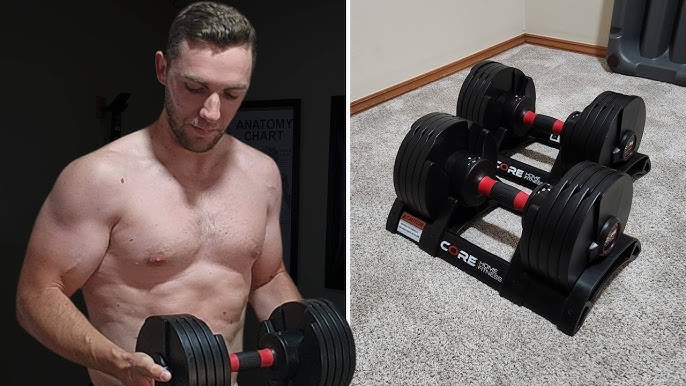
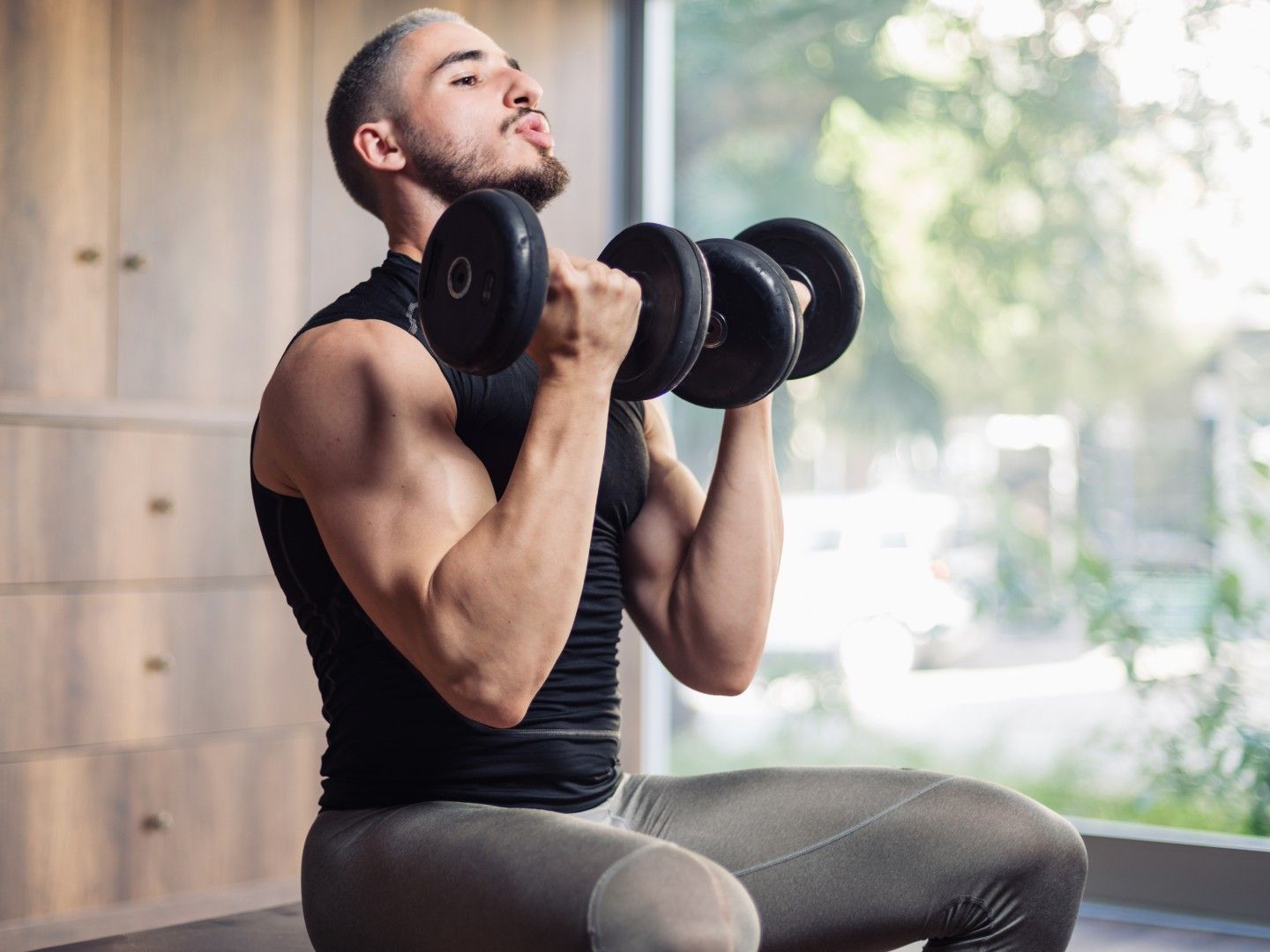
- Bicep Curls: Lift dumbbells by bending your elbows.
- Tricep Kickbacks: Extend your arms back with dumbbells.
- Shoulder Press: Push dumbbells overhead from shoulder level.
- Lateral Raises: Lift dumbbells sideways to shoulder height.
Leg And Glute Routines
Dumbbells add resistance to leg and glute workouts. Squats and lunges with dumbbells build lower body muscles.
These exercises improve muscle size and strength in your legs and hips.
- Dumbbell Squats: Hold dumbbells and squat down, then stand up.
- Lunges: Step forward with dumbbells in hand, then return.
- Glute Bridges: Place dumbbell on hips and lift your hips up.
- Step-Ups: Step onto a bench holding dumbbells, then step down.
Core Stabilizing Exercises
Dumbbells help strengthen your core by adding weight to stability moves. These exercises improve balance and muscle control.
Strong core muscles support your whole body during workouts and daily activities.
- Russian Twists: Sit, hold one dumbbell, twist your torso side to side.
- Dumbbell Side Bends: Stand, bend sideways holding a dumbbell.
- Weighted Sit-Ups: Hold a dumbbell on your chest and sit up.
- Plank Rows: In plank position, row dumbbells one arm at a time.
Credit: www.youtube.com
Building Muscle With Dumbbells
Dumbbells are a simple tool to build muscle at home or gym. They allow you to work many muscle groups effectively.
Using dumbbells can increase strength and size if you train correctly. Focus on good form and consistent effort.
Progressive Overload Techniques
Progressive overload means making your muscles work harder over time. This helps muscles grow stronger and bigger.
You can increase weight, do more reps, or add extra sets to challenge your muscles.
- Increase dumbbell weight gradually
- Add more repetitions per set
- Include extra sets in your workout
- Slow down movement for more tension
Optimal Sets And Reps
To build muscle, aim for 3 to 4 sets per exercise. Each set should have 8 to 12 repetitions.
This range helps create muscle tension and fatigue, which encourages growth.
- 3-4 sets per exercise
- 8-12 repetitions per set
- Use a weight that feels challenging by the last rep
Rest And Recovery
Rest is important to let muscles heal and grow. Avoid working the same muscle group every day.
Take 48 hours between sessions for the same muscles and get enough sleep each night.
- Rest 48 hours before training the same muscles
- Sleep 7 to 9 hours for muscle repair
- Eat protein to support muscle recovery
Creating A Dumbbell Workout Plan
Building muscle with dumbbells is possible if you plan your workouts well. Dumbbells let you target many muscles at home or in the gym.
A good workout plan helps you work all muscle groups and avoid injury. It also keeps your routine fresh and effective.
Balancing Push And Pull Movements
Push exercises work muscles that push weight away from your body. Pull exercises work muscles that pull weight toward you. Balancing these keeps muscles strong and healthy.
Use dumbbell moves like presses for push and rows for pull. This balance helps prevent muscle pain and imbalances.
- Push: Dumbbell chest press, shoulder press, tricep extensions
- Pull: Dumbbell rows, bicep curls, reverse flyes
Incorporating Full-body Sessions
Full-body workouts use dumbbells to work many muscles in one session. This saves time and builds muscle evenly.
Include exercises that target legs, back, chest, and arms. This helps your body stay balanced and strong.
- Squats with dumbbells for legs
- Dumbbell rows for back
- Dumbbell chest press for chest
- Bicep curls and tricep extensions for arms
Scheduling And Frequency
Plan to work out 3 to 4 times a week with dumbbells. This gives muscles time to rest and grow.
Rest days are important. Avoid working the same muscle groups two days in a row to prevent injury.
- Day 1: Full-body dumbbell workout
- Day 2: Rest or light activity
- Day 3: Full-body dumbbell workout
- Day 4: Rest or light activity
- Day 5: Optional full-body or focused workout
Common Mistakes To Avoid
Building muscle with dumbbells works well if you do it right. Many people make simple mistakes that slow progress. Avoiding these errors helps you get better results faster.
Focus on good habits from the start. This guide covers common mistakes that can hurt your muscle gains.
Poor Form And Technique
Using wrong form with dumbbells can cause injuries. It also stops muscles from working properly. Good technique targets the right muscles and avoids strain.
Take time to learn each exercise. Use a mirror or ask for help to check your form. Start with lighter weights to practice before lifting heavy.
- Keep your back straight during lifts
- Move in controlled, smooth motions
- Avoid swinging dumbbells too fast
- Engage your core for balance
- Don’t lock your joints fully
Neglecting Warm-up And Stretching
Skipping warm-up raises injury risk and lowers performance. Warm muscles work better and recover faster. Stretching improves flexibility and reduces soreness.
Spend at least 5 minutes warming up before dumbbell exercises. Use light cardio or dynamic stretches to get blood flowing.
- Do arm circles and leg swings
- Try light dumbbell movements first
- Stretch major muscle groups after workouts
- Focus on shoulders, arms, and back
Ignoring Nutrition And Hydration
Muscles need fuel to grow. Poor nutrition slows your progress even with hard workouts. Drinking water keeps your body working well and helps muscles recover.
Eat protein with every meal to repair muscles. Drink water before, during, and after exercise to stay hydrated.
- Choose lean meats, beans, and nuts for protein
- Eat fruits and vegetables for vitamins
- Drink at least 8 cups of water daily
- Avoid sugary drinks before workouts
Tracking Progress And Staying Motivated
Building muscle with just dumbbells is possible if you stay focused. Tracking your progress helps you see gains. It also keeps you motivated to keep going.
Without tracking, it is easy to lose direction. You might stop improving or feel less motivated. Use simple tools to follow your workouts and results.
Using Workout Logs
Workout logs help you record your exercises, sets, and reps. Writing down your routine shows what works best for muscle growth. You can see when to increase weight or reps.
Logs also remind you of your achievements. This can boost your confidence and keep you training regularly. Use a notebook or phone app to track your dumbbell workouts.
- Note the dumbbell weight used
- Record number of sets and reps
- Track rest time between sets
- Write down any new exercises
Setting Realistic Goals
Set clear and simple goals for your muscle building. Goals should be easy to understand and reach. This helps you stay focused and avoid frustration.
For example, aim to increase your dumbbell weight by 2 pounds every two weeks. Or plan to add one more set to your workout each week. Small steps add up to big results.
- Set goals for strength or size
- Make goals time-based and specific
- Adjust goals if they seem too hard
- Celebrate when you reach a goal
Mixing Up Your Routine
Changing your exercises keeps your muscles growing. Doing the same dumbbell moves can cause a plateau. Try new exercises or change how many reps you do.
Mixing up your routine also keeps workouts fun. You stay motivated and avoid boredom. Use different grips, angles, or tempos with your dumbbells.
- Switch between bicep curls and hammer curls
- Change rep ranges from 8 to 15
- Use slower or faster movement speeds
- Try dumbbell exercises for different muscles
Credit: www.tomsguide.com
Frequently Asked Questions
Can You Build Muscle Using Only Dumbbells?
Yes, dumbbells effectively build muscle by targeting various muscle groups. They allow strength progression and improve muscle balance and coordination.
How Often Should You Train With Dumbbells?
Training with dumbbells 3-4 times a week is ideal. It allows muscle recovery and steady strength gains without overtraining.
What Exercises Build Muscle Best With Dumbbells?
Squats, lunges, presses, curls, and rows are top dumbbell exercises. They engage multiple muscles and promote balanced muscle growth.
Is Muscle Growth Possible Without Heavy Weights?
Yes, muscle growth can occur with moderate dumbbell weights. Progressive overload and proper form are key for continuous gains.
Conclusion
Dumbbells offer a simple way to build muscle at home or gym. You can target many muscle groups with them. Regular workouts and good form bring steady results. Vary your exercises to keep muscles growing. Rest and proper nutrition also play big roles.
Anyone can get stronger using just dumbbells. It takes time, effort, and consistency. Start small and increase weight as you improve. Dumbbells make muscle building easy and flexible. Give it a try and see the progress yourself.


