

If you want to build strength, tone your muscles, and improve your posture, deadlifting with dumbbells is a powerful move you don’t want to miss. But maybe you’re unsure how to do it right or worried about hurting yourself.
Don’t worry—this guide will walk you through every step, making it simple and safe for you. By the end, you’ll feel confident adding this exercise to your routine and seeing real results. Ready to lift smarter and stronger? Let’s dive in!
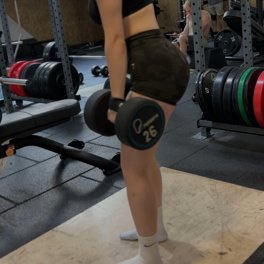
Credit: gravitus.com
Benefits Of Dumbbell Deadlifts
Dumbbell deadlifts are a great exercise for many people. They help build strength and improve fitness.
Using dumbbells offers unique benefits. They are versatile and effective for different fitness goals.
Muscle Groups Targeted
Dumbbell deadlifts work many muscles. They target the legs, back, and core.
They help strengthen the hamstrings, glutes, and lower back. This makes them a complete body workout.
- Hamstrings
- Glutes
- Lower back
- Core muscles
Improved Stability And Balance
Using dumbbells helps with balance. They require more control than barbells.
This improves your stability. It makes your muscles work harder to stay balanced.
- Enhances coordination
- Strengthens stabilizing muscles
- Promotes better posture
Convenience And Accessibility
Dumbbells are easy to find. Most gyms have them, and they are affordable for home use.
They do not take up much space. You can do deadlifts at home or in a gym.
- Easy to store
- Available in various weights
- Portable for travel workouts

Credit: uk.style.yahoo.com
Choosing The Right Dumbbells
Picking the right dumbbells is key to doing deadlifts safely and well. The right weight helps you build strength without risking injury.
Not all dumbbells are the same. You should think about weight, material, and grip to find the best fit for your workout.
Weight Selection Tips
Choose dumbbells that challenge you but let you keep good form. Start with lighter weights and increase gradually.
Pick a weight you can lift for 8 to 12 reps without pain. If you struggle, go lighter. If it feels easy, go heavier.
- Begin with a manageable weight
- Focus on form, not heavy lifting
- Increase weight in small steps
- Listen to your body’s limits
Material And Grip Considerations
Dumbbells come in many materials like metal, rubber, or plastic. Choose one that feels secure and comfortable in your hands.
Look for grips that prevent slipping. Textured or rubber-coated handles often give better control during deadlifts.
- Metal dumbbells are durable but may slip if sweaty
- Rubber-coated dumbbells reduce floor damage and offer grip
- Textured handles improve hold and control
- Choose a size that fits your hand well
Setting Up For The Deadlift
Preparing well helps you lift safely and effectively. Setting up for a dumbbell deadlift starts with the right stance and body shape.
This guide covers foot placement, body positioning, and grip options to get ready for the lift.
Proper Foot Placement
Place your feet about hip-width apart. Keep them flat on the ground for balance.
Point your toes slightly outward. This helps with stability and range of motion.
- Feet hip-width apart
- Toes angled out a little
- Weight evenly on the heels and balls of feet
Body Positioning
Bend your knees slightly and push your hips back. Keep your back straight and chest up.
Look forward or slightly down to keep your neck neutral. Avoid rounding your back to protect it.
- Knees slightly bent
- Hips pushed back
- Back straight, chest up
- Neck neutral, eyes forward or down
Grip Options
Hold the dumbbells firmly at your sides. Use a neutral grip with palms facing your body.
You can also try a mixed grip with one palm facing forward and one facing back for more grip strength.
- Neutral grip: palms facing body
- Mixed grip: one palm forward, one back
- Keep grip firm but relaxed
Step-by-step Deadlift Technique
The dumbbell deadlift is a simple exercise to build strength in your legs and back. It helps improve posture and muscle control.
Focus on good form to avoid injury. Follow these steps to do the deadlift correctly with dumbbells.
Starting Position
Stand with your feet hip-width apart. Hold a dumbbell in each hand with your arms straight down.
Keep your back straight and your chest up. Your shoulders should be relaxed and pulled back slightly.
- Feet flat on the floor
- Dumbbells held close to your body
- Back straight, not rounded
- Head in a neutral position
Executing The Lift
Bend at your hips and knees to lower your body. Keep the dumbbells close to your legs as you go down.
Push through your heels to stand back up. Straighten your hips and knees while keeping your back flat.
- Hinge at hips, not waist
- Keep dumbbells near shins
- Drive up with legs and hips
- Do not arch or round your back
Lowering The Dumbbells
Slowly bend your hips and knees to lower the dumbbells. Keep your back straight as you go down.
Lower the weights just below your knees or until you feel a stretch in your hamstrings. Stop if you feel pain.
- Control the movement
- Keep dumbbells close to legs
- Do not drop the weights
- Maintain a straight back
Common Mistakes To Avoid
Deadlifting with dumbbells is a great way to build strength. It is important to use the right form. Wrong form can cause injury.
Here are some common mistakes to watch out for. Fixing these will improve your deadlift and keep you safe.
Rounding The Back
Rounding the back puts stress on your spine. It can lead to pain and injury. Keep your back straight and chest up.
Focus on maintaining a neutral spine throughout the movement. Avoid bending your upper or lower back.
- Keep shoulders back and down
- Engage core muscles
- Lift with your legs, not your back
Incorrect Hip Movement
Hips that move too early or too late can reduce power and cause injury. Your hips and knees should move together.
Start the lift by pushing through your heels. Push hips back at the start, then drive them forward to stand up.
- Do not let hips rise faster than shoulders
- Keep hips level with knees at the start
- Drive hips forward to finish the lift
Poor Grip Control
Weak grip can cause you to drop the dumbbells. It also limits how much weight you can lift safely.
Hold the dumbbells firmly with your palms facing your body. Use both hands evenly to keep balance.
- Use a grip that feels secure and strong
- Keep wrists straight and stable
- Practice grip exercises to improve strength
Progressing Safely And Effectively
Deadlifting with dumbbells is a great way to build strength. To avoid injury, you must progress safely and effectively. This means increasing your effort without rushing.
Focus on good form and listen to your body. This helps you improve over time and stay healthy.
Increasing Weight Gradually
Start with light dumbbells to learn the proper deadlift form. Add small weight increases each week. This helps your muscles adapt safely.
Do not increase weight if your form breaks down. Keep the back straight and core tight. Gradual progress lowers injury risk.
- Begin with a weight you can lift 12 times easily
- Add 2.5 to 5 pounds each week
- Stop increasing if your form feels weak
- Focus on controlled movements
Incorporating Variations
Try different deadlift styles with dumbbells to target muscles differently. Variations keep workouts interesting and improve strength evenly.
Examples include sumo deadlifts, single-leg deadlifts, and Romanian deadlifts. Each variation works your legs, hips, and back in new ways.
- Sumo deadlift: wider stance, targets inner thighs
- Single-leg deadlift: improves balance and stability
- Romanian deadlift: focuses on hamstrings and glutes
Rest And Recovery Tips
Rest helps your muscles grow stronger after deadlifting. Plan rest days between workouts for best results.
Good sleep and hydration support recovery. Stretch your muscles to reduce soreness. Avoid overtraining to stay injury-free.
- Rest 48 hours between heavy deadlift sessions
- Sleep 7 to 9 hours each night
- Drink plenty of water daily
- Stretch hips, hamstrings, and lower back after workouts
Integrating Dumbbell Deadlifts Into Your Routine
Dumbbell deadlifts are a simple way to build strength. They work many muscles like your legs, back, and core.
You can add dumbbell deadlifts to your workout easily. They fit well in many exercise plans.
Combining With Other Exercises
Pair dumbbell deadlifts with exercises that target different muscles. This helps balance your workout.
Try combining them with squats, lunges, or push-ups. This mix builds full-body strength.
- Squats for leg strength
- Lunges to improve balance
- Push-ups to work the chest and arms
- Planks to strengthen the core
Frequency And Scheduling
Do dumbbell deadlifts two to three times a week. This gives your muscles time to recover.
Space workouts evenly. Avoid doing deadlifts on back-to-back days.
- Example schedule:
- Monday: Dumbbell deadlifts and squats
- Wednesday: Push-ups and lunges
- Friday: Dumbbell deadlifts and planks

Credit: www.youtube.com
Frequently Asked Questions
How Do You Properly Grip Dumbbells For Deadlifts?
Hold the dumbbells firmly at your sides with a neutral grip. Keep your wrists straight and secure to maintain control. This grip helps activate your back and leg muscles effectively during the deadlift.
What Muscles Do Dumbbell Deadlifts Target?
Dumbbell deadlifts primarily work the glutes, hamstrings, lower back, and core. They also engage your forearms and traps for grip and stability. This makes them a great full-body strength exercise.
Can Dumbbell Deadlifts Replace Barbell Deadlifts?
Yes, dumbbell deadlifts can be an effective alternative for beginners or those with limited equipment. They offer similar muscle activation but with less spinal load, reducing injury risk while improving strength.
How Many Sets And Reps For Dumbbell Deadlifts?
Perform 3 to 4 sets of 8 to 12 reps for optimal strength and hypertrophy. Adjust weight to maintain good form and challenge your muscles safely during each set.
Conclusion
Deadlifting with dumbbells builds strength and improves your form. It helps target your back, legs, and core muscles effectively. Start with light weights to avoid injury and increase gradually. Keep your back straight and focus on controlled movements. Practice regularly for better balance and muscle tone.
Small steps lead to big progress. Stay consistent and patient. Your body will thank you. Keep lifting smart and safe.


