

Are you thinking about taking glucosamine to support your joint health? Before you do, it’s important to know what side effects might come with it.
While many people use glucosamine to ease joint pain and improve mobility, it’s not without risks. You deserve to make an informed choice, so understanding both the benefits and possible downsides is key. Keep reading to discover what side effects you should watch out for and how to stay safe while using glucosamine.
What Is Glucosamine?
Glucosamine is a natural compound found in the body. It helps build cartilage, which cushions joints.
People often take glucosamine supplements to support joint health and ease joint pain.
Digestive Issues
Some people may feel stomach upset after taking glucosamine. This can include nausea, heartburn, or diarrhea.
Taking glucosamine with food may help reduce these problems.
Allergic Reactions
Glucosamine often comes from shellfish. People with shellfish allergies might react to it.
Signs of an allergy include rash, itching, or swelling. Stop use and see a doctor if this happens.
Blood Sugar Effects
Glucosamine may affect blood sugar levels in some people. This is important for those with diabetes.
Check your blood sugar often and talk to a doctor before using glucosamine.
Interactions With Medications
Glucosamine can interact with blood thinners and other medicines. This may change how they work.
Tell your doctor about all supplements and medicines you take before starting glucosamine.
Common Uses Of Glucosamine
Glucosamine is a natural compound often used as a supplement. It helps with joint health and mobility.
Many people take glucosamine to ease joint pain and improve cartilage function.
Relief From Osteoarthritis
Glucosamine is commonly used to reduce pain in osteoarthritis. It may help slow cartilage damage.
People with osteoarthritis often use glucosamine to improve joint movement and reduce stiffness.
Support For Joint Health
Glucosamine supports the building blocks of cartilage. It helps keep joints healthy and flexible.
Athletes and older adults use glucosamine to maintain joint function during daily activities.
Aid In Injury Recovery
Some use glucosamine to help heal joint injuries. It may reduce swelling and improve repair.
Glucosamine can support tissue repair after strains or sprains around joints.
Improvement Of Cartilage Repair
Glucosamine helps the body make new cartilage. It supports the cushioning in joints.
This use is important for people with worn or damaged cartilage from aging or injury.
Potential Side Effects
Glucosamine is a popular supplement often used for joint health. It is generally safe but can cause some side effects in certain people.
Knowing the possible side effects can help you decide if glucosamine is right for you.
Digestive Issues
Some people may feel stomach upset after taking glucosamine. This can include nausea, diarrhea, or constipation.
Taking glucosamine with food might reduce these problems.
- Nausea
- Diarrhea
- Constipation
- Stomach pain
Allergic Reactions
People allergic to shellfish should be careful. Many glucosamine supplements come from shellfish shells.
Allergic reactions can cause rash, itching, or swelling. Severe reactions are rare but need medical help.
- Skin rash
- Itching
- Swelling of face or throat
- Difficulty breathing (seek emergency help)
Blood Sugar Concerns
Glucosamine may affect blood sugar levels in some people. This is important for those with diabetes.
Check blood sugar regularly if you take glucosamine and have diabetes. Talk to your doctor before starting it.

Credit: www.amazon.ca
Interactions With Other Medications
Glucosamine is a common supplement used for joint health. It can interact with some medicines, which may cause side effects.
It is important to know which drugs might react with glucosamine to stay safe.
Blood Thinners
Glucosamine may increase the risk of bleeding when taken with blood thinners. Medicines like warfarin are affected.
This can cause easy bruising or serious bleeding problems.
Diabetes Medications
Glucosamine might affect blood sugar levels. This can change how diabetes drugs work.
People with diabetes should monitor their blood sugar closely when using glucosamine.
Chemotherapy Drugs
Some studies suggest glucosamine might reduce the effectiveness of chemotherapy drugs. Talk to your doctor before use.
It is best to avoid glucosamine during cancer treatment unless approved by your doctor.
Nonsteroidal Anti-inflammatory Drugs (nsaids)
Glucosamine can interact with NSAIDs like ibuprofen. This may increase the chance of stomach upset or bleeding.
Use caution and consult a healthcare provider if combining these medicines.
Impact On Certain Health Conditions
Glucosamine is a supplement often used for joint health. It may cause side effects in people with some health conditions.
This section explains how glucosamine can affect diabetes and asthma. Knowing these effects helps you use it safely.
Effect On Diabetes
Glucosamine may raise blood sugar levels in some people. This can be risky for those with diabetes.
It might change how your body uses insulin. Monitoring blood sugar is important if you take glucosamine and have diabetes.
- Check blood sugar regularly
- Talk to your doctor before use
- Stop use if blood sugar rises too high
Impact On Asthma
Some people with asthma may have a reaction to glucosamine. It can cause breathing problems in rare cases.
If you have asthma, watch for signs like wheezing or shortness of breath after taking glucosamine.
- Use caution if you have asthma
- Consult your doctor first
- Stop using if symptoms worsen
Considerations For Pregnant And Nursing Women
Glucosamine is a supplement often used for joint health. Pregnant and nursing women should be careful before taking it. This is because there is limited research on its safety for them.
It is important to understand possible side effects and risks. Always talk to a healthcare provider before using glucosamine during pregnancy or breastfeeding.
Lack Of Safety Studies
There are few studies on how glucosamine affects pregnant or nursing women. Researchers do not have enough data to say if it is safe or harmful.
Without clear research, doctors usually advise avoiding glucosamine during these times. It is better to be cautious to protect both mother and baby.
Possible Allergic Reactions
Glucosamine often comes from shellfish. This can cause allergic reactions in some people.
Pregnant and nursing women with shellfish allergies should avoid glucosamine. Allergic reactions can be dangerous for both mother and child.
Some people experience mild side effects from glucosamine. These include stomach upset, nausea, and headaches.
Pregnant and nursing women may be more sensitive to these effects. Any side effect could affect their health or the baby’s well-being.
Interactions With Medications
Glucosamine can interact with some medicines. This might change how the medicines work or cause side effects.
Pregnant and nursing women often take prenatal vitamins or other drugs. It is important to check for possible interactions with glucosamine.
- Blood thinners (e.g., warfarin)
- Diabetes medications
- Other supplements
Consulting Healthcare Providers
Always talk to a doctor before starting glucosamine. This is important during pregnancy and breastfeeding.
A healthcare provider can help weigh the risks and benefits. They can suggest safer options if needed.
Safe Dosage Guidelines
Glucosamine is a supplement often used to support joint health. Taking the right dose helps avoid side effects.
It is important to follow safe dosage guidelines for the best results and fewer risks.
Recommended Daily Dosage
Most adults take 1,500 mg of glucosamine daily. This dose is usually split into two or three parts.
Taking more than 2,000 mg per day can increase the chance of side effects. Always check the product label.
- Typical dose: 1,500 mg daily
- Split dose: 500 mg three times a day
- Do not exceed 2,000 mg per day
Adjusting Dosage For Special Groups
Older adults or people with kidney problems should talk to a doctor before using glucosamine.
Pregnant or breastfeeding women should avoid glucosamine unless a doctor says it is safe.
- Consult a doctor if elderly or ill
- Avoid use during pregnancy or breastfeeding without advice
- Monitor for side effects closely
Duration Of Use And Monitoring
Use glucosamine for at least 4 to 6 weeks to see benefits. Stop if side effects appear.
Regular check-ups help track effects and adjust the dose if needed. Do not take long-term without medical advice.
- Use for 4 to 6 weeks initially
- Stop if side effects occur
- See a doctor regularly during use

Credit: purolabs.com
Natural Alternatives To Glucosamine
Glucosamine is a common supplement for joint health. Some people want natural options instead.
Natural alternatives may help support joints and reduce discomfort.
Turmeric
Turmeric is a spice with a compound called curcumin. It may reduce joint swelling and pain.
People often use turmeric in food or as a supplement for joint support.
Omega-3 Fatty Acids
Omega-3 fatty acids come from fish oil and flaxseed. They help reduce inflammation in joints.
Eating fatty fish or taking supplements can improve joint comfort and health.
Boswellia
Boswellia is a resin extracted from a tree. It has anti-inflammatory effects that may ease joint pain.
Many people take boswellia supplements to support joint function naturally.
Ginger
Ginger is a root with anti-inflammatory properties. It can help reduce joint stiffness and pain.
Ginger can be consumed fresh, as tea, or in supplement form for joint relief.
Collagen
Collagen is a protein that supports cartilage and joint tissue. It may improve joint strength.
Taking collagen supplements can help rebuild joint cartilage naturally.
Consulting Healthcare Professionals
Glucosamine is a popular supplement used for joint health. It can cause side effects in some people.
Talking to a healthcare professional before using glucosamine is important. They can guide you safely.
Discuss Your Medical History
Your doctor needs to know your health history before you take glucosamine. This helps avoid problems.
Conditions like diabetes, asthma, or allergies may affect how glucosamine works for you.
Check For Drug Interactions
Glucosamine can interact with some medicines. Your healthcare provider can check your current drugs.
They will tell you if glucosamine is safe to use with other treatments you take.
Monitor Side Effects Together
A healthcare professional can help watch for side effects from glucosamine. Early detection is key.
If you notice any unusual symptoms, report them to your doctor right away.
- Stomach upset
- Headache
- Skin rash
- Drowsiness
Get Advice On Dosage And Duration
Your healthcare provider will recommend the right dose of glucosamine for you. Avoid taking too much.
They will also tell you how long to take glucosamine safely for the best results.
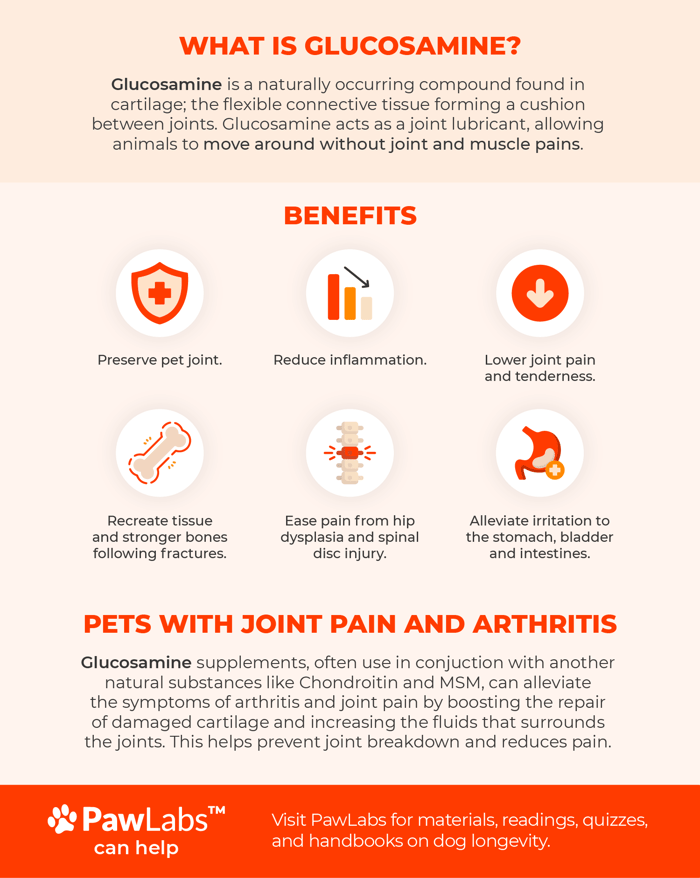
Credit: pawlabs.co
Frequently Asked Questions
What Are Common Side Effects Of Glucosamine?
Common side effects include nausea, heartburn, diarrhea, and constipation. These symptoms are usually mild and temporary. Most people tolerate glucosamine well without serious issues.
Can Glucosamine Cause Allergic Reactions?
Yes, glucosamine may cause allergic reactions, especially in shellfish-allergic individuals. Symptoms include rash, itching, or swelling. Consult a doctor before use if you have shellfish allergies.
Does Glucosamine Affect Blood Sugar Levels?
Glucosamine may slightly affect insulin resistance but does not significantly raise blood sugar. Diabetics should monitor blood sugar closely and consult their healthcare provider before use.
Is Glucosamine Safe For Long-term Use?
Glucosamine is generally safe for long-term use when taken as directed. However, consult your doctor for personalized advice, especially if you have existing health conditions.
Conclusion
Glucosamine can help with joint health but may cause side effects. Some people feel stomach pain, nausea, or headaches. Allergic reactions are rare but possible. It can interact with certain medicines. Always talk to a doctor before starting glucosamine. Watch your body closely for any changes.
Knowing the risks helps you make smart choices. Stay safe and informed for better joint care.


