

Have you ever taken a multivitamin and suddenly felt a sharp pain or discomfort in your stomach? You’re not alone.
Many people wonder, “Why does my stomach hurt after taking a multivitamin? ” It can be frustrating and confusing, especially when you’re trying to improve your health. Understanding what’s behind this common reaction can help you avoid the pain and still get the benefits you want.
Keep reading to discover the surprising reasons your multivitamin might be upsetting your stomach—and what you can do about it.
Common Causes Of Stomach Pain From Multivitamins
Many people take multivitamins for extra nutrients. Sometimes, these supplements cause stomach pain. Understanding why can help you avoid discomfort.
Stomach pain from multivitamins often comes from what is inside the pill. Some ingredients may irritate the stomach lining or cause other issues.
High Mineral Content
Multivitamins often have minerals like iron, calcium, and magnesium. These minerals can upset your stomach if taken on an empty stomach. Iron, in particular, may cause nausea or cramps.
- Iron can cause constipation or nausea.
- Calcium may lead to bloating or gas.
- Magnesium might cause diarrhea.
- High doses increase chances of stomach pain.
Presence Of Fillers And Binders
Fillers and binders hold the pill together. Some people are sensitive to these substances. They can cause stomach irritation or allergic reactions.
| Common Fillers | Possible Effects |
| Magnesium stearate | Digestive discomfort, bloating |
| Silicon dioxide | Rarely causes irritation |
| Starches | Gas, bloating in sensitive individuals |
Dosage And Frequency Issues
Taking too many multivitamins at once can overload your stomach. Large doses may cause irritation or upset. Not following the recommended schedule also raises risk of pain.
Tips to avoid stomach pain from dosage:
- Take multivitamins with food.
- Do not exceed the recommended dose.
- Split doses if needed throughout the day.
- Drink plenty of water.

Credit: www.hollandandbarrett.com
Sensitivity To Specific Ingredients
Some people feel stomach pain after taking multivitamins. This can happen because their body reacts to certain ingredients. Understanding these ingredients helps reduce discomfort.
Multivitamins contain many vitamins and minerals. Some ingredients can irritate the stomach or cause other problems in sensitive individuals.
Iron And Its Effects
Iron is common in multivitamins. It helps make red blood cells but can upset the stomach. Iron can cause nausea, cramps, or constipation.
Taking iron on an empty stomach makes symptoms worse. Some people are more sensitive to iron than others.
- Iron can cause stomach pain and nausea
- Taking it with food may help reduce discomfort
- High doses increase the chance of irritation
Calcium And Magnesium Concerns
Calcium and magnesium are important minerals in multivitamins. They support bones and muscles but may cause stomach upset. Some people feel bloated or have gas after taking them.
Large amounts of calcium or magnesium may irritate the digestive tract. People with sensitive stomachs should watch their intake.
- Calcium can cause constipation and bloating
- Magnesium may lead to diarrhea or cramps
- Balanced doses help prevent stomach pain
Potential Allergens
Multivitamins may contain allergens like soy, gluten, or dairy. These can cause stomach pain or allergic reactions in sensitive people. Check labels to avoid triggers.
Other ingredients like fillers and dyes can also cause irritation. People with allergies or sensitivities should choose simple formulas.
- Soy, gluten, and dairy may cause stomach issues
- Fillers and artificial dyes can irritate the stomach
- Read labels carefully to avoid allergens
Timing And Method Of Consumption
Many people feel stomach pain after taking multivitamins. The time and way you take vitamins can cause this discomfort. Understanding when and how to take them helps avoid stomach problems.
This guide explains how timing and food affect your stomach when you take multivitamins.
Taking Vitamins On An Empty Stomach
Taking multivitamins on an empty stomach can cause nausea or pain. Your stomach acid may irritate the lining without food. Vitamins like iron are especially harsh without food.
It is better to take multivitamins with some food. This helps protect your stomach and improve vitamin absorption.
Combining With Certain Foods
Some foods change how your body handles multivitamins. Fat helps absorb vitamins A, D, E, and K. Without fat, these vitamins may not work well.
Some foods can irritate your stomach when mixed with vitamins. Spicy or acidic foods may increase discomfort after taking vitamins.
- Eat a small meal with healthy fats before vitamins
- Avoid spicy or acidic foods near vitamin time
- Drink water to help swallow vitamins easily
Timing In Relation To Meals
Taking multivitamins right after a meal reduces stomach pain. Food slows digestion and lessens vitamin irritation. Waiting 30 minutes after eating can also help.
Some vitamins work best at certain times. For example, iron is better absorbed on an empty stomach but may cause pain. Calcium should be taken with food to avoid discomfort.
- Take most vitamins with or after meals
- Avoid taking iron supplements alone if stomach hurts
- Follow specific vitamin instructions for best results

Credit: www.news18.com
Choosing The Right Multivitamin
Many people take multivitamins to stay healthy. Some feel stomach pain after taking them. Choosing the right multivitamin can help reduce this problem.
Understanding what to look for in a multivitamin is important. This guide will cover key points to help you select one that suits you.
Opting For Low-dose Options
High doses of vitamins can cause stomach upset. Low-dose multivitamins reduce this risk. They deliver nutrients gently and safely.
- Low-dose vitamins are easier on the stomach.
- They lower the chance of nausea and cramps.
- They still provide essential nutrients for daily health.
Checking For Additives And Preservatives
Some multivitamins contain additives that irritate the stomach. It is best to avoid artificial colors, flavors, and preservatives.
| Additive | Possible Effect |
| Artificial colors | May cause stomach pain |
| Preservatives | Can irritate digestion |
| Fillers | Sometimes cause discomfort |
Seeking Professional Guidance
Doctors and pharmacists can help you pick the right multivitamin. They know your health needs and can suggest safe options.
- Talk to your healthcare provider before starting any supplement.
- Share your stomach issues to get tailored advice.
- Follow the recommended dose and timing for best results.
Alternatives To Traditional Multivitamins
Some people feel stomach pain after taking multivitamins. This can happen for many reasons. Instead of stopping vitamins, try other options that may suit your body better.
Below are some alternatives to traditional multivitamins. These choices can help you get the nutrients you need without upsetting your stomach.
Whole Food Supplements
Whole food supplements come from real fruits and vegetables. They contain natural vitamins and minerals in a gentle form. These supplements may be easier on your stomach than synthetic pills.
- Contain natural nutrients as found in foods
- Less likely to cause stomach irritation
- Include fiber and antioxidants
- Support overall digestion and health
Targeted Nutrient Supplements
Instead of taking a multivitamin with many ingredients, focus on the nutrients you need most. Taking single vitamins or minerals may reduce stomach issues.
| Nutrient | Common Sources | Benefits |
| Vitamin D | Sunlight, fish oil | Supports bones and immunity |
| Iron | Red meat, spinach | Helps carry oxygen in blood |
| Vitamin B12 | Meat, dairy | Supports nerve health |
| Magnesium | Nuts, seeds | Helps muscle and nerve function |
Dietary Adjustments
Changing your diet can help you get vitamins naturally. Eating a variety of healthy foods reduces the need for supplements. This may ease stomach discomfort linked to pills.
- Eat colorful fruits and vegetables every day
- Include whole grains and lean proteins
- Choose foods rich in vitamins and minerals
- Stay hydrated to help digestion
- Try small, frequent meals instead of large ones
Practical Tips For Reducing Discomfort
Taking multivitamins can sometimes cause stomach pain. This happens because your body needs time to adjust. You can try simple changes to feel better.
These tips will help you reduce discomfort and make vitamins easier to take.
Gradual Introduction Of Vitamins
Start with a smaller dose of vitamins before taking the full amount. This helps your stomach get used to the vitamins slowly.
- Begin with half the recommended dose for a few days.
- Increase to the full dose if no pain occurs.
- Take vitamins every day at the same time.
Monitoring Body’s Reaction
Watch how your body reacts after taking multivitamins. Keep a note of any pain or discomfort you feel. This helps you know which vitamins cause trouble.
| Symptom | Action |
| Stomach pain | Try taking vitamins with food |
| Nausea | Switch to a different brand or type |
| Heartburn | Take vitamins earlier in the day |
| No symptoms | Continue current routine |
Hydration And Meal Pairing
Drink plenty of water when taking multivitamins. Taking vitamins with a meal can lower stomach upset. Some vitamins need food to absorb better.
- Drink a full glass of water with your vitamins.
- Take vitamins after eating breakfast or lunch.
- Avoid taking vitamins on an empty stomach.
- Choose foods rich in fiber and protein with your vitamins.
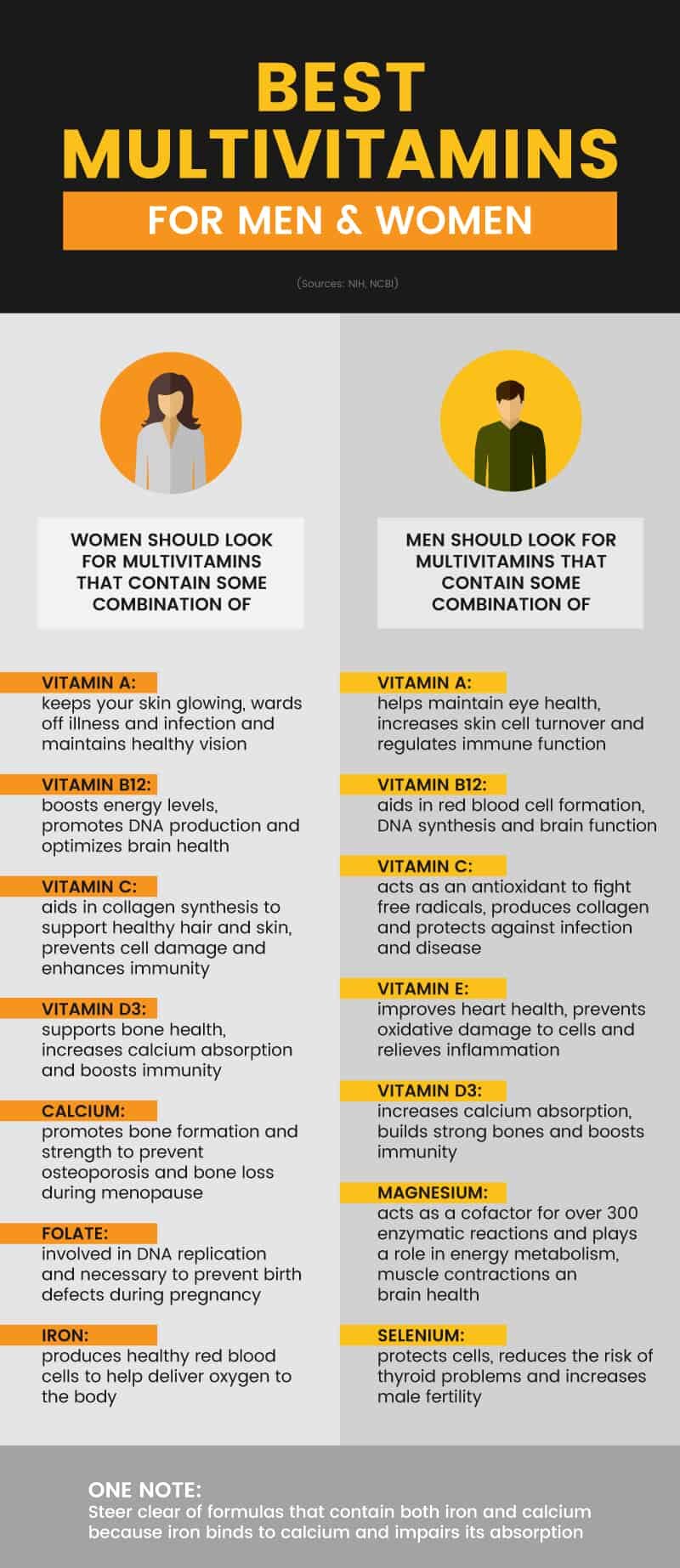
Credit: draxe.com
Frequently Asked Questions
Why Does My Stomach Hurt After Taking Multivitamins?
Multivitamins can irritate your stomach lining, especially on an empty stomach. Ingredients like iron or vitamin C may cause discomfort. Taking them with food often reduces this pain.
Can Multivitamins Cause Acid Reflux Or Indigestion?
Yes, some multivitamins can trigger acid reflux or indigestion. Minerals like iron and calcium may increase stomach acid. Taking multivitamins with meals can help prevent these issues.
How Can I Avoid Stomach Pain From Multivitamins?
To avoid pain, take multivitamins with a meal or snack. Choose formulations without iron if sensitive. Drinking plenty of water also helps reduce stomach irritation.
Are Certain Vitamins More Likely To Cause Stomach Pain?
Iron, vitamin C, and B vitamins can cause stomach upset. High doses or synthetic forms are more irritating. Opt for gentle or slow-release multivitamins to minimize discomfort.
Conclusion
Stomach pain from multivitamins is quite common. Many people feel discomfort due to strong ingredients or taking them on an empty stomach. Some vitamins, like iron, can irritate the stomach lining. Taking multivitamins with food often helps reduce pain. Drinking plenty of water also eases the symptoms.
If pain continues, changing the brand or type might help. Always check with a doctor if the pain is severe. Understanding why multivitamins cause stomach pain helps you take them safely and comfortably. Your health matters most.


