
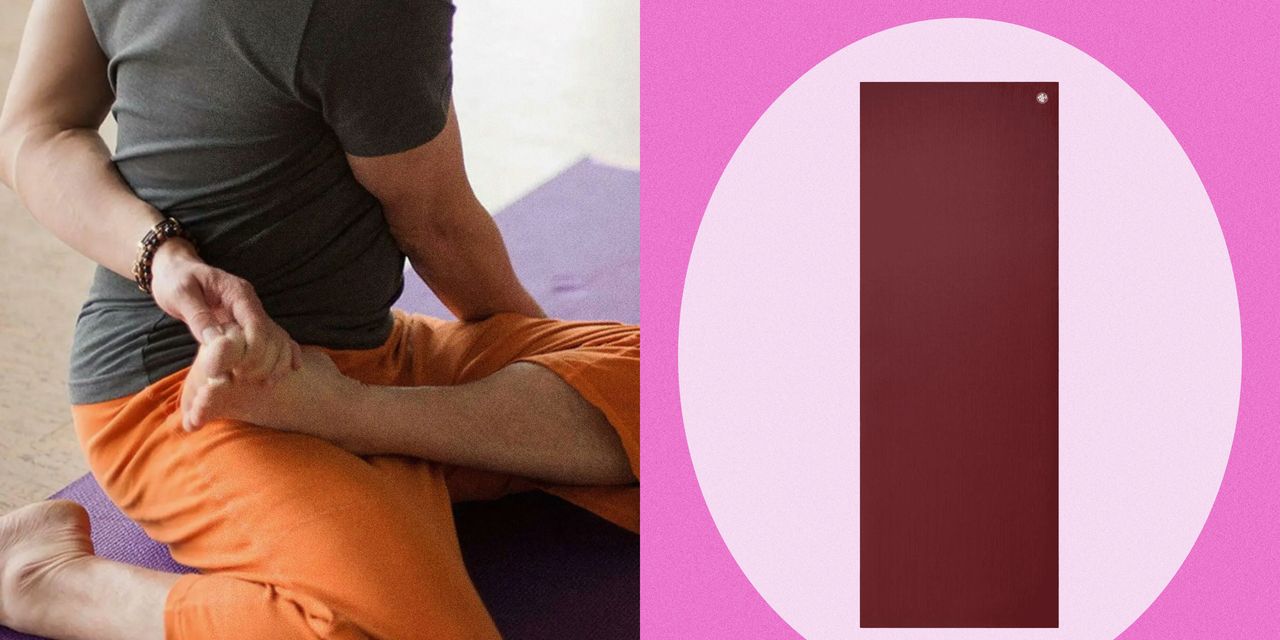
Are you ready to elevate your yoga practice, but unsure about the perfect mat thickness? Choosing the right yoga mat can make all the difference in your experience, comfort, and performance.
Imagine flowing through your poses with ease, feeling the perfect balance between stability and cushioning beneath you. It’s not just about a piece of material; it’s about creating a space where you can connect with your mind and body without distraction.
We’ll guide you through the essential factors that determine how thick your yoga mat should be, ensuring that each session leaves you feeling grounded and energized. Stay with us to discover the ideal mat that complements your unique practice.
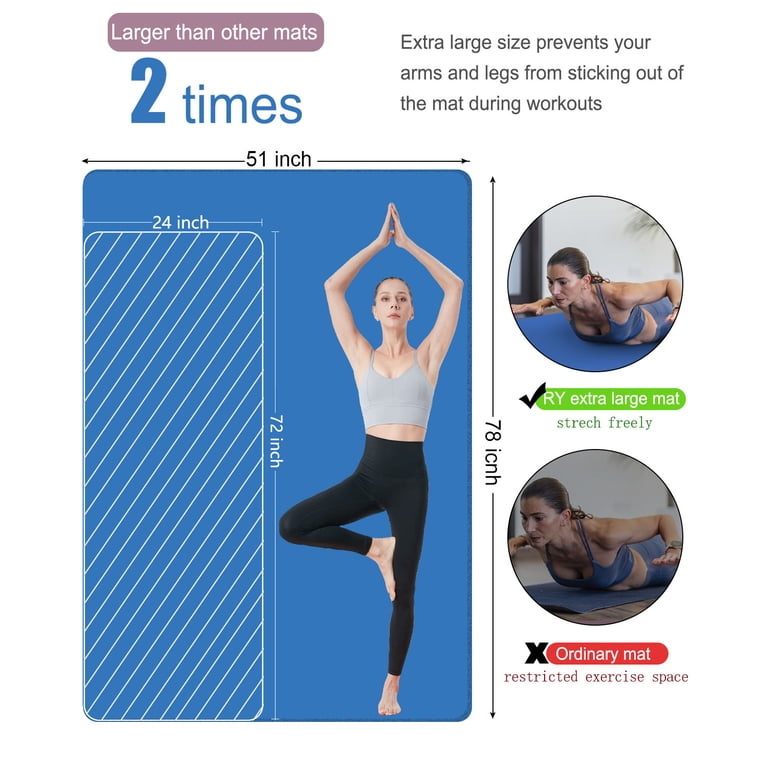
Credit: www.walmart.com
Choosing The Right Thickness
Picking the right thickness for your yoga mat helps you practice comfortably. It supports your body and protects your joints.
Yoga mats come in different thickness levels. Each thickness suits different needs and styles of yoga.
Standard Thickness Options
Most yoga mats range from 1/16 inch to 1/4 inch thick. The thickness affects comfort and stability.
Thin mats are usually around 1/16 inch. Medium mats are about 1/8 inch thick. Thick mats can be 1/4 inch or more.
- Thin mats: 1/16 inch (1.5 mm)
- Standard mats: 1/8 inch (3 mm)
- Thick mats: 1/4 inch (6 mm) or more
Benefits Of Thin Mats
Thin mats offer better balance and stability. They let you feel the floor beneath your feet.
They are light and easy to carry. Thin mats dry faster after cleaning.
- Improves balance and posture
- Lightweight and portable
- Dries quickly after use
Advantages Of Thick Mats
Thick mats provide extra cushioning. They protect your knees, elbows, and joints from hard floors.
They are good for restorative yoga and floor exercises. Thick mats can make long sessions more comfortable.
- Offers more joint protection
- Comfortable for long sessions
- Good for gentle and restorative yoga
Factors Influencing Mat Thickness
Choosing the right yoga mat thickness affects your practice comfort. Different needs call for different thickness levels.
This guide covers key factors that help you decide how thick your yoga mat should be.
Type Of Yoga Practice
Each yoga style requires different support and cushioning. Thicker mats suit gentle practices. Thinner mats offer better balance for intense exercises.
- Hatha Yoga:Moderate thickness for comfort and stability.
- Vinyasa or Power Yoga:Thin mats allow quick movements and better grip.
- Restorative Yoga:Thick mats provide extra cushioning for long holds.
- Hot Yoga:Thin, absorbent mats help with sweat and balance.
Body Weight And Comfort
Heavier individuals often need thicker mats for better shock absorption. Lighter practitioners may prefer thinner mats for stability.
| Body Weight | Recommended Mat Thickness |
| Under 130 lbs (59 kg) | 3-4 mm |
| 130-200 lbs (59-91 kg) | 4-6 mm |
| Over 200 lbs (91 kg) | 6-8 mm or more |
Floor Surface Considerations
Hard floors need thicker mats for cushioning. Soft surfaces allow thinner mats without discomfort.
Consider this quick guide for floor types and mat thickness:
- Hardwood or Tile: 5-8 mm for joint support
- Carpet: 3-5 mm to avoid instability
- Concrete: 6-10 mm for maximum padding
- Outdoor Grass or Sand: 3-6 mm for balance and comfort
Thickness For Specific Yoga Styles
Choosing the right yoga mat thickness matters for comfort and support. Different yoga styles need different mat thicknesses.
This guide explains the best thickness for popular yoga styles.
Hatha And Gentle Yoga
Hatha and gentle yoga involve slow and steady poses. A mat with medium thickness works well. It cushions your joints but keeps you stable.
About 4 to 6 millimeters thickness is good for these styles. It offers comfort without losing balance.
Power And Vinyasa Yoga
Power and Vinyasa yoga include fast and strong movements. You need a thinner mat for better grip and stability.
- Thickness between 3 and 4 millimeters
- Allows firm contact with the floor
- Helps keep balance during quick transitions
- Prevents slipping on sweaty hands and feet
Restorative And Yin Yoga
Restorative and Yin yoga focus on long holds and deep stretches. Extra cushioning helps support your body.
| Thickness | Benefit |
| 6 to 8 millimeters | Soft padding for joints and bones |
| 8 millimeters or more | Extra comfort for long poses |
Material Impact On Comfort
The thickness of your yoga mat affects comfort during practice. The material of the mat also changes how it feels.
Different materials offer various levels of cushion and support. Choosing the right one helps prevent pain and injuries.
Foam Mats
Foam mats are lightweight and soft. They provide good cushioning for joints during yoga poses.
Thicker foam mats give more padding but can be less stable. Thin foam mats offer better balance but less comfort.
- Good for beginners and gentle yoga
- Easy to carry and store
- May compress over time
Rubber Mats
Rubber mats are firm and provide strong support. They have a natural grip that prevents slipping during poses.
These mats are usually thinner but still offer enough cushioning. The firmness helps with balance and stability.
- Durable and long-lasting
- Good for hot yoga and sweaty practices
- Heavier than foam mats
Eco-friendly Options
Eco-friendly mats use natural or recycled materials. They combine comfort with environmental care.
These mats vary in thickness and feel. They often offer balanced cushioning and grip without harmful chemicals.
- Made from natural rubber, jute, or cork
- Biodegradable and non-toxic
- May cost more but last longer
Portability And Thickness Balance
Choosing the right yoga mat thickness affects both comfort and ease of carrying. Thicker mats feel soft but can be heavy. Thin mats travel well but may not protect your joints enough.
Finding a balance between thickness and portability helps you enjoy yoga anywhere. This guide looks at travel-friendly mats, storage, and weight.
Travel-friendly Mats
Travel-friendly yoga mats are usually thinner than regular mats. They fold or roll up small to fit in bags. This makes them easy to carry on trips.
These mats often have a thickness between 1mm and 3mm. They provide enough cushioning without adding bulk. Thin mats dry faster after use outdoors.
- Thickness: 1mm to 3mm for easy folding
- Lightweight materials reduce load
- Compact size fits backpacks and carry-ons
Storage And Weight
Thick mats can be heavy and hard to store. They take up more space in closets or bags. Thin mats are lighter and easier to keep tidy.
Consider where you will keep your mat. If you have little space, a thinner mat might work best. Weight matters if you carry your mat daily to classes.
- Thicker mats weigh more and need larger storage
- Thinner mats save space and reduce carrying effort
- Balance thickness with your storage and weight needs

Credit: asivanayoga.com
Maintenance And Durability
The thickness of your yoga mat affects how long it lasts and how easy it is to keep clean. Thicker mats often handle wear better but need more care. Thin mats can wear out faster but are easier to maintain.
Taking good care of your mat helps it stay strong and last longer. This section explains how to clean your mat and what to expect as it wears down.
Cleaning Tips
Cleaning your yoga mat keeps it fresh and free from germs. Use gentle cleaning methods to avoid damage, especially for thicker mats.
Wipe your mat after each use with a cloth and mild soap or a yoga mat cleaner. Avoid harsh chemicals that can break down the material.
- Use a damp cloth and mild soap
- Air dry your mat fully before rolling it up
- Clean regularly to prevent sweat buildup
- Do not machine wash unless label says it is safe
- Store in a cool, dry place away from sunlight
Wear And Tear Expectations
Thicker mats usually last longer and resist tears better. Thin mats may show wear in high-use spots faster, like the edges and center.
Look for cracks, peeling, or flattening areas on your mat. These signs mean it may be time to replace it to keep your practice safe.
- Thicker mats (6mm or more) last 3-5 years with care
- Thinner mats (2-4mm) may last 1-2 years
- Heavy use causes faster wear
- Keep mat away from rough surfaces to prevent damage
- Regular cleaning helps maintain material strength
Personal Comfort Tips
Choosing the right yoga mat thickness is important for your comfort during practice. Everyone feels comfortable with different thickness levels. Knowing how to test before buying and use extra padding can help you find the best fit.
Comfort depends on your body needs, the type of yoga, and the surface where you practice. Here are some tips to guide you.
Testing Before Buying
Try these simple tests to check if a yoga mat thickness suits you:
- Press your knees and elbows on the mat to see if it feels soft enough.
- Do a few standing poses to check balance and stability.
- Try seated poses to feel the cushion under your sit bones.
- Roll or fold the mat to test portability and bulk.
These tests help you decide if the mat supports your joints and moves with you comfortably.
Using Additional Padding
If your yoga mat feels too thin or hard, adding padding can improve comfort. Extra cushions protect sensitive areas and reduce pressure.
| Type of Padding | Use Case |
| Folded Blanket | Extra cushion under knees and hips |
| Yoga Towel | Added grip and softness |
| Foam Pad | Thicker base for joint support |
| Inflatable Cushion | Adjustable height and firmness |
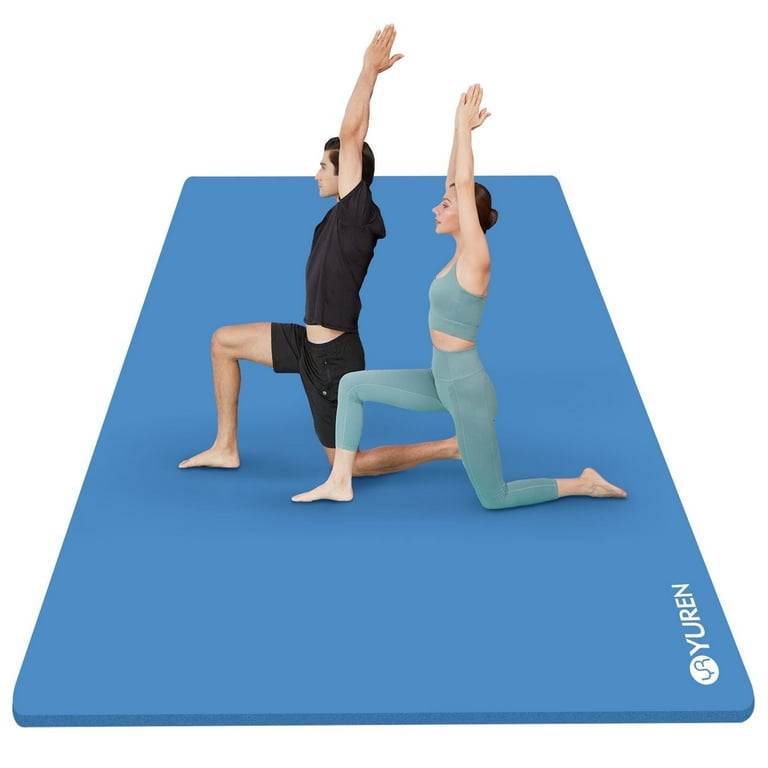
Credit: www.walmart.com
Frequently Asked Questions
How Thick Should A Yoga Mat Be For Beginners?
A yoga mat thickness of 5mm to 6mm is ideal for beginners. It offers enough cushioning for joints and stability during poses. Thicker mats provide comfort without sacrificing balance, making it easier to practice safely.
Does Yoga Mat Thickness Affect Balance And Stability?
Yes, thicker mats can reduce stability during standing poses. Thinner mats (around 3mm) enhance balance and connection to the floor. Choose thickness based on your practice style and comfort needs.
What Thickness Is Best For Yoga On Hard Floors?
For hard floors, a mat thickness of 6mm to 8mm cushions joints well. It prevents discomfort during seated or kneeling poses. Thicker mats absorb impact and protect your body effectively.
Can A Thick Yoga Mat Improve Joint Protection?
Absolutely, thicker mats (6mm or more) provide better joint cushioning. They reduce pressure on knees, wrists, and elbows during practice. This protection is crucial for those with sensitive joints or injuries.
Conclusion
Choosing the right yoga mat thickness matters for comfort and support. Thicker mats offer more cushion but less stability. Thinner mats provide better balance but less padding. Think about your practice style and body needs. A good mat helps prevent pain and injuries.
Test different thicknesses to find what feels best. Your yoga mat should make each session safe and pleasant. Comfort and function go hand in hand. Take time to pick the mat that suits you well.


