

Are you looking to sculpt a strong, impressive chest without the need for bulky gym equipment? You’re in the right place!
Dumbbells are incredibly versatile and can be your best friend when it comes to building a powerful chest. Whether you’re a fitness newbie or a seasoned gym-goer, mastering chest workouts with dumbbells can transform your fitness routine. Imagine achieving your fitness goals right from the comfort of your home or at your local gym.
This guide will walk you through effective exercises that not only target your chest muscles but also enhance your overall upper body strength. Ready to take your chest workouts to the next level? Let’s dive in and discover how you can achieve the results you’ve always wanted.
Benefits Of Dumbbell Chest Workouts
Dumbbell chest workouts help build strong and balanced muscles. They offer more control than machines or barbells. Using dumbbells allows you to work muscles in a natural way.
These exercises improve strength and shape in the chest area. They also reduce the risk of injury by promoting better muscle function.
Improved Muscle Activation
Dumbbells require more effort from your muscles. You must stabilize the weights, which activates more muscle fibers. This leads to better muscle growth and strength.
- Engages smaller stabilizer muscles
- Promotes muscle growth evenly
- Increases workout intensity
Greater Range Of Motion
Dumbbells allow your arms to move freely. This increases the range of motion compared to barbells or machines. A larger range helps stretch and contract muscles better.
| Exercise Type | Range of Motion |
| Barbell Bench Press | Limited |
| Dumbbell Chest Press | Wide |
| Machine Chest Press | Fixed |
Enhanced Muscle Symmetry
Using dumbbells trains both sides of the chest equally. This prevents one side from becoming stronger than the other. Balanced muscle strength reduces injury risk and improves posture.
- Corrects muscle imbalances
- Improves coordination between muscles
- Supports even muscle growth
Essential Dumbbell Chest Exercises
Working out your chest with dumbbells helps build strength and muscle evenly. Dumbbells allow a full range of motion and target different chest areas.
Here are four essential dumbbell exercises to include in your chest workout for better results.
Flat Dumbbell Press
Lie flat on a bench with a dumbbell in each hand. Press the weights up and bring them down slowly. This exercise works the middle chest muscles well.
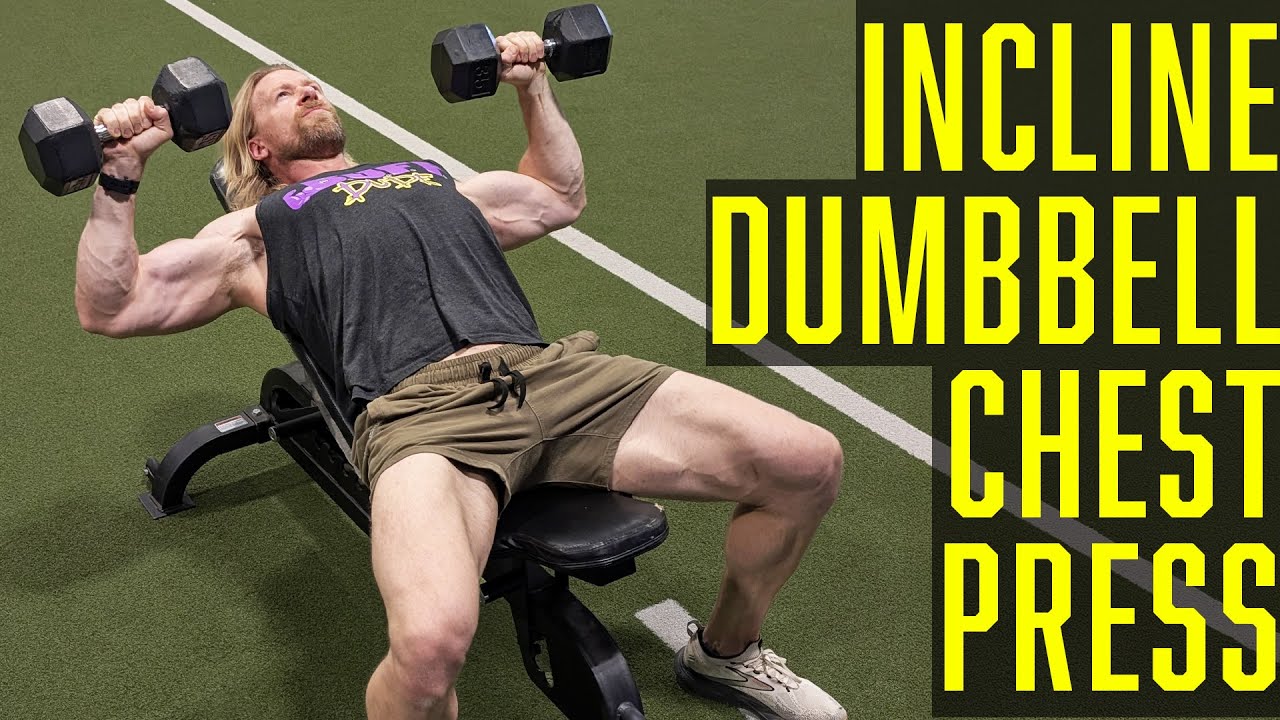
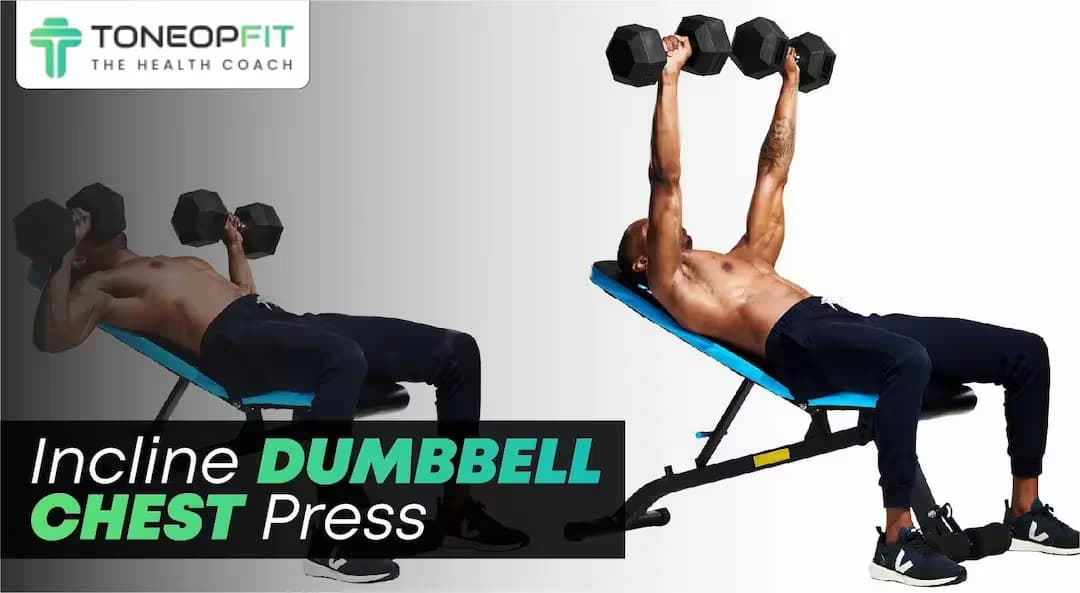
Incline Dumbbell Press
Set the bench to a 30-45 degree angle. Press the dumbbells upward from your chest. This move targets the upper chest muscles to add definition.
Dumbbell Flyes
Lie on a flat or incline bench with dumbbells in hand. Open your arms wide and bring them back up like hugging a tree. This stretches and works the chest fibers deeply.
- Keep a slight bend in your elbows
- Lower the weights slowly to feel the stretch
- Control the motion to avoid shoulder strain
Pullover Variations
| Variation | Target Area | Key Tip |
|---|---|---|
| Classic Pullover | Chest and Lats | Keep arms slightly bent |
| Incline Pullover | Upper Chest | Use bench incline for angle |
| One-Arm Pullover | Chest Focus | Perform slowly for control |
Pullovers help expand your chest and improve breathing capacity. Try different variations to hit the muscles from many angles.
Proper Form And Technique
Working out your chest with dumbbells needs correct form. Good technique helps avoid injuries.
Focus on steady movements and control. This improves chest muscle growth and strength.
Setting Up The Bench
Use a flat or incline bench to target different chest areas. Make sure it is stable.
Lie back with your feet flat on the floor. Keep your back pressed against the bench.
Grip And Hand Positioning
Hold the dumbbells firmly but not too tight. Your palms should face forward or slightly inward.
Keep your wrists straight to avoid strain. Position your hands just wider than shoulder-width.
- Grip dumbbells with palms facing forward or slightly inward
- Keep wrists straight and aligned with forearms
- Hands just wider than shoulder-width apart
Controlling The Movement
Lower the dumbbells slowly to your chest. Avoid dropping them fast or bouncing.
Push the weights up smoothly until your arms are almost straight. Do not lock your elbows.
- Lower dumbbells slowly to chest
- Push up with steady force
- Keep elbows slightly bent at the top
Breathing Tips
Inhale as you lower the dumbbells to your chest. This helps control the movement.
Exhale when you push the dumbbells up. This gives power to your lift.
- Inhale on the way down
- Exhale while pushing up
- Keep breathing steady and controlled

Credit: www.youtube.com
Designing Your Chest Workout Routine
Building a strong chest with dumbbells needs a clear plan. You must decide how many sets and reps to do. Also, balance your workout volume and intensity. Rest time between sets is important too.
This guide will help you design your chest workout routine effectively. Focus on key factors to get the best results from dumbbell exercises.
Choosing Sets And Reps
Selecting the right sets and reps affects your muscle growth and strength. For chest workouts, you can change these numbers based on your goals.
- For muscle endurance: 3-4 sets of 12-15 reps
- For muscle growth: 4-5 sets of 8-12 reps
- For strength: 4-6 sets of 4-6 reps
Balancing Volume And Intensity
Volume means total work done, and intensity means how hard you work. Both should be balanced to avoid injury and get good results.
| Goal | Weekly Volume (sets) | Intensity (weight % of 1RM) |
| Endurance | 9-12 | 50-65% |
| Hypertrophy | 12-20 | 65-80% |
| Strength | 12-24 | 80-95% |
Rest Periods Between Sets
Rest time affects recovery and performance. Choose rest periods based on your training goal.
- Endurance training: 30-60 seconds rest
- Muscle growth: 60-90 seconds rest
- Strength training: 2-3 minutes rest
Common Mistakes To Avoid
Working out your chest with dumbbells can be very effective. Many people make mistakes that limit their progress.
Avoiding these errors will help you get better results and reduce injury risks.
Using Excessive Weight
Using too heavy dumbbells is a common mistake. It often causes poor form and strain.
- Start with a weight you can control well.
- Focus on smooth, steady movements.
- Gradually increase weight over time.
- Stop if you feel sharp pain or discomfort.
Neglecting Full Range Of Motion
Not moving the dumbbells fully limits muscle use. It reduces workout effectiveness.
| Common Range of Motion Errors | Effect |
| Stopping halfway down | Less chest stretch |
| Not fully pressing up | Less muscle contraction |
| Short, quick reps | Lower muscle activation |
Poor Shoulder Stability
Weak shoulder stability can cause injury and poor exercise form.
Tips to improve shoulder stability:
- Engage your shoulder muscles during each rep.
- Keep your shoulder blades squeezed together.
- Avoid letting your shoulders rise toward your ears.
- Include shoulder strengthening exercises in your routine.
Credit: www.youtube.com
Tips For Maximizing Muscle Gain
Building chest muscles with dumbbells takes focus and good habits.
Use smart training and recovery methods to see steady progress.
Progressive Overload Strategies
Progressive overload means raising the challenge to your muscles over time.
- Increase dumbbell weight gradually.
- Add more reps or sets each week.
- Reduce rest time between sets.
- Try harder exercise variations as you improve.
Incorporating Tempo Training
Tempo training controls the speed of each lift phase to boost muscle tension.
| Phase | Action | Tempo (seconds) |
| 1 | Lower dumbbells slowly | 3 |
| 2 | Pause at bottom | 1 |
| 3 | Press dumbbells up quickly | 1 |
| 4 | Pause at top | 1 |
Nutrition And Recovery
Muscle grows when you eat right and let your body rest well.
- Eat protein-rich foods like chicken, eggs, and beans.
- Drink plenty of water every day.
- Get 7 to 9 hours of sleep each night.
- Take rest days to let muscles recover.
Sample Dumbbell Chest Workout Plan
Working out your chest with dumbbells helps build strength and muscle. You can do many exercises at home or the gym.
This plan shows exercises for beginners, intermediate, and advanced levels. Follow the level that fits your fitness.
Beginner Level
Start with light weights to learn proper form. Focus on slow and controlled movements.
Do 2 to 3 sets of 8 to 12 reps for each exercise. Rest 60 seconds between sets.
- Dumbbell Chest Press on Flat Bench
- Dumbbell Flyes on Flat Bench
- Push-ups (Bodyweight to warm up)
Intermediate Level
Use moderate weights to increase muscle challenge. Keep good form and control breathing.
Try 3 to 4 sets of 10 to 15 reps. Rest 45 to 60 seconds between sets.
- Incline Dumbbell Chest Press
- Dumbbell Flyes on Incline Bench
- Dumbbell Pullover
- Push-ups with Feet Elevated
Advanced Level
Use heavier weights to build strength and size. Focus on controlled and full range of motion.
Perform 4 to 5 sets of 8 to 12 reps. Rest 30 to 45 seconds between sets for endurance.
- Decline Dumbbell Chest Press
- Dumbbell Flyes on Decline Bench
- Dumbbell Floor Press
- Explosive Push-ups
Credit: toneopfit.com
Frequently Asked Questions
What Are The Best Dumbbell Exercises For Chest Muscles?
Effective dumbbell exercises for chest include dumbbell bench press, dumbbell flyes, and pullover. These target the pectoral muscles for growth and strength. Incorporate variations like incline and decline angles to work different chest areas effectively.
How Often Should I Workout Chest With Dumbbells?
For optimal results, train your chest with dumbbells 2-3 times weekly. Allow 48 hours of rest between sessions to promote muscle recovery. Consistent workouts combined with proper nutrition enhance muscle growth and strength.
Can Dumbbells Build A Bigger Chest Compared To Machines?
Yes, dumbbells engage stabilizer muscles more than machines. They offer a fuller range of motion and better muscle activation. This leads to balanced strength and size improvements in the chest area.
What Is The Correct Form For Dumbbell Chest Press?
Lie flat on a bench with feet planted firmly. Hold dumbbells at chest level, elbows bent at 90 degrees. Press weights upward until arms are extended, then slowly lower back. Maintain controlled movements to avoid injury.
Conclusion
Working out your chest with dumbbells builds strength and shape. You can do many exercises at home or the gym. Start with light weights and increase gradually. Focus on proper form to avoid injuries. Rest well between sets to help muscles grow.
Consistency matters more than heavy weights. Track your progress and stay motivated. Your chest muscles will become stronger over time. Keep exercising regularly for best results. Simple tools, steady effort—great results follow.


