

If you want to build a stronger, more defined back but don’t have access to a gym, dumbbells are your best friend. You might think working your back requires bulky machines or heavy barbells, but with the right moves, your dumbbells can deliver powerful results.
Imagine improving your posture, reducing back pain, and boosting your confidence—all from workouts you can do at home. Ready to discover simple, effective exercises that target every part of your back? Keep reading, and you’ll learn how to transform your routine and see real progress using just dumbbells.
Benefits Of Dumbbell Back Workouts
Using dumbbells to work your back helps build strong muscles. Dumbbells allow you to move naturally and freely.
This type of workout improves your posture and reduces the risk of injury. It is easy to do at home or in the gym.
Improved Muscle Balance
Dumbbells work each side of your back independently. This helps fix muscle imbalances between left and right sides.
Balanced muscles lower the chance of pain and injury. They also make your back look more even and strong.
Increased Range Of Motion
Dumbbells let you move your arms in many directions. This improves your shoulder and back flexibility.
A better range of motion helps you lift heavier weights safely. It also makes daily activities easier.
Enhanced Core Stability
Working your back with dumbbells also engages your core muscles. These muscles support your spine and balance.
A strong core improves your posture and reduces the risk of lower back pain. It also helps in other exercises.
Essential Dumbbell Exercises For Back
Using dumbbells can help build a strong and healthy back. These exercises target different muscles in your back for balanced strength.
Here are some simple dumbbell moves you can do at home or in the gym to improve your back muscles.
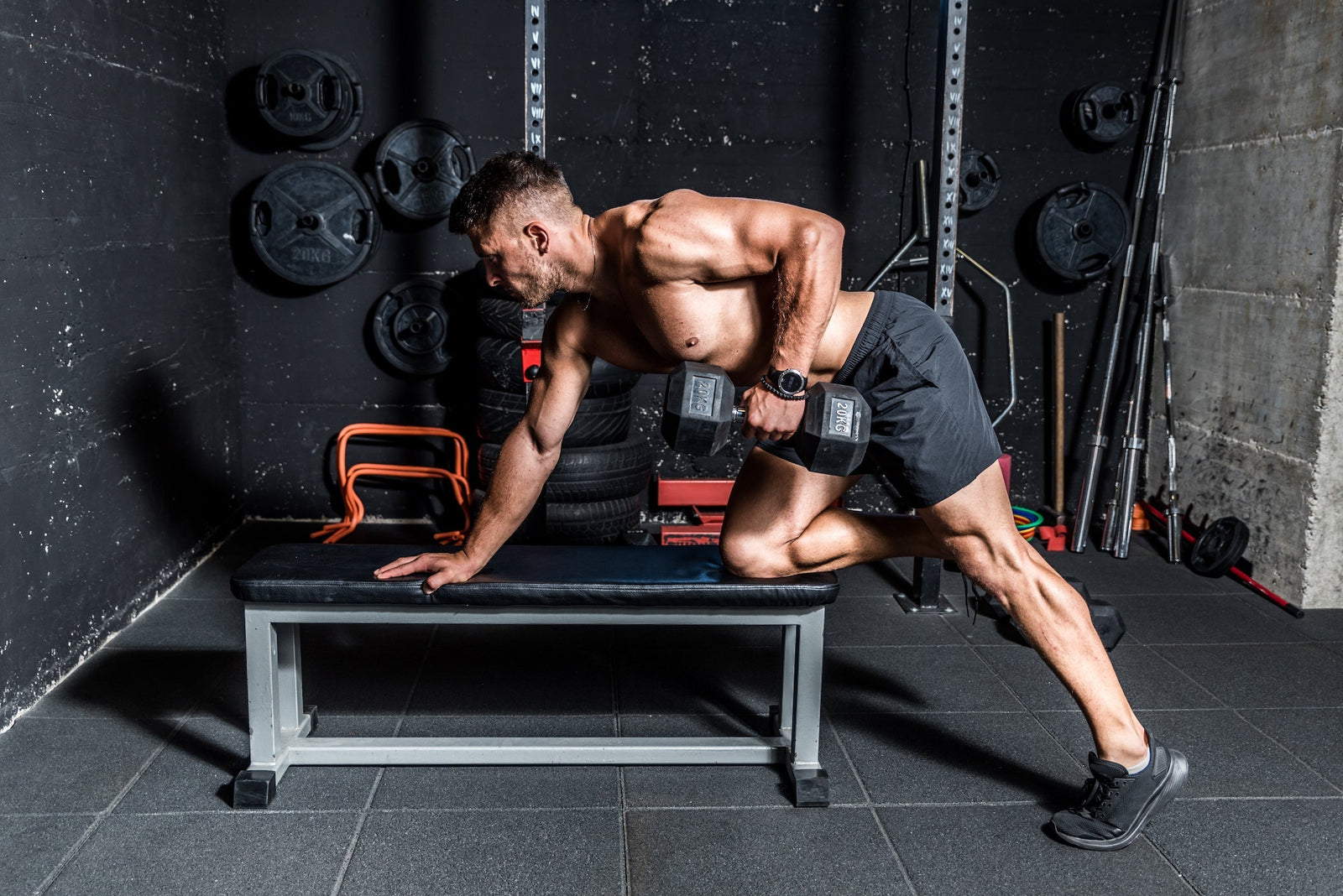
Single-arm Dumbbell Row
This exercise focuses on your upper back and helps improve posture. Keep your back straight and pull the dumbbell toward your waist.
Dumbbell Reverse Fly
The reverse fly works your rear shoulder and upper back muscles. It helps with shoulder stability and better muscle balance.
- Stand with feet shoulder-width apart
- Bend slightly at the hips
- Hold dumbbells with palms facing each other
- Lift arms out to the sides slowly
- Keep a slight bend in the elbows
Renegade Row
The renegade row combines a plank and a row to work your back and core. It also improves balance and strength.
| How to do it | Details |
| Start position | Plank with hands on dumbbells |
| Movement | Row one dumbbell up toward your ribs |
| Keep | Body straight and hips steady |
| Repeat | Alternate sides for each row |
Dumbbell Deadlift
The dumbbell deadlift targets the lower back, glutes, and hamstrings. Use a controlled motion to avoid injury.
Proper Form And Technique
Using dumbbells to work out your back helps build strength and improve posture. It is important to focus on proper form and technique. This reduces the risk of injury and gets better results.
Good form means controlling your body position and movements during each exercise. Pay attention to your spine, speed, and breathing to perform exercises safely and effectively.
Maintaining Neutral Spine
Keeping a neutral spine means your back stays straight and natural during exercises. Avoid rounding or arching your back. This protects your spine and muscles.
Stand or sit tall with your chest lifted and shoulders back. Engage your core muscles to support your lower back. This helps keep your spine aligned as you lift dumbbells.
- Keep your head in line with your spine
- Do not let your back round or arch
- Engage your abdominal muscles
- Maintain a slight bend in your knees if standing
Controlling Movement Speed
Move the dumbbells slowly and with control. Fast or jerky motions can cause injury and reduce workout quality. A steady pace helps your muscles work better.
Lift the weights over one to two seconds. Lower them down in two to three seconds. This controlled speed improves muscle engagement and balance.
- Lift dumbbells slowly, about 1-2 seconds
- Lower dumbbells slowly, about 2-3 seconds
- Pause briefly at the top and bottom of the movement
- Keep movements smooth and steady
Breathing Tips
Proper breathing supports your muscles and helps maintain focus. Exhale as you lift the dumbbells. Inhale as you lower them. This pattern keeps your body steady.
Do not hold your breath. Holding your breath can increase blood pressure and cause dizziness. Breathe naturally and deeply throughout the exercise.
- Exhale during the lifting phase
- Inhale during the lowering phase
- Keep breathing steady and regular
- Avoid holding your breath
Credit: swolverine.com
Creating An Effective Dumbbell Back Routine
Working out your back with dumbbells helps build strength and improve posture. You can do many exercises at home or the gym.
A good routine targets all parts of the back. It includes the upper, middle, and lower back muscles.
Exercise Selection
Choose exercises that work different back muscles. Mix pulling and rowing movements with dumbbells.
Some great dumbbell back exercises are bent-over rows, single-arm rows, and reverse flyes.
- Bent-over dumbbell rows target the middle back.
- Single-arm rows focus on each side separately.
- Reverse flyes work the upper back and shoulders.
- Dumbbell deadlifts strengthen the lower back.
Sets And Reps Guidelines
Do 3 to 4 sets for each exercise. This helps build strength and muscle size.
For reps, aim for 8 to 12 per set. Use a weight that feels challenging but lets you keep good form.
- 3-4 sets per exercise
- 8-12 repetitions per set
- Choose weights that challenge you without losing form
Rest Periods
Rest between sets lets your muscles recover. This helps you perform better on the next set.
Take 60 to 90 seconds of rest after each set. This rest time supports muscle growth and strength.
- Rest 60-90 seconds between sets
- Shorter rest improves endurance
- Longer rest helps lift heavier weights
Common Mistakes To Avoid
Working out your back with dumbbells can bring great results. It is important to do it right. Avoiding common mistakes helps prevent injury and improve gains.
Focus on proper form and preparation. Below are common errors to watch for during your back workout.
Using Too Much Weight
Choosing dumbbells that are too heavy is a common problem. It can cause poor form and increase injury risk. Start with a weight you can control well.
- Use weights that allow 8 to 12 clean reps.
- Focus on slow, controlled movements.
- Increase weight gradually over time.
- Stop if your form breaks or you feel pain.
Neglecting Warm-up
Skipping warm-up can cause muscle strains and reduce workout quality. Warm muscles respond better to exercise and reduce injury chances.
- Do 5 minutes of light cardio like walking or jumping jacks.
- Perform dynamic stretches for the arms, shoulders, and back.
- Use light dumbbells for a few reps before heavy sets.
Poor Posture
Bad posture reduces workout effect and can cause pain. Keep your back straight and core tight during exercises. Avoid rounding shoulders or arching your back.
| Common Posture Mistakes | Fix |
| Rounded shoulders | Pull shoulders back and down |
| Arching lower back | Engage core and keep spine neutral |
| Looking down or up | Keep neck aligned with spine |
Credit: www.youtube.com
Progressing Your Back Workouts
Improving your back workouts with dumbbells helps you gain strength. You can do this safely and effectively by following a few key steps.
Changing your workout routine keeps your muscles growing and prevents boredom. Here are three ways to progress your back training.
Increasing Weight Safely
Adding weight gradually helps avoid injury and builds muscle. Use dumbbells that feel challenging but allow good form.
- Start with a weight you can lift 10 to 12 times.
- Increase weight by small amounts, about 5% to 10%.
- Keep your back straight and move slowly.
- Rest well between sets to recover.
- Stop if you feel sharp pain or discomfort.
Adding Volume Or Frequency
Doing more sets or working your back more days can boost progress. Watch your body to avoid overtraining.
| Option | Details |
| Increase Sets | Add 1 to 2 sets per exercise each week |
| More Days | Train back 2 to 3 times per week |
| Rest Days | Allow at least 48 hours between sessions |
Incorporating Advanced Variations
Changing exercises keeps your back muscles challenged. Use different grips and angles with dumbbells.
- Try single-arm rows to work each side separately.
- Use a neutral grip to target different muscles.
- Add slow negatives to increase time under tension.
- Combine back moves with core exercises for strength.
Tips For Recovery And Injury Prevention
Working out your back with dumbbells helps build strength. Recovery and injury prevention keep you safe and improve results.
Use proper techniques and listen to your body to avoid pain. Rest and nutrition also support muscle repair.
Stretching Techniques
Stretching before and after your workout reduces muscle tightness. It improves flexibility and lowers injury risk.
- Perform shoulder rolls to loosen upper back muscles.
- Do cat-cow stretches to warm up your spine.
- Try chest openers to balance back muscle tension.
- Hold each stretch for at least 20 seconds.
- Avoid bouncing during stretches to prevent strains.
Rest And Nutrition
Your muscles need rest to recover and grow. Eat well to give your body the right fuel.
| Rest Tips | Nutrition Tips |
| Get 7 to 8 hours of sleep daily | Eat protein with every meal |
| Take at least one day off per week | Drink plenty of water |
| Use ice on sore areas if needed | Include fruits and vegetables |
Listening To Your Body
Pay attention to how your body feels during exercises. Stop if you feel sharp pain or unusual discomfort.
- Adjust weights if you feel strain.
- Rest longer if muscles feel very sore.
- See a doctor if pain lasts more than a few days.
- Focus on slow, controlled movements.
- Warm up before starting and cool down after.

Credit: www.soletreadmills.com
Frequently Asked Questions
What Are The Best Dumbbell Exercises For Back Muscles?
Effective dumbbell exercises for the back include bent-over rows, single-arm rows, reverse flyes, and deadlifts. These target the lats, rhomboids, traps, and lower back. Consistently performing these moves improves strength and muscle definition safely at home or the gym.
How Often Should I Workout My Back With Dumbbells?
For optimal results, train your back with dumbbells 2-3 times per week. Allow at least 48 hours of rest between sessions. This frequency supports muscle growth and recovery without overtraining or injury.
Can Dumbbell Workouts Replace Barbell Back Exercises?
Dumbbell workouts can effectively target back muscles and provide a full range of motion. While barbells allow heavier loads, dumbbells improve muscle balance and joint stability. Incorporate both for a well-rounded back training routine.
How Do I Maintain Proper Form During Dumbbell Back Workouts?
Keep your back straight, core engaged, and shoulders retracted during dumbbell exercises. Avoid jerky movements by lifting weights slowly and controlled. Proper form prevents injury and maximizes muscle activation.
Conclusion
Building a strong back with dumbbells is simple and effective. Choose the right weights for your fitness level. Focus on proper form to avoid injury. Consistency is key for seeing results. Mix up exercises to keep it interesting. Listen to your body and rest when needed.
A balanced workout routine strengthens your back over time. Stay motivated and track your progress regularly. Enjoy the benefits of a healthy and strong back. Remember, patience and dedication lead to success. Keep going, and your efforts will pay off.


