

Have you ever wondered how long it takes to repair your liver after damage? Your liver is one of the most important organs in your body, working nonstop to keep you healthy.
But when it’s hurt, you want answers fast. Understanding the healing process can help you make better choices and feel more in control of your health. You’ll discover how your liver repairs itself, what affects the healing time, and simple steps you can take to support recovery.
Keep reading to find out exactly what your liver needs to bounce back and how soon you can expect to feel better.
Liver Damage Causes
The liver is a strong organ that cleans blood and stores energy. Many things can hurt the liver and slow its repair.
Knowing what causes liver damage helps you protect it and support healing.
Alcohol-related Injury
Drinking too much alcohol can harm liver cells. The liver breaks down alcohol but gets damaged over time.
Long-term heavy drinking can cause swelling and scarring in the liver. This slows healing and may lead to serious disease.
Fatty Liver Disease
Fat builds up inside the liver in fatty liver disease. This can cause the liver to swell and stop working well.
This condition is common in people who are overweight or have diabetes. Fatty liver can lead to damage if not treated.
Viral Hepatitis
Viruses like hepatitis B and C infect the liver. They cause inflammation and damage to liver cells.
Chronic infection can cause long-term liver damage and make repair slower or incomplete.
Toxin Exposure
Some chemicals and drugs can hurt the liver. The liver filters toxins, but too much can cause damage.
Exposure to harmful substances like certain medicines, poisons, or chemicals can lead to liver injury and delay healing.
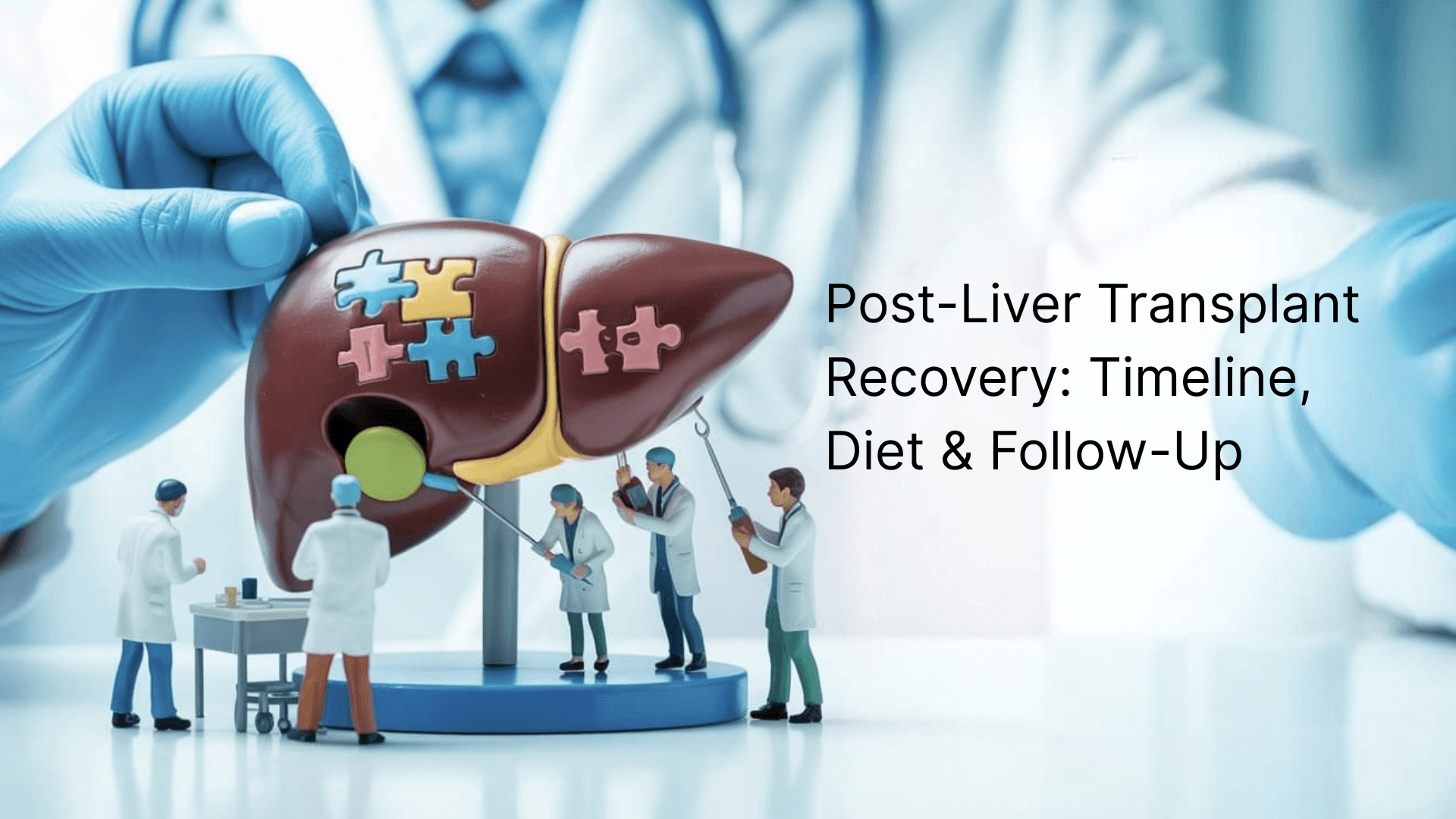
Credit: www.amritahospitals.org
Liver Regeneration Process
The liver is one of the few organs that can repair itself. It can grow back to its full size after injury or surgery. This process is called liver regeneration.
Liver regeneration involves many cells and signals working together. The liver replaces damaged or lost tissue with new cells.
Cellular Repair Mechanisms
The liver repairs itself through special cells called hepatocytes. These cells can divide and multiply quickly. They replace damaged liver tissue.
Other cells like Kupffer cells and stellate cells help by cleaning dead cells and making new tissue. Signals called growth factors tell cells to start repairing.
- Hepatocytes multiply to replace lost cells
- Kupffer cells remove dead cells and debris
- Stellate cells help rebuild liver structure
- Growth factors trigger cell division and repair
Factors Affecting Regeneration
How fast the liver heals depends on many things. Age, health, and the type of injury matter. A healthy liver repairs faster than a damaged one.
Other factors like alcohol use, infections, and diseases can slow the repair. Good nutrition and avoiding toxins help the liver heal well.
- Age affects cell growth speed
- Overall health impacts healing ability
- Alcohol and toxins slow regeneration
- Diseases like hepatitis can delay repair
- Good nutrition supports liver healing
Timeline Of Healing Stages
Liver healing happens in stages. At first, cells start to divide within hours. The liver grows new tissue over days and weeks.
Most liver repair happens in about 6 to 8 weeks. Small injuries heal faster. Larger damage may take longer to fully recover.
| Stage | Time Frame | What Happens |
|---|---|---|
| Early Response | Hours to 1 day | Cells receive repair signals and start dividing |
| Cell Proliferation | Days 1 to 7 | Hepatocytes multiply to replace lost tissue |
| Tissue Remodeling | Weeks 2 to 6 | New tissue forms and liver structure rebuilds |
| Full Recovery | 6 to 8 weeks | Liver reaches original size and function |
Recovery Timeframes
The liver is a strong organ that can heal itself. But the time it takes depends on the damage level.
This guide explains how long the liver recovery takes for mild, moderate, and severe damage.
Mild Damage Recovery
Mild liver damage often comes from short-term issues like a mild infection or fatty liver.
The liver can heal in a few weeks if the cause is removed and healthy habits start.
- Recovery time: 2 to 6 weeks
- Rest and good diet help healing
- Avoid alcohol and toxins
Moderate Damage Recovery
Moderate damage can come from longer illness or ongoing fatty liver disease.
This stage may need months for the liver to repair and for symptoms to lessen.
- Recovery time: 3 to 6 months
- Follow medical advice strictly
- Healthy diet and exercise help
- Regular check-ups are important
Severe Damage Recovery
Severe liver damage comes from long-term diseases like cirrhosis or hepatitis.
Recovery can take many months or may not fully happen without medical treatment.
- Recovery time: 6 months to years
- Medical treatment is critical
- Sometimes liver transplant is needed
- Strict lifestyle changes required
Diet And Lifestyle Impact
The liver can heal itself but the process takes time. Diet and lifestyle play a big role in how fast the liver recovers.
Eating healthy foods and avoiding harmful habits help the liver work better and repair damage faster.
Nutritional Support For Healing
A good diet supports liver healing. Foods rich in vitamins and antioxidants help reduce liver stress.
Eating more fruits, vegetables, and whole grains gives the liver the nutrients it needs to repair itself.
- Leafy greens like spinach and kale
- Fruits such as berries and oranges
- Whole grains like oats and brown rice
- Lean proteins such as chicken and fish
- Healthy fats from nuts and olive oil
Exercise And Liver Health
Regular exercise improves blood flow and helps the liver remove toxins. It also reduces fat in the liver.
Moderate activities like walking, swimming, or cycling help the liver stay healthy and heal faster.
- Exercise 30 minutes most days
- Choose activities you enjoy
- Stay consistent to see benefits
- Combine cardio and strength training
Avoiding Harmful Substances
Harmful substances slow liver healing. Avoid alcohol, tobacco, and drugs to protect your liver.
Limit exposure to chemicals and processed foods that can damage the liver and cause inflammation.
- No alcohol or very limited use
- Quit smoking and vaping
- Avoid recreational drugs
- Reduce intake of fried and processed foods
- Stay away from toxic chemicals
Medical Treatments And Support
Repairing the liver depends on the damage and treatment used. The liver can heal itself, but support is important.
Doctors use medicines and tests to help the liver recover. Some cases need surgery or a transplant.
Medications To Aid Repair
Doctors give medicines to lower liver damage and help healing. These drugs reduce inflammation and control symptoms.
Some common medicines include antiviral drugs, steroids, and supplements like vitamin E. These help the liver work better.
- Antiviral drugs fight infections like hepatitis
- Steroids reduce swelling in liver tissue
- Vitamin E supports liver cell repair
- Medications to control symptoms such as itching
Role Of Liver Transplant
A liver transplant replaces a badly damaged liver with a healthy one. This is needed when the liver cannot repair itself.
Doctors suggest transplants for severe liver failure or cirrhosis. It gives patients a chance to live longer and feel better.
- For end-stage liver disease
- When other treatments fail
- Requires careful patient evaluation
- Needs lifelong medical follow-up
Regular Monitoring And Tests
Doctors check liver health regularly during repair. Tests show how well the liver is healing or if damage is getting worse.
Blood tests, imaging scans, and sometimes biopsies help track liver function. These tests guide treatment changes if needed.
- Blood tests measure liver enzymes and function
- Ultrasound or CT scans show liver structure
- Biopsy checks the level of liver damage
- Regular visits help adjust medicines and care
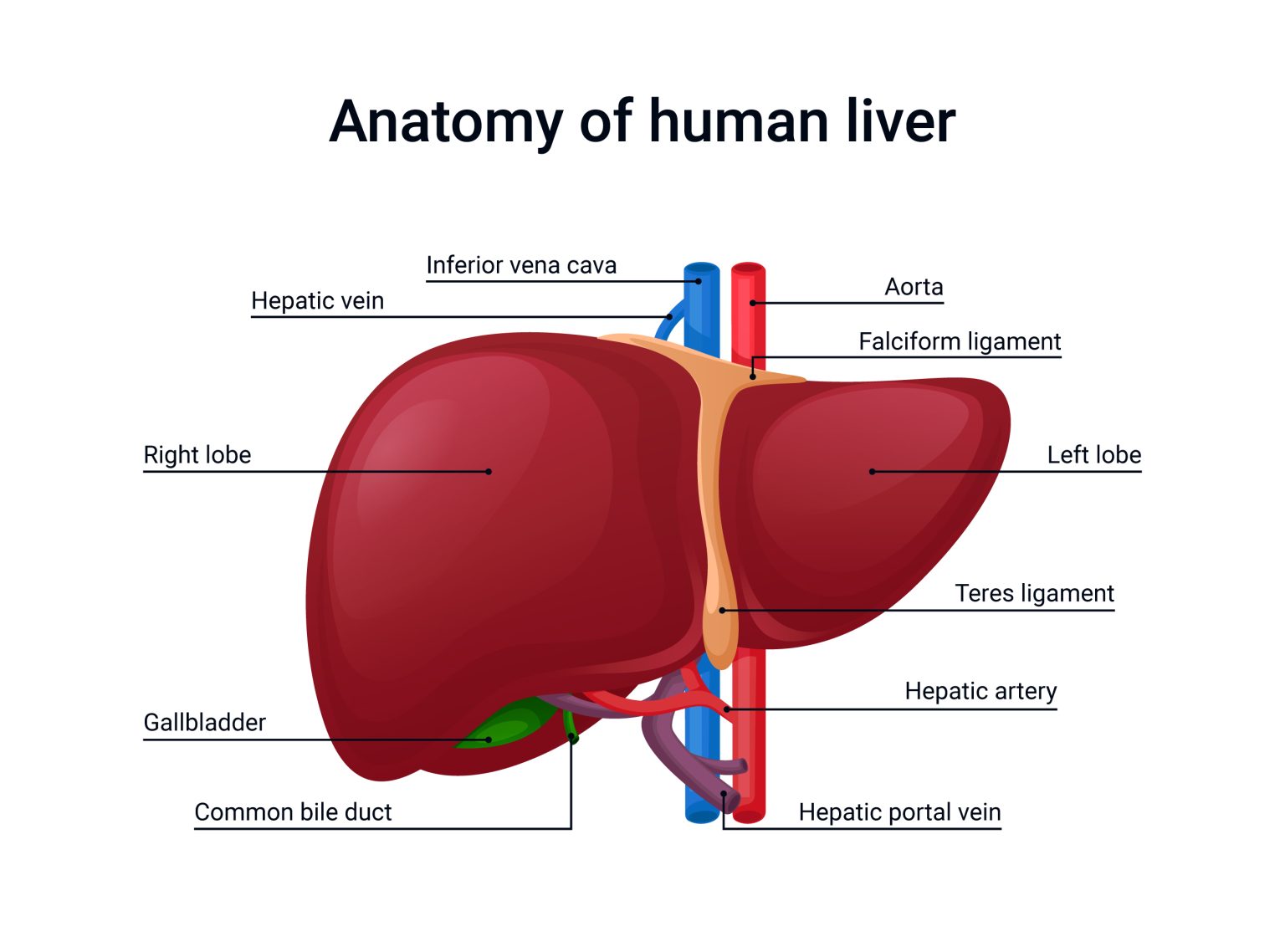
Credit: www.surgeon.co.nz
Preventing Future Liver Damage
Repairing the liver takes time and care. Protecting it from future harm is very important. Simple actions can keep your liver healthy.
Learning how to avoid liver damage helps your body heal faster. You can live a healthier life with good habits.
Vaccinations And Immunity
Vaccines protect your liver from infections like hepatitis. These infections can cause serious liver damage.
Make sure you get vaccines for hepatitis A and B. Staying immune helps your liver stay safe and strong.
- Hepatitis A vaccine prevents liver infection from contaminated food or water
- Hepatitis B vaccine stops spread through blood and body fluids
- Check with your doctor about other recommended vaccines
Safe Alcohol Consumption
Alcohol can hurt the liver if you drink too much. Drinking less helps your liver repair itself.
Follow safe limits and avoid binge drinking. This reduces stress on your liver and lowers damage risk.
- Limit alcohol to one drink per day for women
- Limit alcohol to two drinks per day for men
- Take breaks from alcohol to give your liver rest
Managing Chronic Conditions
Chronic diseases like diabetes and obesity affect your liver. Managing these conditions helps liver healing.
Follow your doctor’s advice. Eat healthy foods, exercise, and take medicines as prescribed.
- Keep blood sugar levels under control if you have diabetes
- Maintain a healthy weight to reduce liver fat
- Take medications exactly as your doctor says

Credit: www.tandfonline.com
Frequently Asked Questions
How Long Does Liver Repair Take?
The liver can start repairing itself within days of damage. However, full recovery often takes several weeks to months. The timeline depends on the extent of damage and lifestyle changes. Factors like diet, alcohol consumption, and overall health play a significant role in liver repair speed.
Can The Liver Heal Itself Completely?
Yes, the liver has a remarkable ability to regenerate. It can heal itself completely if damage isn’t severe. Making healthy lifestyle choices accelerates this process. Avoiding alcohol, eating a balanced diet, and exercising regularly support liver regeneration. However, chronic damage may require medical intervention for complete healing.
What Foods Help Liver Repair?
Certain foods aid liver repair by providing essential nutrients. Leafy greens, berries, nuts, and fatty fish are beneficial. These foods contain antioxidants and healthy fats. They reduce inflammation and support liver health. Including these foods in your diet can enhance liver repair and function.
Does Exercise Speed Up Liver Recovery?
Regular exercise can indeed speed up liver recovery. It improves blood circulation and reduces inflammation. Physical activity helps maintain a healthy weight. It also boosts overall health, which supports liver repair. However, consult a healthcare professional before starting any new exercise regimen.
Conclusion
Healing the liver takes time and care. The exact duration depends on the damage and your lifestyle. Eating healthy foods, avoiding alcohol, and resting help the liver repair itself. Small changes can make a big difference. Patience is key—your liver works hard to recover.
Keep following your doctor’s advice and stay positive. Remember, healing is a step-by-step process. Your liver has a strong ability to heal. Give it the support it needs, and progress will come.


