

Are you wondering which resistance type is best for your exercise bike: magnetic or friction? Choosing the right resistance can make a huge difference in how effective and enjoyable your workouts are.
You want smooth, quiet pedaling and just the right challenge to push your limits without frustration. But with so many options, it’s hard to know which one fits your needs best. Keep reading to discover how magnetic and friction resistance compare—and find out which one can help you reach your fitness goals faster and easier.
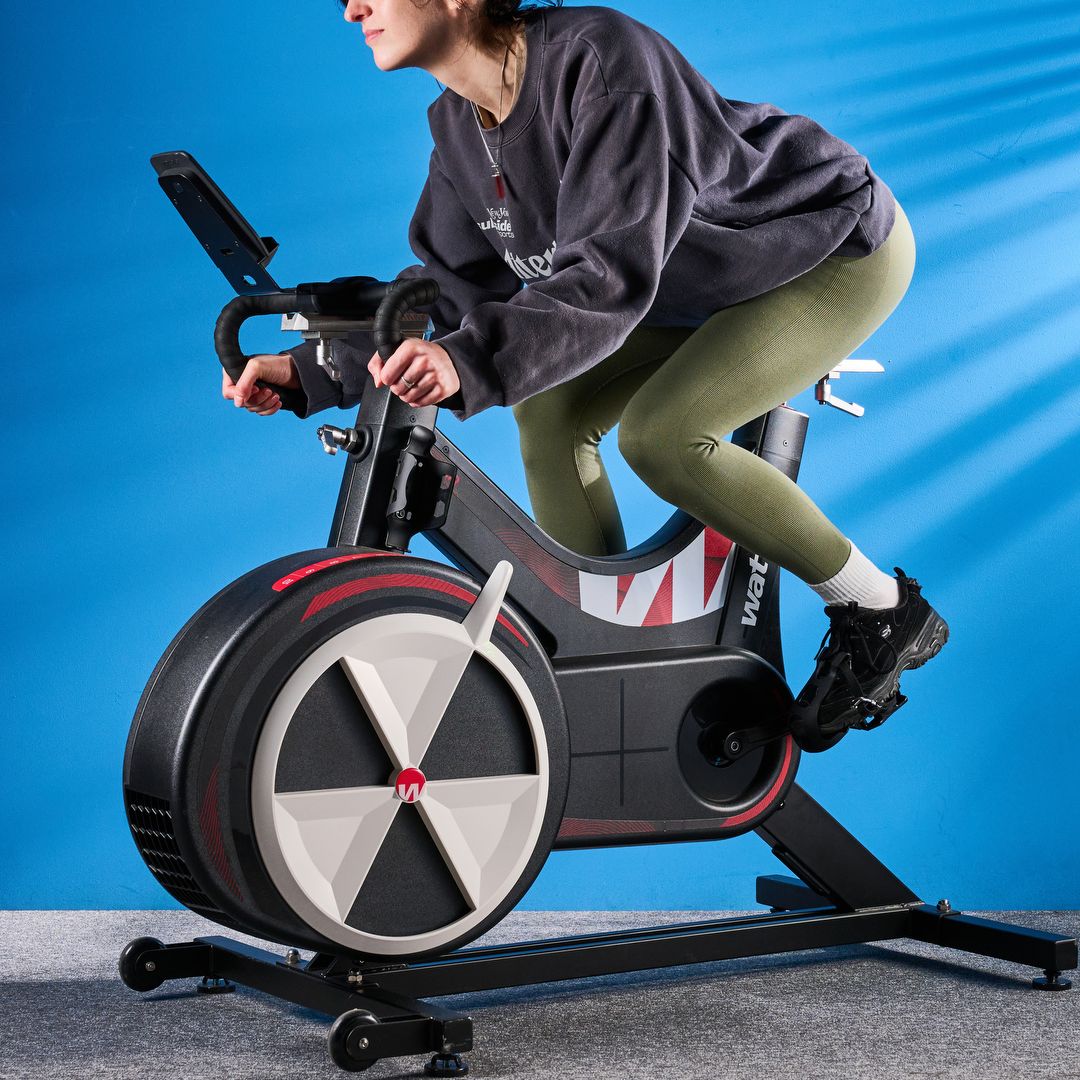
Credit: www.tomsguide.com
Magnetic Resistance Basics
Magnetic resistance is a common feature on many exercise bikes. It controls how hard it is to pedal by using magnets near the bike’s flywheel.
This type of resistance offers a smooth and quiet workout. It is different from friction resistance, which uses pads that press against the wheel.
How Magnetic Resistance Works
Magnetic resistance uses magnets that move closer or farther from the flywheel. The flywheel is a spinning disk that keeps the bike steady.
When the magnets get closer to the flywheel, they create a magnetic field that slows it down. This makes pedaling harder without touching the wheel.
- Magnets create resistance without contact
- Resistance changes by adjusting magnet distance
- Flywheel spins smoothly and quietly
Benefits Of Magnetic Resistance
Magnetic resistance offers many advantages for exercise bike users. It provides a quiet and smooth ride that feels natural.
The resistance levels can be changed easily and accurately. This lets users choose how hard they want to pedal for different workouts.
- Quiet operation with no friction noise
- Long-lasting because no parts wear down quickly
- Easy to adjust resistance levels
- Provides smooth and consistent pedaling
Common Drawbacks
Magnetic resistance systems can be more expensive than friction types. This may increase the cost of the exercise bike.
Some users feel that magnetic resistance does not provide as much challenge at the highest level. It may not feel as tough as friction resistance.
- Higher cost compared to friction resistance
- Resistance may feel less intense at maximum level
- Requires magnets and electronics, which may need repair

Credit: www.youtube.com
Friction Resistance Fundamentals
Exercise bikes use different resistance types to change workout difficulty. Friction resistance is one common method.
This system works by pressing a pad against the flywheel to create resistance. The harder the pad presses, the harder it is to pedal.
Mechanics Of Friction Resistance
Friction resistance works by rubbing a brake pad on the bike’s flywheel. The friction slows down the wheel’s spin.
The pad is usually made from felt or leather. You can adjust how much it presses on the wheel to change the resistance level.
Advantages Of Friction Resistance
Friction resistance is simple and easy to use. It lets you quickly change how hard you pedal.
- Costs less than magnetic resistance
- Works well for basic workouts
- Easy to repair or replace parts
- Provides smooth resistance feel
Potential Limitations
Friction resistance parts wear out over time. This can cause noise and less smooth pedaling.
It requires regular maintenance to keep working well. The resistance may not be as precise as other types.
- Brake pads need replacing
- Can create squeaky sounds
- Resistance may feel uneven
- Less durable than magnetic systems
Performance Comparison
Magnetic and friction resistance are common types on exercise bikes. Both affect how you feel while riding. Comparing their performance helps you choose the right bike.
This comparison looks at smoothness, noise, durability, maintenance, and resistance control.
Smoothness And Noise Levels
Magnetic resistance offers smooth pedal movement. It uses magnets to create resistance without touching the wheel. This leads to quiet operation and less friction.
Friction resistance works by pressing pads against the wheel. This can cause a rougher feel and more noise as the pads rub the wheel.
- Magnetic resistance is quieter during workouts
- Friction resistance may produce rubbing sounds
- Magnetic resistance feels smoother for steady pedaling
- Friction resistance can feel jerky at times
Durability And Maintenance
Magnetic systems have fewer parts that wear out. They need less frequent maintenance because no parts touch each other directly.
Friction resistance parts wear down over time. The pads and flywheel need regular checks and replacements to keep working well.
- Magnetic resistance requires less maintenance
- Friction resistance needs pad replacements often
- Magnetic parts last longer without damage
- Friction parts can wear quickly with heavy use
Resistance Range And Adjustability
Magnetic resistance allows precise control over how hard pedaling feels. It often has more levels to choose from, giving better workout options.
Friction resistance can be adjusted by tightening or loosening the pads. It may not offer as many steps or fine control as magnetic systems.
- Magnetic resistance offers wider range and smoother changes
- Friction resistance has fewer resistance levels
- Magnetic adjustments are easier and more precise
- Friction adjustments can feel sudden or uneven
Cost And Value Factors
Choosing between magnetic and friction resistance on an exercise bike affects the cost. Each type offers different value for the price paid.
Understanding the costs helps buyers pick the best bike for their budget and needs.
Initial Investment
Exercise bikes with magnetic resistance often cost more at first. The technology is newer and parts are more complex.
Friction resistance bikes usually have a lower starting price. They use simple pads to create resistance.
- Magnetic bikes have smooth and quiet rides but higher upfront costs
- Friction bikes are cheaper but can be noisier and less smooth
Long-term Costs
Magnetic resistance bikes need less maintenance over time. Magnets do not wear out quickly.
Friction resistance pads wear out and need replacing. This adds to the cost after some use.
- Magnetic bikes save money on repairs and part replacements
- Friction bikes require pad changes that can add cost
- Electric parts in magnetic bikes may need occasional checks
Resale And Longevity
Magnetic resistance bikes usually last longer. They keep value better when resold.
Friction bikes may lose value faster due to worn parts. Buyers may pay less for used friction bikes.
- Magnetic bikes have a longer life span
- Friction bikes wear out quicker, lowering resale price
- Well-maintained bikes of either type sell for more
User Experience And Preferences
Choosing the right resistance type on an exercise bike affects how users feel. Magnetic and friction resistance offer different experiences. Understanding these helps users pick what fits their needs.
User preference depends on workout goals, comfort, and feedback from others. This guide covers key points about magnetic and friction resistance.
Suitability For Different Workouts
Magnetic resistance works well for steady, low-impact workouts. It offers smooth changes in effort. Friction resistance suits high-intensity workouts with quick stops and starts.
Users who want quiet and steady rides often choose magnetic resistance. Those who like a stronger, more physical feel may prefer friction resistance.
- Magnetic resistance is quieter and smoother.
- Friction resistance can feel tougher and more direct.
- Magnetic is good for long sessions and endurance.
- Friction suits short bursts and heavy effort.
Comfort And Feel
Magnetic resistance creates a soft and smooth ride. It does not cause noise or jerking movements. This helps keep users comfortable during longer exercises.
Friction resistance can feel rougher because it uses pads pressing against the wheel. Some users like the strong, real bike feel. Others find it less comfortable for long rides.
- Magnetic resistance feels smooth and quiet.
- Friction resistance creates a more physical touch.
- Magnetic is better for comfort during long rides.
- Friction may need more maintenance for smoothness.
Feedback From Athletes And Trainers
Athletes often choose magnetic resistance for steady pacing and less noise. It helps them focus on endurance without distractions. Trainers like it for beginner and moderate users.
Some trainers recommend friction resistance for strength training. It gives clear feedback on effort and resistance changes. Athletes using friction bikes say it feels closer to outdoor cycling.
- Athletes find magnetic resistance good for long, steady workouts.
- Trainers suggest magnetic for beginners and rehab users.
- Friction resistance helps with strength and power training.
- Some athletes prefer friction for realistic bike feel.
Which Resistance Suits Your Needs?
Exercise bikes come with different types of resistance. Magnetic and friction resistance are two common kinds. Choosing the right one depends on your riding style and needs.
This guide helps you decide which resistance fits best. Think about your skill level, where you will use the bike, and other important factors.
Beginners Vs. Advanced Riders
Beginners need smooth and easy resistance to build stamina. Magnetic resistance offers quiet and steady control. It is simple to adjust and gentle on the bike parts.
Advanced riders want strong resistance for tough workouts. Friction resistance can give a harder feel but may wear out faster. Magnetic resistance also suits them if it has high levels.
- Beginners: Prefer magnetic for smooth, quiet rides
- Advanced: Choose friction for heavy resistance or magnetic with high levels
Home Use Vs. Commercial Gyms
Home users want quiet and low-maintenance bikes. Magnetic resistance fits well because it is silent and long-lasting. It keeps noise down for family members.
Gyms need bikes that handle many users daily. Friction resistance is cheaper but needs more upkeep. Magnetic bikes cost more but last longer and need less fixing.
- Home use: Magnetic for quiet and low care
- Gyms: Friction for cost savings, magnetic for durability
Space And Noise Considerations
Small spaces need compact and quiet bikes. Magnetic resistance produces less noise and fits in tight rooms. It does not create extra sound from parts rubbing.
Noisy bikes can disturb neighbors or family. Friction resistance can be louder because of pad contact. Magnetic is better if noise is a concern.
- Small spaces: Magnetic for compact and quiet use
- Noise sensitive areas: Magnetic reduces sound

Credit: www.youtube.com
Frequently Asked Questions
What Is Magnetic Resistance In Exercise Bikes?
Magnetic resistance uses magnets to create tension against the flywheel. This makes pedaling harder or easier. It provides a smooth, quiet ride. Magnetic resistance is low maintenance and offers precise control over workout intensity, making it a popular choice for home exercise bikes.
How Does Friction Resistance Work?
Friction resistance involves a brake pad applying pressure to the flywheel. This creates drag and increases pedaling difficulty. It offers a more traditional feel and is often less expensive. However, it may require more maintenance due to wear and tear on the brake pads.
Which Resistance Type Is Quieter?
Magnetic resistance is generally quieter than friction resistance. It operates without physical contact, reducing noise and wear. This makes it ideal for home use, especially in shared spaces. Friction resistance, with its direct contact mechanism, tends to produce more noise during workouts.
Is Magnetic Resistance Better For Beginners?
Yes, magnetic resistance is often recommended for beginners. It provides smoother transitions and easier adjustments. This allows for a more controlled workout experience. Its quiet operation and low maintenance make it a convenient choice for those new to cycling.
Conclusion
Choosing between magnetic and friction resistance depends on your workout needs. Magnetic resistance offers quiet and smooth rides. Friction resistance feels more natural and is usually cheaper. Both types help improve fitness and build strength. Consider noise levels, maintenance, and budget before deciding.
Each has benefits that suit different riders. Try both if possible to find what fits you best. Exercise bikes with the right resistance keep workouts effective and enjoyable. Your comfort and goals matter most in making the choice.


