
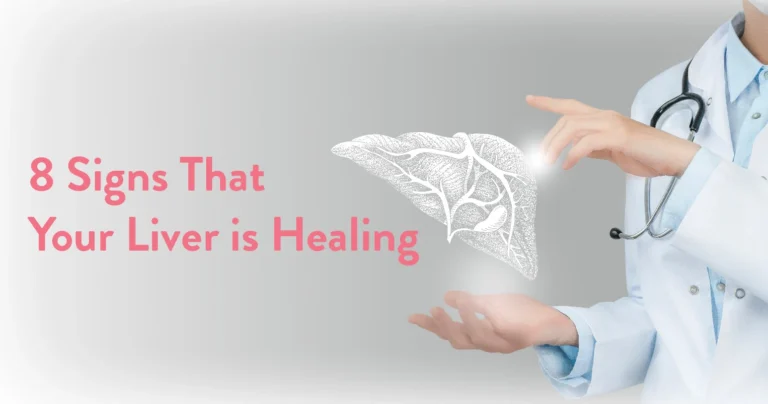
Your liver works hard every day, filtering toxins and keeping your body healthy. But how do you know if it’s actually healing after damage or stress?
You might wonder what signs to look for or how long the process takes. Understanding these clues can give you peace of mind and motivate you to keep caring for your liver. Keep reading to discover the clear, simple ways to tell if your liver is on the path to recovery—and what you can do to support it every step of the way.
Credit: www.ckbhospital.com
Liver Healing Basics
The liver is a vital organ that helps clean your blood and store energy. It can heal itself after damage.
Understanding how the liver works and repairs helps you know when it is healing well.
Role Of The Liver
The liver has many jobs. It filters toxins, makes proteins, and helps digest food.
The liver also stores vitamins and controls blood clotting. It keeps your body healthy.
Common Causes Of Liver Damage
Liver damage happens from many reasons. Drinking too much alcohol harms liver cells.
Other causes include infections, fatty liver disease, and some medicines. Damage stops the liver from working well.
- Excessive alcohol use
- Viral infections like hepatitis
- Fat buildup in liver (fatty liver)
- Certain medications and toxins
- Autoimmune diseases
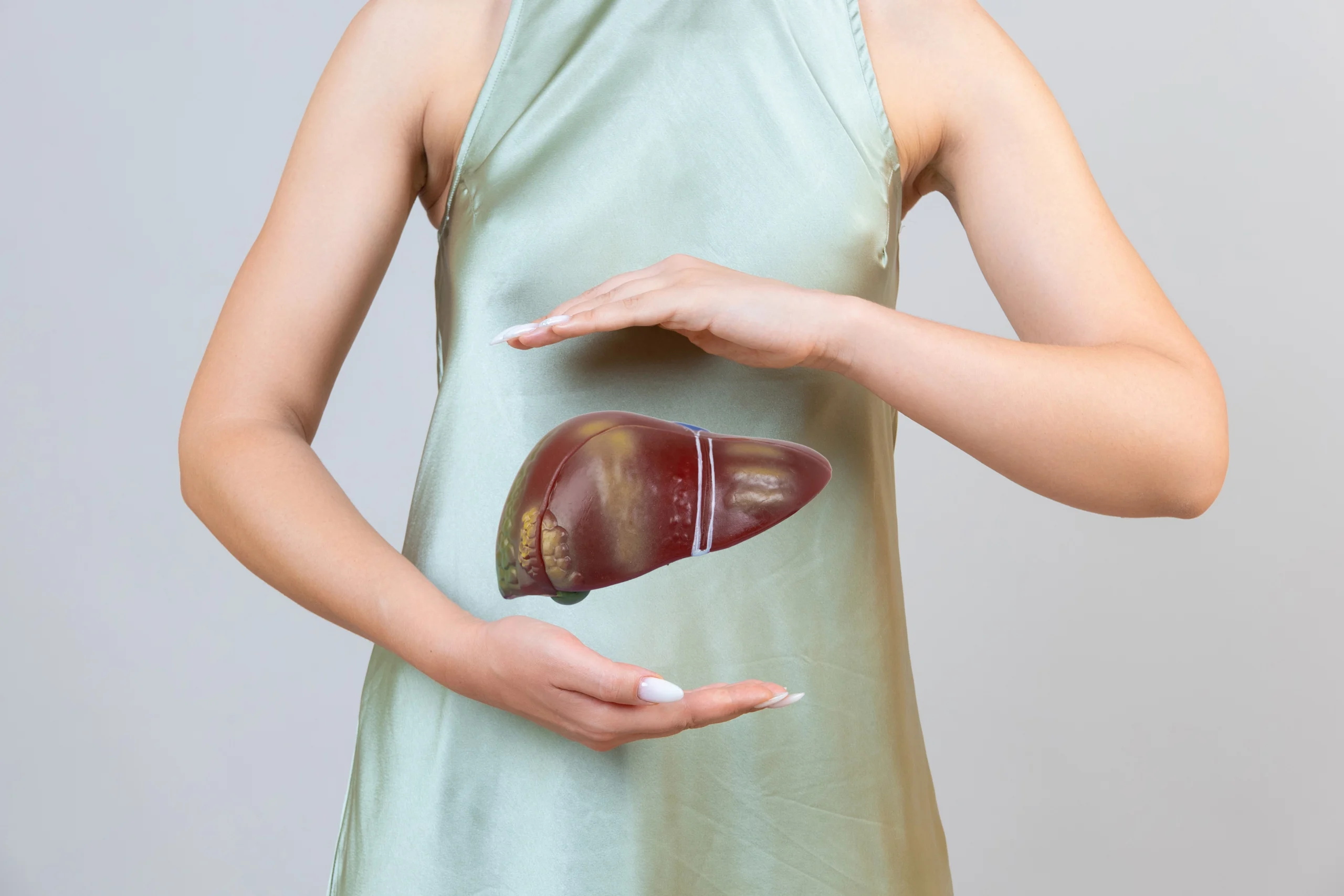
How The Liver Repairs Itself
The liver can grow new cells to replace damaged ones. This helps it heal after injury.
Healthy food, no alcohol, and rest support liver repair. The liver works hard to fix itself.
- Damaged cells die and new cells grow
- Fibrosis may happen if damage is severe
- Good lifestyle helps healing
- Regular check-ups track liver health
Credit: drmagnusjayaraj.com
Early Signs Of Liver Recovery
The liver is a strong organ that can heal itself. When it starts to recover, your body shows some early signs.
Knowing these signs helps you track your liver’s healing progress and stay motivated to keep healthy habits.
Improved Energy Levels
Your liver helps clean toxins from your blood. When it heals, your energy usually improves.
You may feel less tired and more active during the day. This boost in energy is a good sign your liver is healing.
- Wake up feeling more refreshed
- Less mid-day fatigue
- Better focus and alertness
Better Digestion
The liver produces bile, which helps break down fats. When your liver recovers, digestion improves.
You might notice fewer stomach issues like bloating or indigestion. Your body absorbs nutrients more easily too.
- Less bloating after meals
- Reduced indigestion and gas
- Improved appetite and nutrient absorption
Reduced Abdominal Discomfort
Liver problems can cause pain or swelling in the abdomen. Healing lowers this discomfort over time.
You may feel less pressure or pain in the upper right belly area. This means your liver is working better.
- Less pain or tenderness near the liver
- Reduced swelling or bloating
- More comfort during daily activities
Physical Changes To Notice
Your liver works hard to clean your body. When it starts healing, your body shows signs.
Look for these physical changes to know your liver is getting better.
Clearer Skin
The liver helps remove toxins that can harm your skin. As it heals, your skin may look brighter.
You might see fewer breakouts, less redness, and a smoother texture.
- Reduced acne and pimples
- Less skin inflammation
- More even skin tone
Diminished Swelling
A damaged liver can cause swelling in your legs and belly. Healing helps your body remove extra fluid.
You may notice less puffiness and a decrease in swelling over time.
- Lower leg swelling reduces
- Belly bloating decreases
- Overall body feels lighter
Weight Stabilization
Your liver controls how your body stores fat and sugar. When it heals, your weight becomes more stable.
You may stop gaining extra weight or start losing unhealthy fat naturally.
- Reduced sudden weight gain
- More balanced weight over weeks
- Healthier body fat levels
Laboratory Indicators Of Healing
Your liver has a strong ability to heal itself. Doctors use lab tests to check how well it is healing.
These tests measure substances in your blood. Changes in these numbers show liver health.
Liver Enzyme Levels
Liver enzymes like ALT and AST rise when the liver is damaged. Healing lowers these enzyme levels.
Normal enzyme levels mean less liver inflammation. This shows the liver cells are recovering.
- ALT (Alanine aminotransferase) decreases with healing
- AST (Aspartate aminotransferase) drops as liver improves
- ALP (Alkaline phosphatase) returns to normal range
Bilirubin Reduction
Bilirubin is a waste product cleared by the liver. High levels cause jaundice and signal liver stress.
As the liver heals, bilirubin levels fall. Lower bilirubin means the liver is better at cleaning blood.
- Total bilirubin level goes down
- Direct bilirubin also decreases
- Skin and eye yellowing fades as bilirubin lowers
Improved Blood Clotting
The liver makes proteins that help blood clot. Poor clotting means the liver is not working well.
Healing liver improves clotting factors. Blood tests show better clotting times and protein levels.
- INR (International Normalized Ratio) moves toward normal
- Prothrombin time shortens
- Blood clotting proteins increase
Lifestyle Factors Supporting Recovery
Your liver can heal itself over time. Certain lifestyle habits help this healing process.
Eating well, staying active, and avoiding harmful substances support liver health.
Balanced Nutrition
A healthy diet gives your liver the nutrients it needs to repair. Focus on whole foods.
Eat plenty of fruits, vegetables, and lean proteins. Avoid too much sugar and fat.
- Fresh fruits like berries and apples
- Vegetables such as spinach and broccoli
- Lean meats like chicken and fish
- Whole grains including oats and brown rice
- Limit processed foods and fried items
Regular Exercise
Exercise helps reduce liver fat and lowers inflammation. It boosts your overall health.
Aim for at least 30 minutes of moderate exercise most days. Walking and cycling work well.
- Improves blood flow to the liver
- Helps maintain a healthy weight
- Reduces liver fat and scarring
- Boosts your immune system
Avoiding Toxins
Toxins can harm liver cells and slow healing. Avoid alcohol and harmful chemicals.
Use natural cleaning products and avoid unnecessary medicines. Keep your environment clean.
- Stop drinking alcohol or limit it greatly
- Avoid exposure to pesticides and chemicals
- Be careful with over-the-counter drugs
- Choose natural, non-toxic household items

Credit: refinerecovery.com
When To Seek Medical Advice
Healing your liver takes time and care. It is important to watch for signs that need medical help.
Knowing when to see a doctor can prevent serious problems and support your recovery.
Persistent Symptoms
If symptoms like tiredness, nausea, or pain last for weeks, see a doctor. These signs may mean the liver is not healing well.
Do not ignore ongoing symptoms, even if they seem mild at first.
- Constant fatigue or weakness
- Ongoing stomach pain or discomfort
- Yellowing of skin or eyes (jaundice)
- Swelling in the legs or belly
Worsening Signs
If your symptoms get worse, seek medical help right away. This can include increased pain or new symptoms.
Worsening signs might signal liver damage or complications that need treatment.
- Sudden increase in belly pain or swelling
- Confusion or trouble thinking clearly
- Vomiting blood or black stools
- Severe weakness or fainting
Follow-up Testing
Your doctor may suggest tests to check liver healing. These tests help track your progress and spot problems early.
Tests might include blood work, imaging, or liver function tests.
- Blood tests to measure liver enzymes
- Ultrasound or CT scans to view the liver
- FibroScan to check liver stiffness
- Liver biopsy in some cases
Frequently Asked Questions
What Are Signs Of Liver Healing?
Signs of liver healing include improved energy levels and better digestion. A decrease in jaundice and abdominal pain is also common. Regular medical tests may show normal liver enzyme levels. It’s essential to maintain a healthy lifestyle for continued liver health.
How Long Does Liver Healing Take?
Liver healing time varies based on the damage extent and lifestyle changes. Generally, minor damage heals in weeks. Severe conditions may take months to years. Consistent healthy habits like a balanced diet and no alcohol can speed up recovery.
Can Lifestyle Changes Aid Liver Recovery?
Yes, lifestyle changes significantly aid liver recovery. Eating a balanced diet, avoiding alcohol, and regular exercise help. Staying hydrated and avoiding processed foods supports liver health. Regular medical check-ups ensure proper monitoring of liver function.
Is A Medical Test Necessary For Liver Healing?
Yes, medical tests are crucial for monitoring liver healing. Tests like liver function tests provide essential insights into liver health. Regular tests help track progress and detect any issues early. Consult with a healthcare professional for personalized advice.
Conclusion
Healing signs show in your body and daily habits. You may feel more energy and less pain. Clearer skin and better digestion can also be clues. Regular doctor check-ups help track real progress. Eating healthy and staying active support your liver’s recovery.
Patience matters; healing takes time and care. Notice small changes and keep good habits. Your liver can improve with the right steps. Stay mindful and listen to your body’s signals.


